
Benefits of Commercial Chain Link Fencing
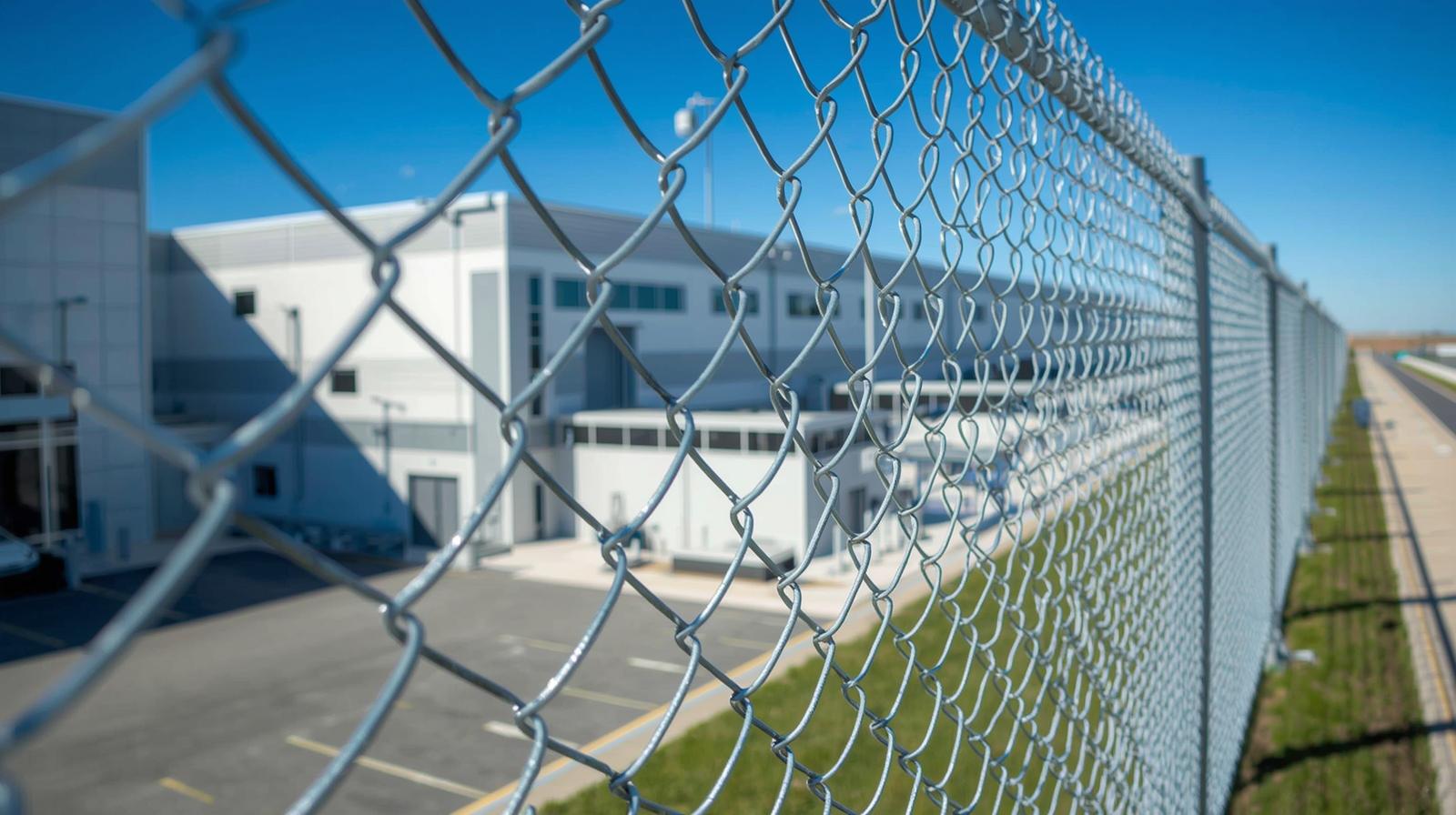
That leaning, sagging chain link fence you see every spring isn't a sign of age—it's a sign of a crucial installation mistake. For a business in Southern Wisconsin, a perimeter fence is a critical asset, but our freezing ground can push improperly set posts right out of the earth, turning a new fence into a sagging liability. A cheap installation often becomes your most expensive mistake, requiring costly repairs or a full replacement in just a few years.
This guide outlines the key differences that define a quality commercial chain link fence installation. By understanding what separates a durable asset from a future headache, you can confidently choose a professional solution that protects your property for decades.
Why Smart Businesses Choose Chain Link for Security and Value
When securing a large commercial property, cost is a major factor. Chain link fencing delivers an outstanding return on investment. Its lower cost per foot lets you protect a larger perimeter without straining your budget. This blend of affordability and durability is a top benefit of commercial chain link fencing for savvy business owners across Southern Wisconsin.
A chain link fence also offers a powerful security advantage: visibility. While a solid fence creates blind spots for intruders, chain link's open mesh keeps your entire property in view. This makes surveillance more effective and deters trespassing from the start, making it the best fence for business security in many commercial settings.
Finally, consider the long-term savings. A professionally installed chain link fence requires virtually no upkeep—no yearly painting, staining, or rot repair. It's a durable asset built to withstand Wisconsin weather for decades. However, this longevity hinges entirely on an installation that can handle our demanding local climate.
The #1 Reason Fences Fail in Wisconsin (And How to Prevent It)
Have you ever seen a perfectly straight fence leaning and heaving after just a few winters? The culprit is almost always a powerful force called frost heave. When the wet soil in Southern Wisconsin freezes, it expands upwards with enough pressure to lift cars, crack foundations, and easily push fence posts right out of the ground. This is the single biggest threat to your investment, but it's completely preventable with a proper commercial fence installation process.
The key to defeating frost heave lies in getting below the frost line—the maximum depth the ground freezes in winter. Here, that magic number is typically 48 inches. Any post not set at least this deep is sitting in unstable ground that will move every winter, guaranteeing a sagging, damaged fence. A professional will always dig post holes that go well below this critical mark.
Digging a deep hole isn't enough, however. Each terminal and line post must be secured in a concrete footer. This solid anchor of concrete grips the stable, unfrozen earth below the frost line, creating a heavy base that the upward force of the freezing ground cannot lift. This isn't just a best practice; it’s a non-negotiable step that is often part of southern Wisconsin fence permit requirements.
While a deep foundation is the bedrock of a long-lasting fence, the structure's strength is equally important for security. The next factor is the fence material itself, starting with the thickness of the steel wire—its gauge.
What 'Gauge' Means and Why It's Crucial for Your Fence's Strength
When selecting your chain link fencing, one of the most important terms you'll hear is "gauge." Gauge is the measure of the wire's thickness, and the numbering works in reverse: a lower gauge number means a thicker, stronger, and more secure wire. This single choice directly impacts how difficult the fence is to damage or cut through, making it a key decision for your property's security.
For applications where high security is the top priority, a heavy-duty chain link fence for warehouses or storage yards almost always uses a 9-gauge wire. Its substantial thickness is a powerful deterrent. For general-purpose boundaries, like enclosing a dumpster area or a daycare playground, a standard 11-gauge wire typically offers a good balance of strength and value.
Picking the right gauge ensures you aren't overpaying for security you don't need or, worse, under-buying a fence that won't stand up to the job. Once you've decided on the wire's thickness, the next step is protecting it from Wisconsin's weather with the right coating.
Galvanized vs. Black Vinyl: Choosing the Right Protection for Your Investment
After determining the wire's thickness, the next decision is how to protect the steel from the elements. The standard for industrial security fencing options is a process called galvanization. This is a protective coating of zinc applied to the steel, creating a durable barrier against rust from rain and snow. It’s a tough, metallic-silver coating designed for years of reliable service and is the most cost-effective choice for securing areas like equipment yards or back lots.
For businesses seeking an upgrade in both durability and appearance, a vinyl-coated fence is the premier choice. This option takes the galvanized wire and adds a thick, bonded layer of PVC vinyl on top, typically in a clean, professional black. When comparing a galvanized vs black vinyl chain link fence, the vinyl acts like a heavy-duty raincoat over the galvanized "sweater," providing a second, seamless layer of defense. This dual protection makes it exceptionally resistant to corrosion and adds a more finished look suitable for properties that face the public.
Your decision comes down to balancing budget and priorities. A standard galvanized fence offers excellent, no-frills protection at a lower upfront cost. A black vinyl-coated fence costs more initially but delivers superior longevity and a more polished aesthetic that can enhance your property’s curb appeal. Reputable commercial fence contractors near Madison WI can show you samples of both, helping you feel the difference.
How to Add Security and Privacy to Your Chain Link Fence
While a standard fence provides a clear boundary, some business properties require an extra layer of control. For high-security locations like equipment yards or self-storage facilities, adding a chain link fence with barbed wire top is an effective way to deter climbing. This addition sends an unmistakable message, significantly increasing the difficulty for anyone attempting to scale the fence and access your assets. It’s a straightforward upgrade focused purely on physical security.
If your primary goal is visual screening rather than physical deterrence, privacy slats are the ideal solution. These are vertical strips, usually made of durable plastic, that are woven directly into the fence's diamond mesh. A commercial chain link fence with privacy slats is perfect for shielding sensitive areas, enclosing a dumpster, or providing visual separation for a daycare playground. They effectively turn a see-through barrier into a semi-private or fully private screen.
Ultimately, the right choice depends entirely on your specific needs for securing a commercial property perimeter. Barbed wire is an anti-climbing security feature, while privacy slats offer visual blocking. Knowing which function you need is a key step in planning a project that meets your specific security goals.
5 Questions You MUST Ask a Commercial Fence Contractor in Wisconsin
Choosing the right materials is only half the battle; a professional fence installation is what ensures your investment provides security for decades, not just a few seasons. The difference between a reliable professional and a corner-cutter often comes down to their answers to a few specific questions.
Before signing a contract, use this checklist to gauge their expertise. Their answers will tell you everything you need to know about their commitment to quality.
How deep will you set the posts to get below the frost line? (The answer for Southern Wisconsin should be 48 inches or more.)
What gauge of wire and post thickness do you recommend for my property, and why?
Are your materials domestically sourced, and what class of galvanization do you use?
Do you handle the local permitting process required by my city or county?
Can you provide proof of contractor liability insurance and a list of recent local commercial projects?
Your Next Step to a Secure, Long-Lasting Property Boundary
You now see a fence as a long-term security system. A durable installation hinges on two critical factors: posts set below Southern Wisconsin's 48-inch frost line and a wire gauge that matches your security needs. When done right, a one-time investment can deliver over 20 years of maintenance-free security—but only professional installation unlocks the full value of the materials.
The next step is to get a professional consultation for your commercial chain link fence installation in Southern Wisconsin. An experienced local contractor can assess your property and provide a detailed quote to build a lasting, secure asset.
