
Chain Link Fence Installation in Machesney Park, IL: Residential vs Commercial Uses
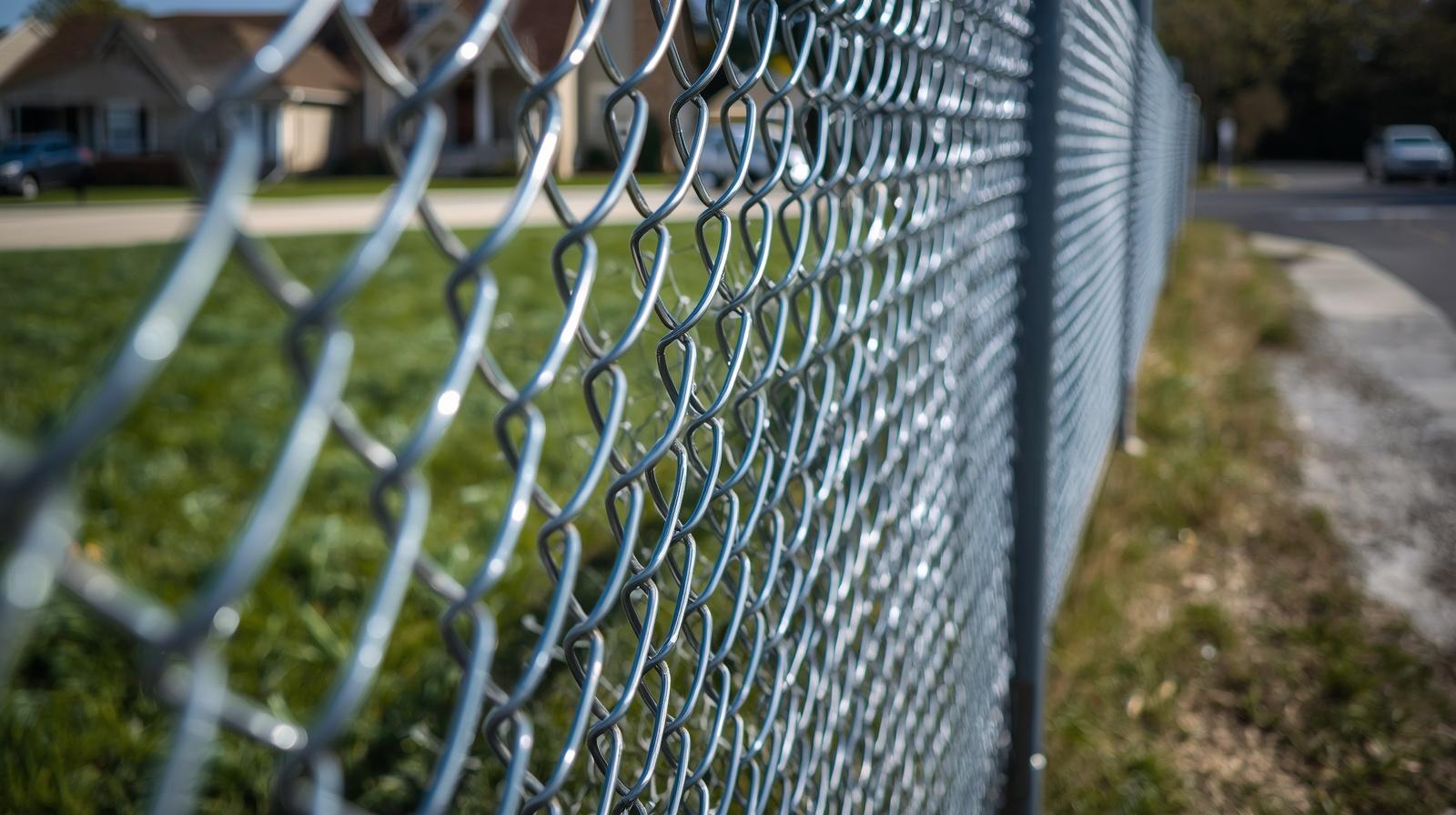
Chain link fence installation in Machesney Park, IL is a practical option for both residential and commercial properties. Homeowners often choose chain link fencing for pets, backyard boundaries, gardens, and side yards, while businesses may use it for storage yards, parking lots, equipment areas, dumpster enclosures, and security fencing. The right fence height, wire gauge, posts, gates, and layout depend on how the property will be used every day.
Why Chain Link Fencing Is a Practical Choice
Chain link fencing is one of the most commonly used fence materials because it is durable, visible, cost-conscious, and useful for many property types. It creates a clear boundary without fully blocking the view, which can be helpful for both homeowners and business owners.
For residential properties in Machesney Park, chain link fencing may help keep pets contained, define yard space, or protect gardens. For commercial properties, chain link fencing can help secure equipment, control access, organize parking areas, and protect service zones.
Chain link fencing may not provide full privacy on its own, but it offers practical boundary control and lower maintenance than many wood fence options. When privacy is needed, slats may be added to reduce visibility through the fence.
Residential Chain Link Fence Installation
Homeowners often choose chain link fencing because it is simple, functional, and versatile. It works well for properties that need a clear boundary without making the yard feel closed in.
Residential chain link fencing may be used for:
Backyards
Pet areas
Side yards
Garden spaces
Driveway edges
Utility areas
Detached garages
Property line definition
For many homeowners, chain link fencing is less about decoration and more about function. It can help make the yard safer, easier to use, and more organized.
Chain Link Fencing for Pets
Pet containment is one of the most common residential uses for chain link fencing. A properly installed chain link fence can create a secure outdoor area for dogs while still allowing visibility across the yard.
When planning a chain link fence for pets, property owners should consider:
Fence height
Gate latch quality
Gaps near the ground
Post spacing
Fabric tension
Gate placement
Yard layout
A loose gate, low section, or gap under the fence can become an escape point. Good installation and regular maintenance help keep the fence secure for everyday pet use.
Chain Link Fencing for Backyards and Side Yards
Chain link fencing can help define backyard and side-yard spaces without creating a fully enclosed feeling. This can be useful for homeowners who want a boundary but still want airflow and visibility.
Backyard chain link fencing may help with:
Property boundaries
Lawn and garden separation
Child and pet safety
Utility area separation
Access to sheds or garages
Basic yard organization
For side yards, chain link can also provide a practical barrier without blocking too much light or visibility.
Commercial Chain Link Fence Installation
Commercial chain link fencing usually has different priorities than residential fencing. While homeowners may focus on pets or yard boundaries, businesses often need security, access control, and durability.
Commercial chain link fencing may be used around:
Storage yards
Equipment areas
Parking lots
Utility spaces
Service entrances
Dumpster enclosures
Commercial back lots
Fleet vehicle areas
Construction zones
Restricted access areas
For business owners and property managers in Machesney Park, chain link fencing can help protect valuable areas while keeping the property visible and organized.
Chain Link Fencing for Security
Security is one of the biggest reasons businesses choose chain link fencing. It can help create a clear boundary and reduce open access to restricted areas.
Commercial chain link fencing can support security by:
Defining property lines
Limiting access to equipment or vehicles
Protecting storage areas
Supporting lockable gates
Separating public and private spaces
Making restricted areas easier to monitor
Helping organize commercial traffic flow
Because chain link fencing is open, property owners can still see through the fence. This visibility may be useful for monitoring outdoor spaces, parking areas, and equipment yards.
Fence Height: Residential vs. Commercial
Fence height is an important part of chain link fence installation. The right height depends on the purpose of the fence.
Residential chain link fences are often used for pets, backyards, and property boundaries. The height should match the size of the pet, the layout of the yard, and the homeowner’s goals.
Commercial chain link fences may need to be taller, especially around storage yards, equipment spaces, utility areas, or restricted zones. Taller fencing can provide stronger boundary control and better security.
When choosing fence height, consider:
Pet containment
Security needs
Property layout
Visibility
Gate access
Local requirements
Snow removal
Long-term durability
A fence should be tall enough to do its job without creating unnecessary cost or access problems.
Wire Gauge and Fence Strength
Wire gauge refers to the thickness of the chain link fabric. This affects strength, durability, and cost.
For some residential properties, a standard chain link fabric may be enough. For commercial properties, heavier gauge fabric may be a better choice because the fence may be exposed to equipment, vehicles, frequent gate use, and higher security needs.
Heavier chain link fabric can help with:
Security
Long-term durability
Impact resistance
Reduced sagging
Better performance in high-use areas
Commercial projects often need stronger materials than basic residential fences. Choosing the right gauge helps reduce future repair needs.
Posts, Rails, and Framework
A chain link fence is only as strong as its framework. Posts, rails, braces, fittings, and tension wire all help keep the fence stable.
Important framework factors include:
Line posts
Corner posts
Gate posts
Top rail
Tension wire
Brace bands
Rail ends
Fasteners and fittings
Commercial chain link fences often need stronger posts and framework than residential fences. This is especially important near gates, corners, parking areas, equipment yards, and high-use access points.
Weak framework can lead to leaning posts, loose fabric, bent rails, and repeated repairs.
Gates and Access Points
Gates are an important part of any chain link fence system. They affect access, security, convenience, and long-term maintenance.
Residential gates may be needed for:
Backyard access
Pets
Lawn equipment
Side yards
Garden spaces
Sheds or garages
Commercial gates may need to support:
Employees
Delivery vehicles
Service trucks
Trailers
Maintenance crews
Dumpster service
Parking areas
Restricted access zones
Commercial gates often require stronger posts, frames, hinges, latches, and locking hardware because they are used more frequently. Gate placement should be planned carefully so the fence supports daily use instead of creating access issues.
Privacy Slats and Screening Options
Standard chain link fencing is open and visible. This is useful for many properties, but some areas may need more screening.
Privacy slats may be useful for:
Dumpster enclosures
Storage spaces
Utility areas
Service zones
Commercial back lots
Areas near public views
Residential yards needing partial privacy
Privacy slats can reduce visibility through the fence while still keeping the durability and structure of chain link fencing. However, property owners who need full privacy may want to consider wood or another privacy-focused fence material.
Midwest Weather and Chain Link Fence Durability
Machesney Park properties deal with Midwest weather throughout the year. Wind, snow, ice, rain, freeze-thaw cycles, rust, storm damage, and gate alignment problems can all affect fence performance.
Weather-related chain link fence issues may include:
Leaning posts from ground movement
Loose fabric after strong winds
Rusted hardware or fittings
Bent rails from falling branches
Gate misalignment after freeze-thaw cycles
Snow pressure against fence sections
Damage from snow removal equipment
Standing water near posts
A well-installed chain link fence should include strong posts, proper tension, durable hardware, and practical gate placement. These details help reduce future repair needs.
Residential vs. Commercial Maintenance Needs
Chain link fencing is generally lower maintenance than wood, but it still needs regular inspection.
Residential maintenance often focuses on:
Pet escape points
Gate latches
Loose fabric
Gaps near the ground
Rusted hardware
Leaning posts
Storm damage
Commercial maintenance often focuses on:
High-use gates
Locking hardware
Vehicle impact damage
Loose chain link fabric
Bent rails
Rusted fittings
Leaning posts
Dumpster enclosure gates
Commercial fences may need more frequent inspections because they often experience more traffic, stronger gate use, and exposure to vehicles or equipment.
Repair vs. Replacement
If a property already has chain link fencing, property owners may wonder whether repair or replacement is the better option.
When Chain Link Fence Repair May Be Enough
Repair may be practical when:
One or two posts are leaning
Fabric is loose in one area
A top rail is bent
A gate needs adjustment
Hinges or latches are worn
Rust is minor
Storm damage is isolated
The fence still meets the property’s needs
When Chain Link Fence Replacement May Be Better
Replacement may make more sense when:
Multiple posts are leaning
Chain link fabric is rusted throughout
Gates keep failing
Rails are bent in several areas
Repairs are becoming frequent
The fence is too short for current needs
The layout no longer works
The property needs better access control
If the fence no longer supports the way the property is used, a new chain link fence may provide better long-term value.
Choosing the Right Chain Link Fence for Your Property
The right chain link fence depends on whether the property is residential or commercial and what the fence needs to accomplish.
Homeowners should think about pets, gates, yard layout, visibility, and maintenance. Business owners should think about security, access control, gate use, vehicle traffic, and durability.
Helpful planning questions include:
What area needs to be fenced?
Is the fence for pets, security, or boundaries?
Should the fence provide visibility or screening?
How many gates are needed?
Will vehicles or service trucks need access?
Should the fence be taller?
Is heavier gauge fabric needed?
Will snow removal affect the fence line?
Is the project residential or commercial?
Good planning helps ensure the finished fence fits the property and reduces future repair needs.
Contact Rockford Fence for Chain Link Fence Installation in Machesney Park, IL
If you are planning chain link fence installation for a home, business, storage area, parking lot, pet space, or commercial property, Rockford Fence can help you choose a practical option.
Rockford Fence provides fence installation, fence repair, fence replacement, chain link fencing, wood fencing, ornamental fencing, security fencing, gates, dumpster enclosures, and commercial fence solutions for residential and commercial properties.
Contact Rockford Fence for chain link fence installation in Machesney Park, IL and nearby areas.
