Chain Link Fence Maintenance in Brodhead, WI: How to Prevent Damage
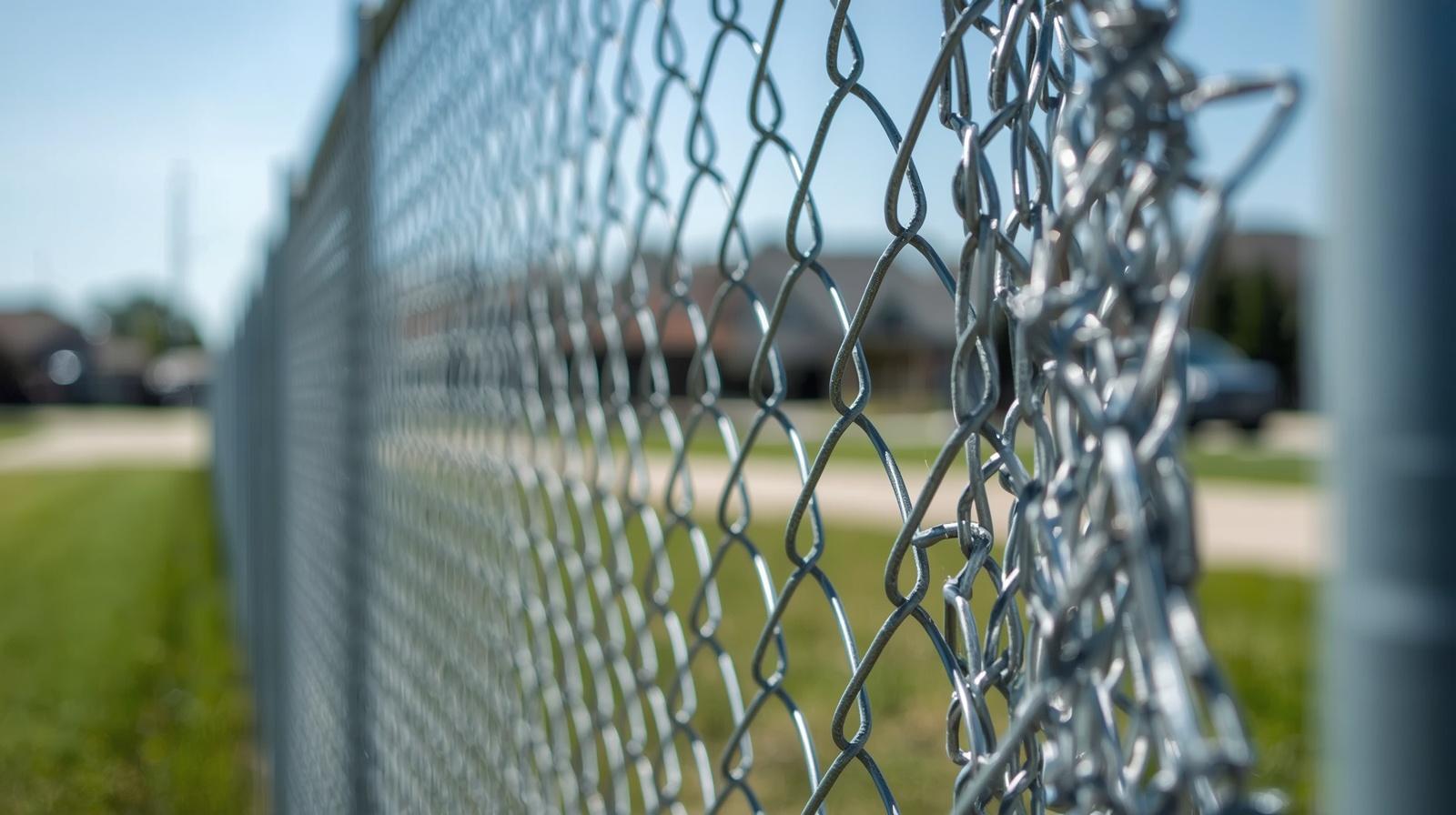
Chain link fence maintenance in Brodhead, WI helps property owners prevent loose fabric, leaning posts, rust, gate problems, bent rails, and storm-related damage. While chain link fencing is known for durability, it still needs regular inspection and simple upkeep. Catching small issues early can help avoid larger fence repair or replacement needs later.
Why Chain Link Fence Maintenance Matters in Brodhead, WI
Chain link fencing is a practical choice for many residential and commercial properties. It is durable, visible, cost-effective, and useful for pets, property boundaries, storage areas, parking lots, equipment yards, and security fencing.
For homeowners in Brodhead, chain link fencing may help with pet containment, backyard access, garden protection, or side-yard boundaries. For business owners, property managers, facility managers, and commercial property owners, chain link fencing may protect outdoor storage, guide access, secure service areas, or define restricted spaces.
Even though chain link fencing is low maintenance compared with some other materials, it is not maintenance-free. Wind, snow, ice, rain, freeze-thaw cycles, rust, storm damage, leaning posts, and gate wear can all affect the fence over time.
A simple maintenance routine can help extend the life of the fence and reduce future repair costs.
Start With Regular Fence Inspections
The easiest way to prevent chain link fence damage is to inspect the fence regularly. A quick walk along the fence line can help you catch small problems before they spread.
During an inspection, look for:
Leaning posts
Loose chain link fabric
Bent top rails
Missing ties
Rusted fittings
Damaged tension wire
Gate alignment problems
Broken hinges or latches
Gaps near the ground
Storm or impact damage
Residential fences should be checked after storms and at least seasonally. Commercial fences should be inspected more often, especially if they secure equipment, parking areas, dumpster enclosures, or high-use gates.
Check Fence Posts for Movement
Fence posts are the foundation of a chain link fence. When posts move, the fence may begin to sag, lean, or lose tension.
In Brodhead, freeze-thaw cycles can affect post stability. Moisture in the soil can freeze, expand, thaw, and shift. Over time, this movement can loosen the ground around fence posts.
Posts may also shift because of:
Heavy wind
Poor drainage
Soil erosion
Snow pressure
Vehicle or equipment impact
Weak original installation
Rust near the base of metal posts
Tree roots or ground movement
If one or two posts are leaning, repair may be possible. If multiple posts are loose or unstable, fence replacement may be more practical.
Keep Chain Link Fabric Tight
Chain link fabric should stay properly tensioned. When it becomes loose, the fence can look uneven and may no longer provide reliable security or pet containment.
Loose fabric may be caused by:
Broken ties
Damaged tension wire
Bent posts
Storm impact
Vehicle or equipment contact
Age and wear
Ground movement
For homeowners, loose fabric can create gaps where pets may push through or crawl under. For commercial properties, loose chain link can create weak points in the fence line.
If the fabric is only loose in one area, repair may be enough. If the fabric is rusted, stretched, or damaged throughout long sections, replacement may be a better long-term option.
Watch for Rust and Corrosion
Chain link fencing is often galvanized or coated to resist rust, but older fences and hardware can still corrode over time. Rust is especially common around fittings, hinges, latches, tension bands, posts, and areas where protective coatings are damaged.
Property owners should check for rust on:
Gate hinges
Latches
Metal posts
Tension bands
Top rail
Chain link fabric
Bolts and fasteners
Areas near the ground
Minor rust may be handled through repair or hardware replacement. Widespread rust can weaken the fence and may signal that replacement is needed.
Brodhead weather can make rust worse, especially with rain, snow, ice, moisture, and winter road salt exposure near driveways or parking areas.
Maintain Gates and Latches
Gates often wear out faster than the rest of the fence because they move, carry weight, and are used often. A chain link gate that does not close properly can affect security, pets, access, and daily use.
Common gate problems include:
Sagging
Dragging on the ground
Broken hinges
Loose latches
Rusted hardware
Bent gate frames
Misalignment
Posts shifting after freeze-thaw cycles
Residential gates should be checked for pet safety and backyard access. Commercial gates should be inspected more often because they may be used by employees, vendors, delivery drivers, service trucks, and maintenance crews.
Gate maintenance may include tightening hardware, replacing hinges, adjusting latches, clearing snow and ice, or repairing a leaning gate post.
Prevent Damage From Snow and Ice
Winter weather can be hard on chain link fencing in Brodhead. Snow piles, ice buildup, and freeze-thaw cycles can all create problems.
To reduce winter damage:
Avoid piling heavy snow against the fence
Keep gate openings clear
Do not force frozen gates open
Check posts after winter
Watch for ice buildup near hinges and latches
Keep snow removal equipment away from fence lines
Snow pressure can bend fabric, push rails out of place, and stress posts. Ice can make gates difficult to open and close. If a gate sticks, forcing it may damage hinges, latches, or the frame.
Clear Branches, Vines, and Debris
Overgrowth and debris can damage a chain link fence over time. Vines may pull on the fabric, branches can fall during storms, and leaves or debris can trap moisture around posts.
Helpful maintenance steps include:
Trim branches near the fence line
Remove vines from chain link fabric
Clear leaves and debris from the base
Remove fallen branches after storms
Keep weeds from hiding damage
Check for roots affecting posts
Keeping the fence line clear also makes it easier to inspect the fence and spot problems early.
Check After Storms
Strong wind, heavy rain, ice, and falling branches can damage chain link fencing. After severe weather, property owners should walk the fence line and look for changes.
Check for:
Bent top rails
Loose fabric
Leaning posts
Broken ties
Damaged gates
Branches on the fence
Rusted or loosened hardware
Gaps along the bottom
Storm damage should be addressed quickly, especially if the fence is used for pets, security, or commercial access control.
Residential Chain Link Fence Maintenance
Homeowners in Brodhead often use chain link fencing for pets, backyard boundaries, gardens, side yards, and utility spaces. Maintenance helps keep the fence safe and functional.
Residential maintenance should focus on:
Pet escape points
Gate latches
Loose fabric
Gaps under the fence
Rusted hardware
Leaning posts
Storm damage
For pet owners, even a small gap can become a problem. A loose latch, sagging gate, or damaged section should be fixed early.
Commercial Chain Link Fence Maintenance
Commercial chain link fencing often protects valuable areas, so maintenance is especially important. Business owners and property managers should check fences around equipment yards, parking lots, storage areas, dumpster enclosures, utility spaces, and service entrances.
Commercial maintenance should focus on:
High-use gates
Locking hardware
Vehicle impact damage
Loose chain link fabric
Bent rails
Rusted fittings
Leaning posts
Dumpster enclosure gates
A damaged commercial fence can affect security, access control, and property appearance. Regular maintenance helps reduce disruptions and repair costs.
Repair vs. Replacement: When Maintenance Is Not Enough
Maintenance can prevent many issues, but some fences eventually need repair or replacement.
When Chain Link Fence Repair May Be Enough
Repair may be practical when:
One or two posts are leaning
Fabric is loose in one section
A top rail is bent
A gate needs adjustment
Hinges or latches are worn
Rust is minor
Storm damage is isolated
When Chain Link Fence Replacement May Be Better
Replacement may make more sense when:
Multiple posts are leaning
Chain link fabric is rusted throughout
Gates keep failing
Rails are bent in several areas
Repairs are becoming frequent
The fence no longer provides security
The layout no longer works for the property
For commercial properties, replacement may be the better long-term choice if the fence no longer protects the site or supports daily operations.
Contact Rockford Fence for Chain Link Fence Maintenance in Brodhead, WI
If your chain link fence has loose fabric, leaning posts, rusted hardware, gate problems, bent rails, or storm damage, Rockford Fence can help determine whether maintenance, repair, or replacement is the right next step.
Rockford Fence provides fence installation, fence repair, fence replacement, chain link fencing, wood fencing, ornamental fencing, security fencing, gates, dumpster enclosures, and commercial fence solutions for residential and commercial properties.
Contact Rockford Fence for chain link fence maintenance, repair, or replacement in Brodhead, WI and nearby areas.
