Chain Link Fence Maintenance in DeKalb, IL: Keeping Your Fence Reliable
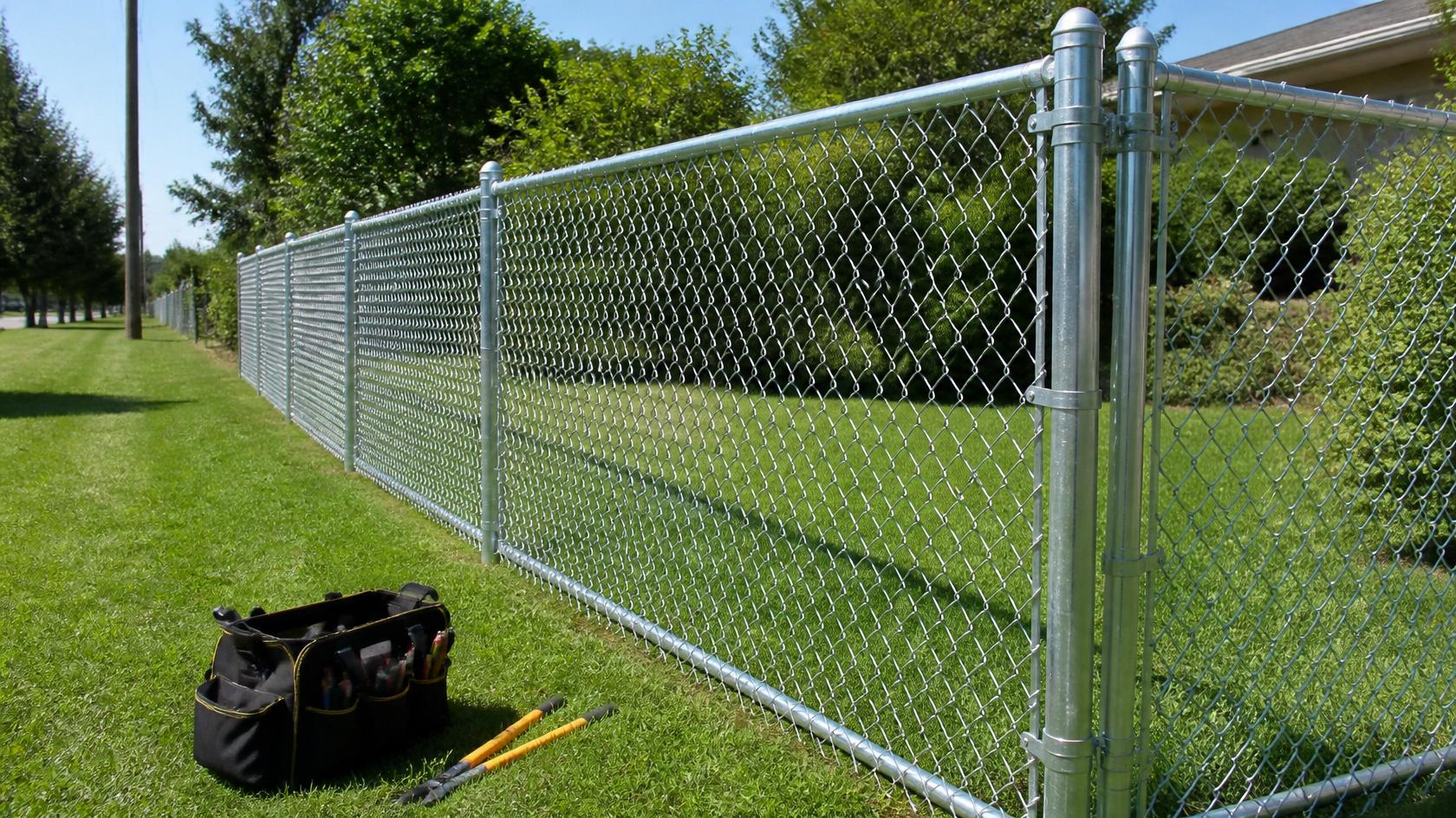
Routine chain link fence maintenance can prevent loose fabric, leaning posts, rust, and gate failure. Property owners in DeKalb should inspect their fences seasonally and after severe weather to protect security, safety, and long-term durability.
Why Chain Link Fence Maintenance Matters
Chain link fencing is a practical choice for homes, businesses, warehouses, schools, storage areas, utility spaces, and commercial properties in DeKalb.
It is durable, relatively low-maintenance, and well suited for securing larger areas. However, low-maintenance does not mean maintenance-free.
Wind, snow, ice, heavy rain, freeze-thaw cycles, road salt, and daily use can gradually weaken posts, rails, fabric, fittings, and gates. Small problems may eventually create larger openings, unstable sections, or access issues.
Regular inspections help property owners address damage before it affects the entire fence line.
Inspect the Fence Fabric
Chain link fabric should remain tight, straight, and securely connected to the posts and rails.
Over time, the mesh may sag, stretch, bend, or separate from the frame.
Common causes include:
Broken tie wires
Loose tension bands
Bent top rails
Fallen branches
Pressure from snow or debris
Vehicle or equipment impacts
Animals pushing beneath the fence
Vegetation growing through the mesh
Minor sagging may be corrected by tightening or restretching the existing fabric. Torn, sharply bent, or heavily corroded sections may need replacement.
Inspect the bottom of the fence carefully. Openings near the ground can allow pets to escape, animals to enter, or unauthorized access to commercial areas.
Check Posts for Leaning or Movement
Fence posts provide the structural support for the entire system. If one post begins to shift, nearby fabric, rails, and gates may also move out of alignment.
Posts in DeKalb may lean because of:
Frost heaving
Saturated soil
Poor drainage
Strong wind
Snow piled against the fence
Vehicle impacts
Deteriorated concrete footings
Freeze-thaw cycles are especially important in northern Illinois. Moisture around a post can freeze, expand, and gradually loosen or lift the footing.
Test questionable posts by checking for visible movement. A slightly shifted post may be reset, while bent, rusted, or severely unstable posts usually require replacement.
Addressing one loose post early may prevent damage from spreading to a much larger section.
Inspect Top Rails and Fence Fittings
The top rail helps keep chain link fabric straight and distributes pressure across the fence.
A bent, disconnected, or damaged top rail can cause the mesh to sag. It may also place additional strain on nearby posts.
Inspect:
Top rails
Rail sleeves
Brace bands
Tension bands
Bolts
Post caps
Tie wires
Tension bars
Loose bolts and fittings should be tightened. Missing or rusted components should be replaced before they fail completely.
Bent rails are commonly caused by falling limbs, storm debris, climbing, snow pressure, or vehicle impacts. Replacing one rail is usually easier and less expensive than repairing a larger collapsed section later.
Watch for Rust and Corrosion
Galvanized chain link fencing is designed to resist corrosion, but rust can still develop where the protective coating has been scratched or worn away.
Rust often begins around:
Gate hinges
Latches
Bolts
Tie wires
Tension bands
Cut wire ends
Areas near standing water
Sections exposed to road salt
Small areas of surface rust may be cleaned and treated if the metal remains solid.
Deep corrosion, flaking metal, thinning posts, or brittle fittings usually indicate that the affected component should be replaced.
Property owners should pay close attention to the bottom of the fence, where moisture, leaves, grass, and snow may remain in contact with the metal.
Maintain Chain Link Gates
Gates receive more movement and pressure than most other fence components. They should open smoothly, close completely, and latch securely.
Check Gate Alignment
A dragging or sagging gate may be caused by loose hinges, a bent frame, a leaning post, frost movement, or changes in the ground level.
Continuing to force the gate can damage the hinges, latch, frame, or supporting post.
Minor alignment problems may be corrected through adjustment. Severely bent frames or unstable gate posts may need replacement.
Inspect Hinges and Latches
Loose hinges can cause the gate to drop. Misaligned latches may prevent it from closing securely.
Check for:
Loose bolts
Rusted hinges
Bent latch hardware
Worn connection points
Cracked welds
Missing fasteners
Lubricate moving hardware when needed and replace components that no longer operate reliably.
Commercial gates may require heavier hinges, lockable latches, drop rods, rollers, or access-control equipment.
Keep the Gate Area Clear
Remove gravel, soil, snow, weeds, and debris from the gate path.
In winter, avoid allowing snow and ice to build up beneath the gate. During spring and summer, trim vegetation that may interfere with movement or hide damage.
Control Vegetation Around the Fence
Vines, shrubs, weeds, and tree branches can place pressure on chain link fabric and hold moisture against the metal.
Plant growth may also make it difficult to inspect the fence for rust, gaps, and loose hardware.
Trim vegetation regularly and remove vines before they become wrapped tightly through the mesh.
Avoid planting large shrubs or trees too close to posts. Roots can disturb footings, while falling limbs can bend rails and fabric.
Improve Drainage Along the Fence Line
Standing water can weaken soil around posts and contribute to leaning. Constant moisture may also increase corrosion near the bottom of the fence.
Check the fence line after heavy rain or melting snow.
Watch for:
Water pooling around posts
Soil erosion
Exposed footings
Mud beneath gates
Gaps caused by runoff
Downspouts draining toward the fence
Correcting grading or redirecting water may help prevent recurring movement.
Resetting a post without solving the drainage issue may only provide a temporary repair.
Protect the Fence From Snow and Ice
Snow should not be repeatedly piled against chain link fencing. Heavy piles create pressure that may stretch the fabric, bend rails, or shift posts.
Commercial properties should clearly mark fence corners, gates, dumpster enclosures, and perimeter sections before snow-removal work begins.
Snowplows and loaders can easily damage posts and gates when boundaries are difficult to see.
Road salt can also contribute to corrosion. Areas near parking lots, driveways, and roads should be inspected more frequently.
Residential Chain Link Fence Maintenance
Homeowners in DeKalb often use chain link fencing around backyards, gardens, pet areas, play spaces, and side yards.
Residential inspections should focus on:
Gaps where pets may escape
Sharp or exposed wire ends
Loose fabric
Leaning posts
Damaged gates
Rusted hardware
Tree or landscaping damage
Problems near pools, children’s play areas, and pet enclosures should receive prompt attention.
Even a small opening can create a safety or containment concern.
Commercial Chain Link Fence Maintenance
Commercial chain link fencing may protect warehouses, equipment yards, loading areas, outdoor inventory, parking lots, utility spaces, and dumpster enclosures.
Facility and property managers should inspect:
Vehicle gates
Pedestrian gates
Locking hardware
Terminal and corner posts
Loading zones
Fence lines near driveways
Areas exposed to snowplows
Dumpster enclosures
Sections near drainage routes
High-traffic areas often experience repeated impact damage. Protective bollards, wider gates, wheel stops, or improved traffic flow may help reduce future repairs.
Security concerns such as loose mesh, open gaps, broken locks, or damaged gates should be handled quickly.
When to Repair a Chain Link Fence
Repair is usually practical when the damage is limited and most of the fence remains structurally sound.
Repair may be appropriate when:
One or two posts are leaning
A single rail is bent
One section of fabric is loose
Several fittings are rusted
A gate needs adjustment
A latch or hinge has failed
Targeted repairs can restore strength and extend the life of the fence.
When Replacement Makes More Sense
Replacement may provide better long-term value when problems are widespread.
Consider replacement when:
Many posts are loose or leaning
Rust affects large sections
Fabric is brittle or badly damaged
Rails and fittings are failing throughout
Gates repeatedly need repair
The fence no longer meets security needs
Repair costs continue to increase
Replacement also provides an opportunity to improve the fence height, gate width, layout, or level of security.
Keep Your Chain Link Fence Reliable
Routine maintenance helps chain link fencing remain secure, functional, and dependable through changing Midwest weather.
Rockford Fence provides chain link fence repair, replacement, installation, gate services, security fencing, and commercial fence solutions.
Contact Rockford Fence to schedule a chain link fence inspection in DeKalb, IL. The team can identify weak points and recommend practical repairs or replacement options based on your property’s needs.
