Chain Link Fence Repair Before Winter in Belvidere, IL: Business Property Checklist
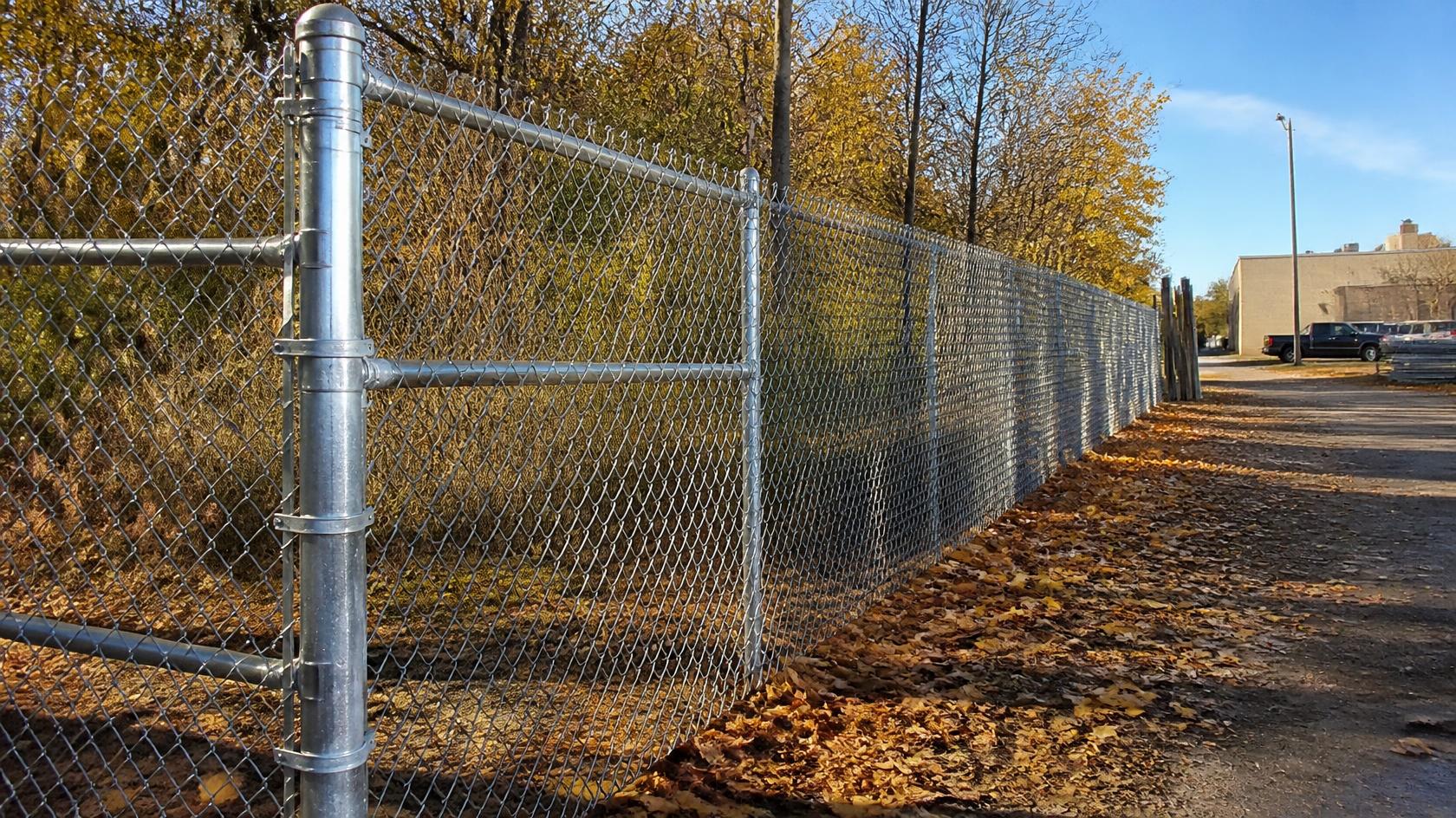
Before winter, Belvidere businesses should review chain link fencing for loose fabric, unstable posts, bent rails, gate problems, damaged fittings, corrosion, ground-level gaps, and drainage concerns. Fixing these issues in fall can help prevent snow, ice, freeze-thaw conditions, and winter traffic from turning small weaknesses into larger perimeter problems.
Use Fall to Check the Entire Fence Line
Commercial chain link fencing may look functional from a distance while smaller problems are already developing.
A complete fall review should cover more than the main entrance.
Walk areas near:
Parking lots
Delivery entrances
Equipment yards
Outdoor storage
Dumpster enclosures
Rear property lines
Snowplow routes
Look for changes in alignment, sagging fabric, loose fittings, bent components, and damage near active traffic areas.
Mark problem locations so they can be compared and prioritized before winter.
Look for Loose or Sagging Chain Link Fabric
Chain link fabric should remain reasonably tight between terminal points.
Watch for:
Sagging mesh
Fabric pulling away from posts
Loose bottom sections
Broken tie wires
Distorted openings
Areas that move excessively when pushed
Loose fabric may be caused by more than one problem.
A shifting terminal post, damaged top rail, or failed tension hardware can all reduce fabric tension.
If the mesh remains structurally sound, it may be possible to retension it after the supporting problem is corrected.
Repair Torn or Open Sections
Small tears and openings can weaken perimeter security.
Damage may result from:
Vehicles
Equipment
Falling branches
Storm debris
Repeated contact
Previous fence repairs
Inspect the area around the opening rather than replacing only the visible damaged mesh.
A bent rail or post may have contributed to the failure.
Localized chain link damage can often be repaired or replaced by section when the surrounding fence remains in good condition.
Check Terminal, Corner, and Gate Posts
Posts control the alignment and tension of the fence.
Terminal and corner posts deserve extra attention because they carry more tension than standard line posts.
Look for:
Leaning
Loose footings
Exposed concrete
Corrosion near the base
Soil erosion
Vehicle impact damage
Gate posts should also be checked carefully.
Even slight movement may cause the gate to sag, drag, or stop latching properly.
Belvidere's freeze-thaw conditions can expose weaknesses where soil around footings is already wet or unstable.
Inspect Top Rails for Bends and Separation
The top rail helps support the fence and maintain alignment.
Walk the fence line and look for:
Bent rail sections
Separated sleeves
Loose connections
Sagging between posts
Damage from branches or equipment
A single damaged rail may be repairable without replacing a long stretch of fencing.
However, leaving it in place can allow surrounding chain link fabric to loosen further.
Fall is a good time to correct these problems before snow adds pressure against the perimeter.
Review Tie Wires and Tension Hardware
Small components can create larger problems when they fail.
Inspect:
Tie wires
Tension bands
Brace bands
Tension bars
Bolts
Rail connections
Missing or broken tie wires may allow fabric to pull away from the rail or posts.
Loose tension hardware can create movement around terminal sections.
These repairs may seem minor, but they help keep the fence working as one connected system.
Test Commercial Gates Carefully
A winter-ready fence also needs dependable gates.
Open and close each gate several times.
Check for:
Sagging
Dragging
Difficulty latching
Loose hinges
Bent frames
Uneven clearance
Post movement
The gate should close without being lifted or forced into position.
If it repeatedly goes out of alignment, inspect the posts and frame before adjusting the latch again.
Repeated latch problems often indicate that something else is moving.
Check Sliding Gate Travel Areas
Sliding gates require a clear operating path.
Inspect:
Rollers
Guides
Tracks where applicable
Gate stops
Frame alignment
Ground conditions
Clear away gravel, mud, leaves, branches, and stored materials.
Once debris freezes or becomes covered by snow, it may interfere with movement and place additional stress on the gate system.
Grinding, shaking, or uneven movement should be addressed before colder weather arrives.
Look for Rust Before Winter Moisture Increases
Rust should be evaluated based on severity.
Check:
Post bases
Gate frames
Hinges
Latches
Bolts
Tie wires
Welded connections
Minor surface corrosion may be manageable while the metal remains strong.
More serious warning signs include:
Flaking metal
Thinning posts
Brittle wire
Holes
Weak connections
If corrosion has affected structural strength, replacement of the damaged component may be more appropriate than a temporary repair.
Check for Gaps Along the Bottom
Ground-level openings can develop gradually.
Possible causes include:
Erosion
Soil settlement
Loose fabric
Animal activity
Poor grading
A significant opening can reduce perimeter control around equipment or storage areas.
If the fabric is still strong, retensioning or correcting the surrounding grade may help.
Recurring gaps should prompt a closer look at drainage and soil movement.
Review Drainage Before the Ground Freezes
Drainage problems can affect both posts and the surrounding fence line.
Look for:
Standing water
Mud
Low spots
Erosion
Runoff toward posts
Exposed footings
Wet ground followed by repeated freezing and thawing may contribute to post movement.
If several posts lean in one area, the problem may be connected to site drainage rather than several unrelated failures.
Addressing the water issue can help protect future fence repairs.
Inspect Areas Exposed to Vehicle Traffic
Commercial chain link fence near parking lots, loading areas, and service entrances often experiences more damage.
Check for:
Bent posts
Scraped coatings
Damaged fabric
Dented gate frames
Loose fittings
Disturbed footings
Repeated damage may indicate that vehicles do not have enough room to maneuver.
Depending on the property, wider gate openings, bollards, wheel stops, or improved traffic flow may help reduce future impacts.
Plan Around Snow Removal
Snowplow routes should be reviewed before winter begins.
Avoid storing heavy snow directly against:
Chain link fabric
Gates
Posts
Rails
Dumpster enclosures
Snow pressure can stretch mesh and push against already weakened components.
Gate openings should also remain clear enough for regular use after plowing.
If one fence section has been damaged by snow equipment before, identify a safer plow route or snow-storage area before the season starts.
Decide Which Repairs Cannot Wait
Not every issue has the same priority.
Address first:
Gates that do not close or lock
Unstable posts
Torn chain link
Bent rails
Large perimeter gaps
Structural corrosion
Broken hardware near access points
Minor cosmetic damage can often be monitored.
Problems affecting access, structural stability, or perimeter security should be handled sooner.
Know When Sectional Replacement Is Better
Repair often makes sense when damage is isolated and the surrounding fence remains strong.
Sectional replacement may be more practical when:
One area has severe corrosion
Fabric is badly distorted
Several connected posts are damaged
A vehicle impact affected multiple components
Full replacement is usually considered when deterioration affects a much larger part of the system.
The goal should be to repair only what is needed while avoiding repeated work on components that are already failing.
Get Your Belvidere Chain Link Fence Ready for Winter
A fall chain link inspection gives businesses time to correct weak points before winter conditions make them harder to manage.
Review fabric tension, gates, posts, rails, fittings, drainage, corrosion, vehicle-impact areas, and snow-removal routes as part of the checklist.
Rockford Fence provides commercial chain link fence repair, installation, replacement, gate repair, security fencing, dumpster enclosures, and other commercial fence solutions.
Contact Rockford Fence for commercial chain link fence repair in Belvidere, IL. The team can inspect damaged sections and recommend practical repairs before winter.
