Chain Link Fence Repair in Byron, IL: Signs Your Fence Needs Attention
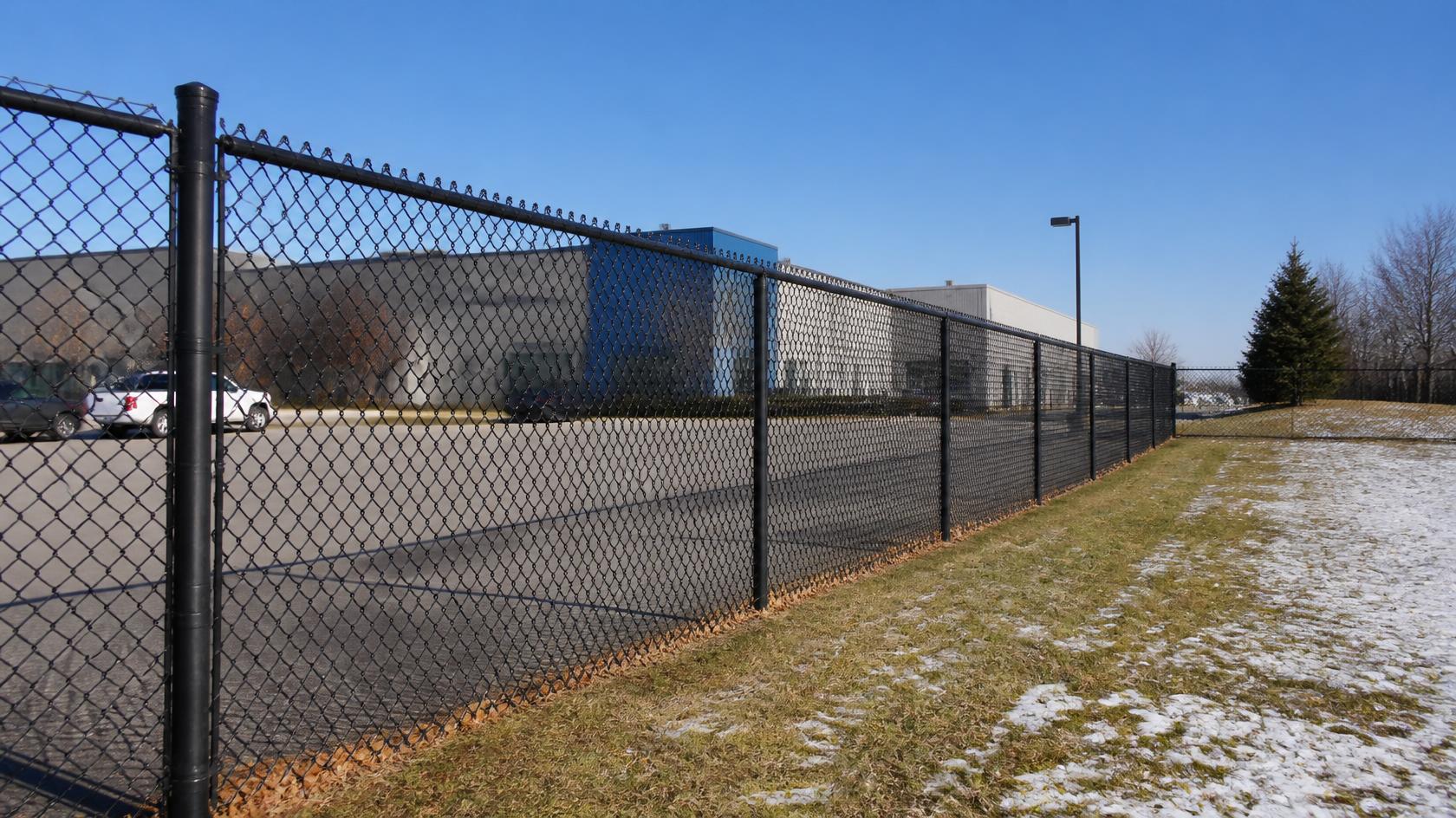
Chain link fences often show clear warning signs before major damage develops. Byron property owners should watch for leaning posts, sagging mesh, bent rails, gate problems, rust, broken fittings, and ground-level gaps so repairs can be handled before larger sections are affected.
Sign 1: Fence Posts Are Leaning
Posts provide the structural support for chain link fencing.
A post may begin leaning because of:
Freeze-thaw movement
Saturated soil
Erosion
Weak footings
Vehicle impacts
Corrosion
One slightly shifted post may sometimes be reset if the metal remains strong.
Badly bent, deeply corroded, or unstable posts usually need replacement.
If several posts are leaning, inspect the surrounding soil and drainage before treating each post as an isolated problem.
Sign 2: The Chain Link Fabric Is Sagging
Chain link mesh should remain reasonably tight between terminal posts.
Sagging can develop from:
Broken tie wires
Loose tension bands
Shifting posts
Bent rails
Snow pressure
Fallen branches
Strong fabric can often be retensioned after damaged posts or rails are repaired.
Tightening mesh without correcting the structural problem first may cause the sagging to return.
Sign 3: The Mesh Is Torn or Distorted
Localized fabric damage may come from equipment, storms, falling branches, or impacts.
Small damaged sections can create problems with:
Pet containment
Yard boundaries
Commercial perimeter security
If surrounding mesh remains flexible and structurally sound, sectional fabric replacement may be possible.
Brittle or heavily corroded mesh may require a larger replacement section.
Sign 4: Top Rails Are Bent
Top rails help support the fabric and maintain alignment.
They can be damaged by:
Falling limbs
Heavy snow
Vehicles
Lawn equipment
Storm debris
One bent rail can often be replaced without rebuilding the entire fence.
Nearby posts, fittings, and fabric should also be inspected because the same impact may have affected more than one component.
Sign 5: Tie Wires or Fittings Are Missing
Small hardware plays an important role in keeping the fence secure.
Check:
Tie wires
Tension bands
Brace bands
Tension bars
Rail sleeves
Bolts
Missing or broken fittings can allow mesh to pull away from the frame.
These parts are often relatively straightforward to replace when surrounding components remain in good condition.
Sign 6: The Gate Is Dragging or Will Not Latch
Gate problems often reveal movement elsewhere in the fence.
Watch for:
Sagging
Dragging
Loose hinges
Bent frames
Misaligned latches
Leaning gate posts
If a gate suddenly stops closing correctly, inspect the supporting posts before moving the latch.
Post movement may be the underlying cause.
Sign 7: Sliding Gates Grind or Shake
Commercial properties and larger entrances may use sliding chain link gates.
Warning signs include:
Grinding
Shaking
Uneven travel
Worn rollers
Damaged guides
Incomplete closing
Keep gravel, mud, leaves, snow, and ice clear of the travel path.
Roller and guide problems should be addressed before they place additional stress on the frame.
Sign 8: Rust Is Spreading
Minor surface rust does not always mean the fence needs major repair.
Pay closer attention when corrosion appears around:
Post bases
Hinges
Latches
Bolts
Tie wires
Tension hardware
More serious warning signs include flaking metal, thinning posts, brittle mesh, or hardware that breaks during adjustment.
Widespread corrosion may make sectional or full replacement more practical.
Sign 9: Gaps Are Developing Beneath the Fence
Ground-level openings may form because of:
Soil erosion
Animal digging
Poor grading
Loose mesh
Seasonal soil movement
Possible repairs may include restoring the soil grade, retensioning fabric, adding suitable bottom support, or improving drainage.
If the same gap keeps returning, the underlying ground condition should be investigated.
Sign 10: Water Collects Around Fence Posts
Drainage problems can contribute to repeated post movement.
Look for:
Standing water
Mud
Washed-out soil
Exposed footings
Low areas
Northern Illinois freeze-thaw cycles can worsen movement when soil remains saturated.
Repairing a post without correcting recurring drainage may only provide a temporary solution.
Check the Fence After Severe Weather
Byron fences may experience stress from strong winds, heavy rain, snow, ice, and falling branches.
After significant weather, inspect:
Posts
Rails
Fabric
Gates
Hardware
Snow piled against chain link fabric can create pressure, while storms may bend rails or shift posts.
Early inspection can help keep repairs localized.
Residential Chain Link Repair Priorities
Homeowners should give early attention to:
Pet escape gaps
Sharp or broken wire
Loose fabric
Gates that do not latch
Unstable posts
These problems can affect everyday yard use even when most of the fence remains in good condition.
Commercial Chain Link Repair Priorities
Commercial fencing may protect:
Parking areas
Equipment yards
Outdoor storage
Service areas
Dumpster enclosures
Areas near vehicle entrances deserve closer inspection because repeated impacts can damage posts, gates, and rails.
If the same location is frequently hit, wider gates, bollards, wheel stops, or improved traffic flow may help reduce future repairs.
When Repair Makes Sense
Repair may be practical when:
Damage is localized
Most posts remain stable
Fabric is still strong
One rail or gate needs work
Corrosion is limited
When Replacement May Be Better
Replacement may make more sense when:
Several posts are unstable
Fabric has become brittle
Corrosion is widespread
Multiple rails are failing
Gates repeatedly need repair
Large sections have lost tension
Sectional replacement may also work when one area is badly damaged but the rest remains dependable.
Schedule Chain Link Fence Repair in Byron
Chain link fence problems are easier to manage when warning signs are caught early. Posts, rails, fabric, fittings, gates, drainage, and corrosion should all be evaluated before deciding on the right repair.
Rockford Fence provides residential and commercial chain link fence repair, installation, replacement, security fencing, gates, dumpster enclosures, and commercial fence solutions.
Contact Rockford Fence for a chain link fence inspection in Byron, IL. The team can identify developing problems and recommend practical repair, sectional replacement, or full replacement options.
