Chain Link Fence Repair in Clinton, WI: Posts, Rails & Fabric Issues
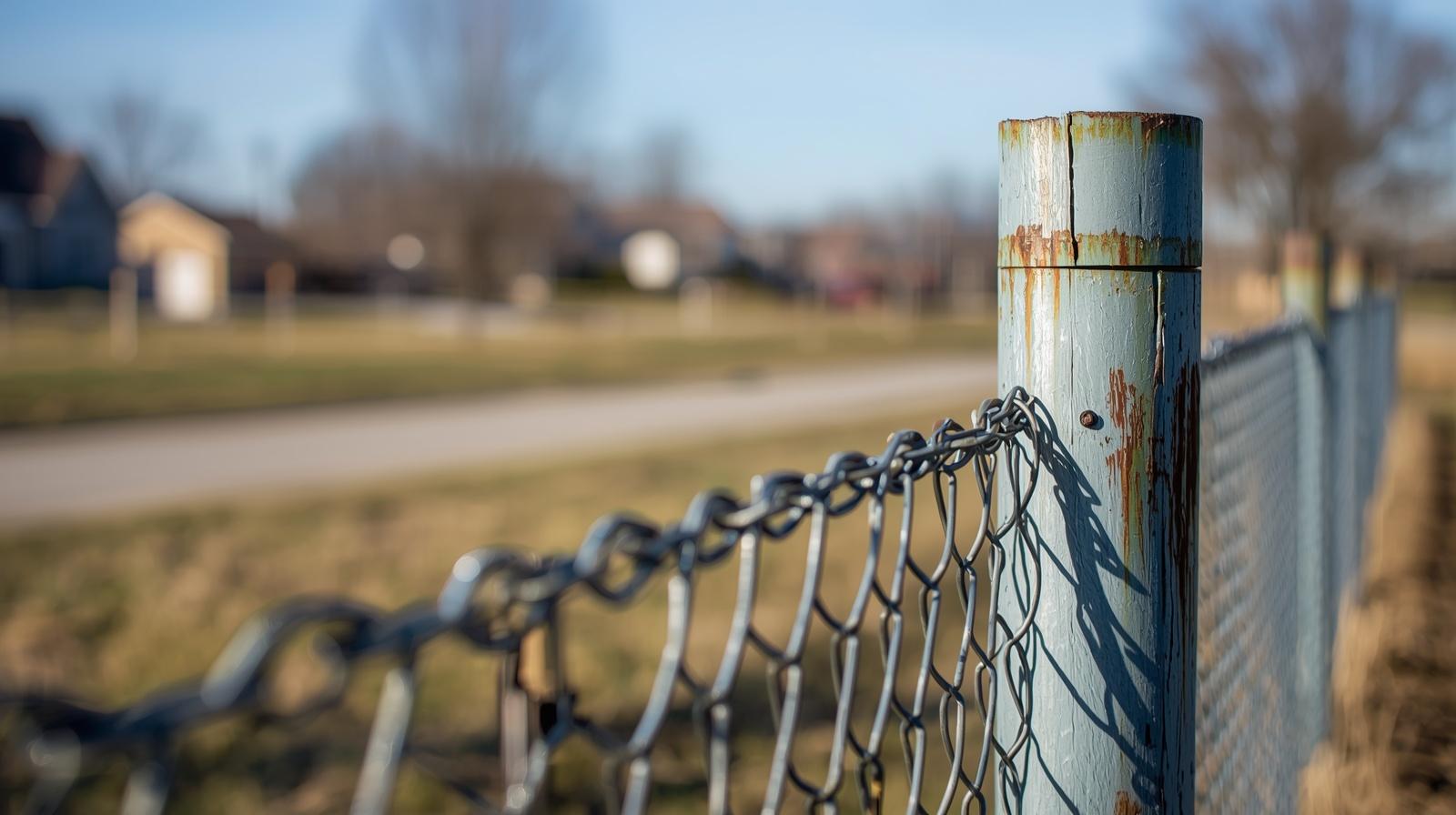
Chain link fence repair in Clinton, WI is often needed when posts lean, rails bend, fabric loosens, gates sag, or hardware begins to rust. These issues can affect pet containment, property boundaries, commercial security, and access control. Fixing chain link fence problems early can help prevent larger repairs or full fence replacement later.
Why Chain Link Fence Repair Matters
Chain link fencing is a practical option for many residential and commercial properties. It is commonly used for backyards, pet areas, side yards, storage lots, parking areas, equipment yards, dumpster enclosures, and security fencing.
For homeowners in Clinton, a damaged chain link fence can affect pets, safety, property boundaries, and curb appeal. For business owners, property managers, and commercial property owners, chain link fence damage can affect security, deliveries, access points, storage areas, and restricted zones.
Even though chain link fencing is durable, it can still develop problems over time. Wind, snow, ice, rain, freeze-thaw cycles, rust, storm damage, vehicle impact, and frequent gate use can all weaken a fence.
Common Chain Link Fence Problems
Chain link fence issues may happen slowly or suddenly after a storm. Some problems start small but can spread if they are not repaired.
Common repair issues include:
Leaning fence posts
Bent top rails
Loose chain link fabric
Missing fence ties
Damaged tension wire
Rusted fittings
Sagging gates
Broken hinges or latches
Gaps near the ground
Sections pulling away from posts
The right repair depends on the damage, fence age, material condition, and how the fence is used.
Leaning Fence Posts
Fence posts support the entire chain link fence system. When posts lean, the fabric, rails, gates, and nearby sections can shift out of alignment.
Posts may lean because of:
Wet soil
Freeze-thaw cycles
Poor drainage
Soil erosion
Strong wind
Snow pressure
Rust near the base
Vehicle or equipment impact
Weak original installation
In Clinton, Wisconsin weather can cause ground movement around fence posts. Moisture can freeze, expand, thaw, and shift the soil, which may loosen posts over time.
If only one or two posts are leaning, repair may be possible. The post may need to be reset, reinforced, or replaced. If several posts are leaning, fence replacement may be more practical.
Bent Rails
Top rails help keep a chain link fence straight and stable. When rails bend, nearby fabric may loosen or pull out of place.
Bent rails may be caused by:
Fallen branches
Storm debris
Snow or ice pressure
Vehicle impact
Equipment damage
Heavy objects leaning against the fence
A bent rail can often be replaced without replacing the entire fence. However, if the post is also damaged or several rails are bent, the repair may involve a larger section of fencing.
Loose Chain Link Fabric
Loose fabric is one of the most common chain link fence repair issues. The fence may look wavy, sagging, or separated from the posts.
Loose chain link fabric may happen because of:
Broken ties
Damaged tension wire
Bent rails
Leaning posts
Rusted fittings
Storm damage
Vehicle impact
Normal wear
For homeowners, loose fabric can create escape points for pets. For commercial properties, it can reduce security around storage yards, parking lots, equipment areas, and restricted spaces.
Repair may include tightening the fabric, replacing missing ties, fixing tension wire, or repairing the posts and rails that support the section.
Missing Ties and Hardware Problems
Fence ties, bands, bolts, rail ends, and fittings may seem small, but they help hold the fence together. When these parts loosen, rust, or break, the fence can lose tension and stability.
Watch for:
Missing wire ties
Loose brace bands
Rusted bolts
Broken rail ends
Damaged tension bands
Fabric pulling away from posts
Hardware that no longer holds tight
Small hardware repairs can help prevent larger fence damage. Replacing missing ties or tightening loose fittings early is usually easier than repairing a larger loose section later.
Gate Problems
Gates are one of the most used parts of a chain link fence. Because they open and close often, they are more likely to need repair.
Common chain link gate issues include:
Sagging gates
Gates dragging on the ground
Gates that do not latch
Broken hinges
Loose latches
Rusted hardware
Bent gate frames
Leaning gate posts
For residential properties, a gate that does not close properly can affect pets and backyard access. For commercial properties, gate issues can affect employees, deliveries, service vehicles, dumpster access, parking areas, and security.
Gate repair may include replacing hinges, adjusting latches, resetting posts, repairing the frame, or replacing damaged hardware.
Rust and Corrosion
Chain link fencing is often galvanized or coated, but older fencing and hardware can still rust over time. Rust is especially common around gates, fittings, hinges, latches, posts, and areas near the ground.
Rust can affect:
Chain link fabric
Metal posts
Top rails
Gate frames
Hinges and latches
Bolts and fittings
Tension bands
Minor rust may be handled with sectional repair or hardware replacement. Widespread rust may weaken the fence and make replacement the better long-term option.
Storm Damage Chain Link Fence Repair
Storms are a common reason for chain link fence repair in Clinton. Strong wind, heavy rain, snow, ice, and falling branches can damage posts, rails, gates, and fabric.
After a storm, check for:
Leaning posts
Bent rails
Loose chain link fabric
Damaged gates
Fallen branches
Broken ties
Gaps near the ground
Sections pulling away from posts
Storm damage should be repaired quickly, especially if the fence is used for pets, security, or commercial access control.
Residential Chain Link Fence Repair
Homeowners often use chain link fencing for pets, backyards, gardens, side yards, and property boundaries.
Residential chain link fence repair can help with:
Pet containment
Backyard safety
Gate access
Property lines
Garden protection
Storm damage recovery
Curb appeal
For pet owners, loose fabric, open gates, broken latches, and gaps near the ground should be repaired as soon as possible.
Commercial Chain Link Fence Repair
Commercial chain link fencing often protects important areas, so damage should not be ignored.
Commercial repairs may be needed around:
Equipment yards
Storage lots
Parking areas
Dumpster enclosures
Utility spaces
Service entrances
Fleet vehicle areas
Restricted zones
Commercial gates
For business owners and property managers, a damaged fence can affect security, deliveries, employee access, and property appearance. High-use gates and access points should be checked often.
Repair vs. Replacement
Not every damaged chain link fence needs full replacement. Many issues can be repaired when the damage is limited.
Repair May Be Enough When:
One or two posts are leaning
Fabric is loose in one section
A top rail is bent
A gate needs adjustment
Hinges or latches are worn
Rust is minor
Storm damage is isolated
The fence still meets the property’s needs
Replacement May Be Better When:
Multiple posts are leaning
Chain link fabric is rusted throughout
Gates keep failing
Rails are bent in several areas
Repairs are becoming frequent
The fence is too short for current needs
The layout no longer works
The fence no longer provides security
If repairs keep adding up, replacing the fence may provide better long-term value.
How to Prevent Future Chain Link Fence Issues
Regular maintenance can help extend the life of a chain link fence and reduce repair needs.
Helpful steps include:
Inspect the fence after storms
Check gates and latches often
Tighten loose hardware
Replace missing ties
Watch for rust
Keep branches trimmed near the fence
Avoid piling snow against the fence
Keep vehicles and equipment away from fence lines
Repair small problems early
A chain link fence that is maintained regularly is less likely to develop major repair issues.
Contact Rockford Fence for Chain Link Fence Repair in Clinton, WI
If your chain link fence has leaning posts, bent rails, loose fabric, damaged gates, rusted hardware, storm damage, or failing sections, Rockford Fence can help determine whether repair or replacement is the right solution.
Rockford Fence provides chain link fence repair, fence installation, fence replacement, wood fencing, ornamental fencing, security fencing, gates, dumpster enclosures, and commercial fence solutions for residential and commercial properties.
Contact Rockford Fence for chain link fence repair in Clinton, WI and nearby areas.
