Chain Link Fence Repair in Hanover, WI: Fixing Common Fence Issues
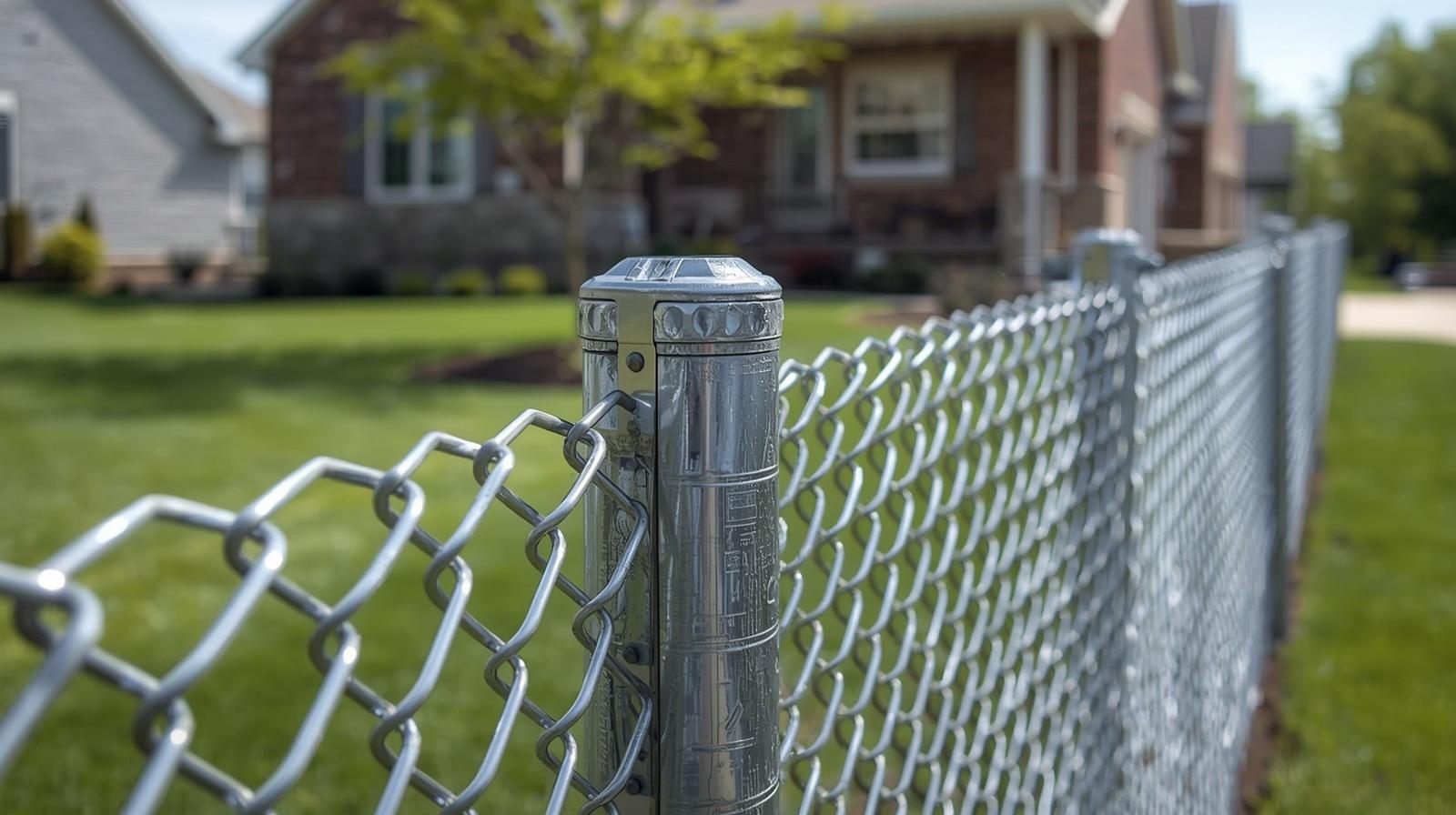
Chain link fence repair in Hanover, WI often involves fixing leaning posts, loose fabric, bent rails, gate problems, rust, and storm damage. Many issues can be repaired when caught early, but widespread damage may make fence replacement the better long-term option. For homeowners and commercial property owners, timely chain link fence repair helps maintain security, access control, pet containment, and property appearance.
Why Chain Link Fence Repair Matters in Hanover, WI
Chain link fencing is known for being practical, durable, and cost-effective. It is commonly used around homes, businesses, storage areas, parking lots, equipment yards, utility spaces, and commercial properties. Even though chain link is built for function, it can still wear down or become damaged over time.
In Hanover, WI, fences deal with changing Midwest weather throughout the year. Wind, snow, ice, rain, freeze-thaw cycles, and storms can all affect fence posts, rails, gates, fabric, and hardware. A fence that looks slightly loose today may become a bigger repair issue after another winter or storm season.
For homeowners, a damaged chain link fence can affect pets, backyard boundaries, and everyday property use. For business owners and property managers, fence damage can affect security, access control, and the professional appearance of the site.
Common Chain Link Fence Problems
Most chain link fence problems begin in one part of the system. A post starts leaning, the fabric loses tension, a gate stops closing, or a rail bends after impact. If the issue is not addressed, it can spread to nearby sections.
Common chain link fence issues include:
Leaning or loose posts
Sagging chain link fabric
Bent top rails
Damaged tension wire
Rusted hardware
Broken ties or fittings
Sagging gates
Misaligned gates
Bent gate frames
Storm-damaged sections
Vehicle or equipment impact damage
Damage from snow removal
The right repair depends on the cause of the damage, the age of the fence, and whether the rest of the fence is still stable.
Fixing Leaning Chain Link Fence Posts
Fence posts are the foundation of a chain link fence. When posts move, the entire fence can lose tension and begin to sag or lean.
Why Chain Link Fence Posts Lean
In Hanover, freeze-thaw cycles are a common cause of leaning fence posts. When moisture in the soil freezes, expands, thaws, and shifts, it can loosen the ground around the post. Over time, the post may start to tilt.
Other causes of leaning posts include:
Poor original installation
Soil erosion
Heavy wind
Pressure from snow piles
Rust near the base of the post
Vehicle impact
Equipment damage
Tree roots or shifting ground
A leaning post should be repaired early. If ignored, it can pull the chain link fabric out of alignment and place added stress on nearby posts, rails, and gates.
Post Repair Solutions
If only one or two posts are damaged, repair may be possible. The post may need to be reset, reinforced, or replaced. If the chain link fabric and nearby framework are still in good condition, a targeted repair may restore the fence without replacing the entire section.
Post repair may make sense when:
The damage is isolated
Nearby posts are stable
The fabric is still usable
The gate still works properly
The fence still meets the property’s needs
If multiple posts are leaning, rusted, or unstable, replacement may be more practical than repeated repairs.
Repairing Loose or Damaged Chain Link Fabric
Chain link fabric is the woven metal mesh that makes up the main fence surface. It needs proper tension to stay straight and secure.
Common Chain Link Fabric Issues
Chain link fabric may need repair if it is:
Loose or sagging
Pulled away from posts
Bent from impact
Cut or torn
Rusted in several areas
Damaged by fallen branches
Pushed out by snow or equipment
For residential properties, damaged fabric can create gaps where pets may escape. For commercial properties, loose or damaged fabric can weaken the fence line and reduce security.
Fabric Repair Solutions
In many cases, chain link fabric can be repaired or replaced in sections. Damaged areas may be tightened, reattached, or replaced depending on the condition of the fence.
If the damage is limited to one area, repair is often a practical option. If the fabric is rusted, loose, or damaged throughout long sections, fence replacement may be a better long-term solution.
Fixing Bent Rails and Framework
The top rail and framework help keep a chain link fence straight and stable. When a rail bends, the fence may lose strength and appear uneven.
Bent rails can be caused by:
Falling branches
Storm damage
Vehicle impact
Snow pressure
Equipment contact
Long-term wear
A bent top rail can often be replaced without replacing the entire fence. However, the posts and fabric should also be checked. If the rail bent because the posts shifted, the post issue should be repaired first.
For commercial properties in Hanover, bent rails should be fixed promptly because they can weaken the fence and make the property look poorly maintained.
Chain Link Gate Repair
Gates are one of the most used parts of any chain link fence. Because they move, carry weight, and rely on hardware, they often need repair before the rest of the fence.
Common Chain Link Gate Problems
Gate problems may include:
Sagging
Dragging on the ground
Broken hinges
Loose latches
Bent frames
Rusted hardware
Misalignment
Posts pulling out of position
Difficulty opening or closing
Damage from vehicles, snow, or equipment
For homeowners, a gate that does not latch can be a problem for pets and children. For commercial properties, gate problems can affect deliveries, employee access, parking areas, service zones, and security.
Why Gates Stop Working Properly
Gate issues often start when the supporting post moves. If the gate post shifts because of freeze-thaw cycles, heavy use, impact, or poor drainage, the gate may no longer line up with the latch.
Winter weather can make gate issues worse. Snow and ice can block movement, while forcing a stuck gate can damage hinges, latches, posts, or the frame.
Gate Repair Solutions
Gate repair may include:
Replacing hinges
Adjusting latches
Resetting gate posts
Replacing rusted hardware
Reinforcing the gate frame
Realigning the gate
Repairing bent chain link gate frames
If the gate frame is still strong, repair may be enough. If the gate is bent, rusted, too small for current use, or repeatedly failing, replacement may be the better option.
Rust and Hardware Problems
Chain link fencing is often galvanized or coated to resist rust, but older fencing and hardware can still corrode. Rust is especially common on hinges, latches, fittings, tension bands, and areas where the protective finish has worn away.
Minor rust may be handled by replacing affected hardware or repairing a small section. Widespread rust may mean the fence is nearing the end of its useful life.
Property owners should watch for:
Rusted gate hinges
Weak latches
Corroded fittings
Rust near post bases
Rusted chain link fabric
Hardware that no longer holds tension
Addressing rust early can help prevent gate failure, loose fabric, and larger repair needs.
Storm Damage and Chain Link Fencing
Storm damage is a common reason property owners need chain link fence repair. Strong winds, heavy rain, ice, snow, and falling branches can damage posts, rails, fabric, and gates.
After a storm, check for:
Leaning posts
Bent rails
Loose fabric
Damaged gates
Branches resting on the fence
Broken ties or fittings
Gaps along the fence line
Hardware that has shifted or loosened
Even if the fence is still standing, storm damage should not be ignored. A small bend, loose section, or shifted post can lead to larger problems later.
Residential Chain Link Fence Repair in Hanover, WI
Homeowners in Hanover may use chain link fencing for backyards, pets, gardens, side yards, utility areas, and property boundaries. When the fence is damaged, it can affect daily use of the yard.
Common residential chain link repairs include:
Fixing pet escape points
Repairing backyard gates
Tightening loose fabric
Resetting leaning posts
Replacing bent rails
Repairing storm-damaged sections
Replacing rusted hinges or latches
For pet owners, small gaps should be repaired quickly. A loose gate or damaged fence section can allow a dog to push through or slip under the fence.
Commercial Chain Link Fence Repair in Hanover, WI
Commercial chain link fences often serve important security and access-control functions. These fences may protect equipment, vehicles, storage areas, service zones, parking lots, and restricted spaces.
Commercial chain link repair may be needed for:
Security fencing
Equipment yards
Storage lots
Parking areas
Utility spaces
Dumpster enclosures
Fleet vehicle areas
Access gates
Service entrances
For business owners and property managers, a damaged fence can create weak points and make the property look less secure. Timely repair helps protect the site and supports daily operations.
Repair vs. Replacement: How to Decide
Not every chain link fence problem requires replacement. In many cases, targeted repair can restore the fence. However, replacement may be more practical when damage is widespread.
When Chain Link Fence Repair Makes Sense
Repair may be the right choice if:
Only one or two posts are leaning
Fabric damage is limited to one section
A gate needs adjustment or new hardware
A top rail is bent
Rust is minor
Storm damage is isolated
The fence still provides security or pet containment
The layout still works for the property
Repair can be a cost-effective way to extend the life of the fence when the structure is still stable.
When Chain Link Fence Replacement Is Better
Replacement may be the better option if:
Multiple posts are leaning
Chain link fabric is rusted throughout
Gates keep failing
Rails are bent in several areas
Repairs are becoming frequent
The fence is too short for security needs
The layout no longer works
The fence looks worn or unprofessional
For commercial properties, repeated repairs can affect access, security, and operations. In those cases, replacement may provide a stronger long-term solution.
How to Reduce Future Chain Link Fence Repairs
Routine maintenance can help property owners catch small issues before they become larger repairs.
Helpful maintenance steps include:
Check gates for smooth operation
Inspect posts after winter
Look for rust on hinges and latches
Keep snow piles away from fence lines
Remove branches and debris after storms
Watch for loose fabric or missing ties
Tighten hardware when needed
Repair small damage early
Commercial properties should inspect gates more often because they usually receive the most wear from vehicles, employees, deliveries, and service crews.
Contact Rockford Fence for Chain Link Fence Repair in Hanover, WI
If your chain link fence has leaning posts, loose fabric, bent rails, gate problems, rust, storm damage, or impact damage, Rockford Fence can help you decide whether repair or replacement makes the most sense.
Rockford Fence provides fence installation, fence repair, fence replacement, chain link fencing, wood fencing, ornamental fencing, security fencing, gates, dumpster enclosures, and commercial fence solutions for residential and commercial properties.
Contact Rockford Fence for chain link fence repair in Hanover, WI and nearby areas.
