Chain Link Fence Repair in Poplar Grove, IL: Maintaining a Secure Yard
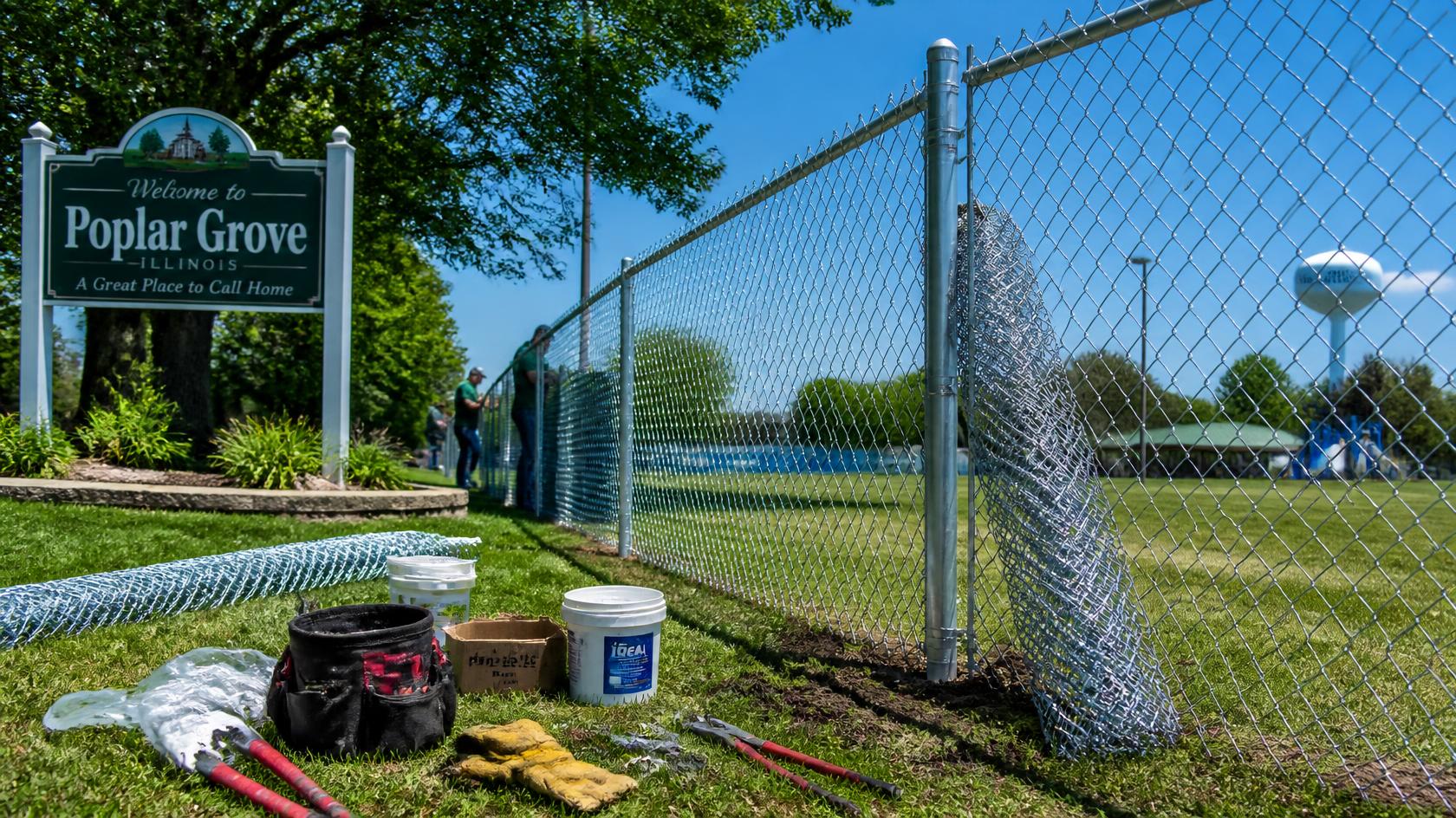
Chain link fence repair can help Poplar Grove homeowners keep yards secure when posts lean, mesh sags, gates stop latching, or gaps develop along the bottom. Regular inspections after wind, rain, snow, and freeze-thaw cycles can help catch small problems before they affect a larger section of the fence.
Why Chain Link Fence Condition Matters
A chain link fence may look simple, but several components work together to keep the yard enclosed.
These include:
Posts
Top rails
Chain link fabric
Tie wires
Tension bands
Gates
Hinges and latches
When one part begins to fail, nearby sections may also become loose.
A leaning post, for example, can reduce fabric tension and affect gate alignment.
For homeowners using the fence for pets, children, or property boundaries, even a small weak spot can become a practical security concern.
Start With a Full Yard Inspection
Walk the entire fence line and look for changes in alignment or tension.
Check for:
Leaning posts
Sagging mesh
Broken tie wires
Bent rails
Rust
Loose fittings
Gate problems
Gaps beneath the fence
Pay special attention to corners, gates, terminal posts, and areas near trees or driveways.
These locations often experience more movement or impact than the middle of a straight fence run.
Repair Leaning Fence Posts
Posts support the rails and fabric, so stability is important.
Common causes of leaning include:
Freeze-thaw cycles
Saturated soil
Erosion
Weak footings
Vehicle or mower impacts
Corrosion
Poplar Grove properties can experience repeated soil movement during northern Illinois winters.
A structurally sound post may sometimes be reset.
Posts that are badly bent, deeply rusted, or unstable at the base usually need replacement.
If several posts are leaning, the problem may extend beyond one isolated repair.
Check Drainage Around the Fence
Water problems can contribute to post movement and ground-level gaps.
Look for:
Standing water
Mud
Soil erosion
Exposed concrete
Low spots
Runoff beneath the fence
Heavy rain and snowmelt can wash soil away from footings.
If the same post keeps shifting, drainage may need attention along with the repair.
Correcting the underlying water issue can help reduce recurring movement.
Tighten Loose Chain Link Fabric
Chain link mesh should stay reasonably tight between terminal posts.
Sagging may happen because of:
Broken tie wires
Loose tension bands
Moving posts
Bent rails
Fallen branches
Snow pressure
If the fabric remains strong, it can often be retensioned.
The supporting posts and rails should be repaired first.
Tightening mesh against a damaged structure may only create more stress.
Replace Damaged Tie Wires and Fittings
Small hardware plays a big role in keeping chain link fabric secure.
Inspect:
Tie wires
Tension bands
Brace bands
Tension bars
Rail sleeves
Bolts
Post caps
Broken or missing tie wires can allow fabric to pull away from the frame.
Loose hardware may sometimes be tightened, while damaged or heavily corroded fittings should be replaced.
These small repairs can help prevent a larger section from loosening.
Repair Bent Top Rails
Top rails help maintain alignment and support the fabric.
They may bend from:
Falling branches
Heavy snow
Lawn equipment
Vehicle contact
Storm damage
A single damaged rail can often be replaced without rebuilding the entire fence.
After the rail is repaired, inspect nearby posts and fabric to make sure the impact did not affect surrounding sections.
Make Gate Repairs a Priority
A secure yard depends on gates that close and latch properly.
Check for:
Sagging
Dragging
Loose hinges
Misaligned latches
Bent frames
Leaning gate posts
If a gate suddenly stops closing correctly, do not assume the latch is the only problem.
A shifting support post may have changed the entire gate alignment.
Repairing the structural cause first can help prevent the same issue from returning.
Check Ground-Level Gaps
Openings beneath chain link fencing can create escape points for pets or weaken the yard boundary.
Gaps may develop because of:
Erosion
Animal digging
Loose fabric
Poor grading
Seasonal ground movement
Possible repairs include:
Restoring soil grade
Retensioning fabric
Adding appropriate bottom support
Correcting drainage
Recurring openings should be investigated instead of repeatedly filled.
Watch for Rust and Corrosion
Metal fence components can weaken when corrosion spreads.
Check:
Post bases
Hinges
Latches
Tie wires
Bolts
Tension hardware
Minor surface rust may be manageable while the metal remains strong.
More serious warning signs include:
Flaking metal
Thinning posts
Brittle mesh
Hardware that breaks easily
Widespread corrosion may make sectional or complete replacement more practical.
Trim Vegetation Around the Fence
Plants can hide developing fence problems.
Vines, shrubs, weeds, and branches may:
Pull on chain link fabric
Trap moisture
Hide rust
Block gates
Make inspections difficult
Keep vegetation reasonably clear from the fence line.
Overhanging branches should also be monitored because strong winds, snow, or ice may cause them to fall onto the fence.
Inspect After Poplar Grove Weather
Weather can create new fence problems throughout the year.
Strong Winds
Check posts, rails, gates, and sections near trees after severe wind.
Heavy Rain
Look for erosion, saturated soil, and new ground-level gaps.
Snow and Ice
Avoid piling heavy snow directly against the fence when practical.
Snow pressure can stretch mesh and stress posts or rails.
Freeze-Thaw Cycles
Check post and gate alignment after winter.
Ground movement may not become obvious until temperatures begin changing.
Prioritize Pet and Yard Security
For homeowners, some repairs deserve quicker attention because they affect daily use.
Prioritize:
Gates that do not latch
Pet escape gaps
Sharp or broken wire
Loose fabric
Unstable posts
A small opening or loose section may be enough for a pet to push through, even when the rest of the fence looks secure.
When Repair Makes Sense
Repair may be practical when:
One or two posts are damaged
One rail is bent
Fabric remains strong
Gate issues are isolated
Hardware damage is limited
Rust affects only small areas
Targeted repair can help extend the life of a fence that remains structurally sound.
When Replacement May Be Better
Replacement may make more sense when:
Several posts are unstable
Chain link fabric is brittle
Corrosion is widespread
Multiple rails are failing
Gates repeatedly need repair
Large sections have lost tension
Sectional replacement may also work when one area is badly damaged but the rest of the fence remains dependable.
Keep Your Poplar Grove Yard Secure
A secure chain link fence depends on stable posts, tight fabric, straight rails, working gates, reliable hardware, and good ground conditions.
Rockford Fence provides residential and commercial chain link fence repair, installation, replacement, security fencing, gates, dumpster enclosures, and other commercial fence solutions.
Contact Rockford Fence for a chain link fence inspection in Poplar Grove, IL. The team can identify damaged sections and recommend practical repair or replacement options based on the condition of the fence.
