Chain Link vs Wood Fence in Milton, WI: Cost, Security & Maintenance
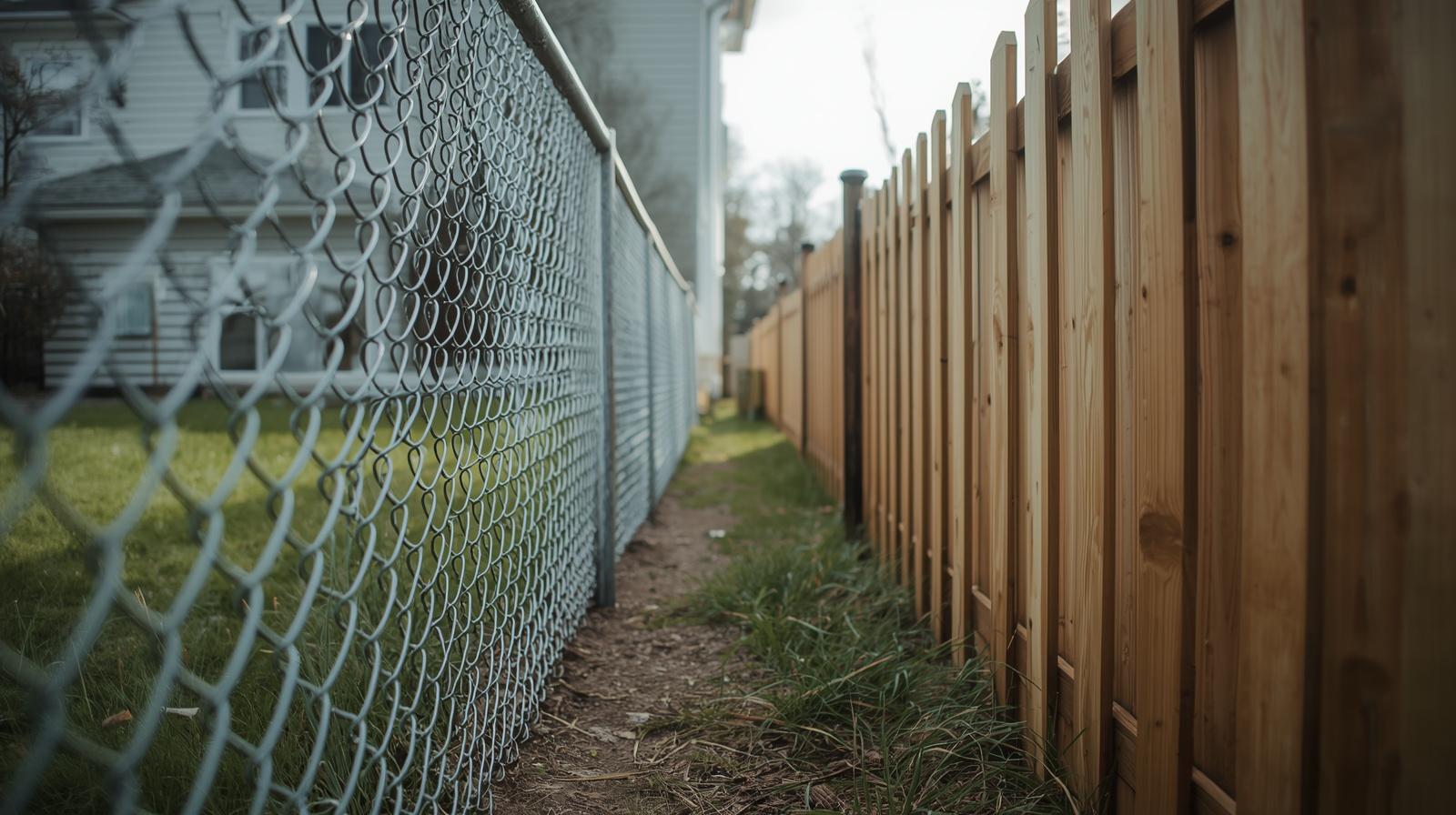
Choosing between chain link and wood fencing in Milton, WI depends on your budget, security needs, privacy goals, maintenance expectations, and property use. Chain link fencing is often practical for visibility, pet containment, commercial security, and larger areas. Wood fencing is often better for privacy, screening, and a more traditional residential look, but it usually requires more upkeep over time.
Why Fence Material Choice Matters
Choosing the right fence material is one of the most important decisions in a fence installation or replacement project. The material affects cost, appearance, security, maintenance, durability, and how well the fence fits the property.
For homeowners in Milton, fence material may be chosen for privacy, pets, backyard safety, curb appeal, or property boundaries. For business owners, property managers, facility managers, and commercial property owners, the decision may focus more on security, access control, parking areas, equipment yards, dumpster enclosures, service areas, and long-term maintenance.
Chain link and wood are both common fence options, but they serve different purposes. The best choice depends on what the fence needs to do every day.
Chain Link Fence Overview
Chain link fencing is a practical option for many residential and commercial properties. It is known for being durable, visible, and cost-effective for larger areas.
Chain link fencing is often used for:
Pet containment
Backyard boundaries
Side yards
Storage areas
Parking lots
Equipment yards
Utility spaces
Dumpster enclosures
Commercial security
Large property lines
Chain link does not provide full privacy on its own, but it creates a clear boundary while allowing visibility through the fence. This can be helpful for security, monitoring, and keeping outdoor spaces open.
Wood Fence Overview
Wood fencing is often chosen when privacy and appearance are top priorities. It can create a solid barrier that blocks views and gives a yard or property a more enclosed feel.
Wood fencing is often used for:
Backyard privacy
Residential yards
Side-yard screening
Pet areas
Outdoor living spaces
Dumpster enclosures
Service area screening
Property boundaries
Wood fences can offer a warm, traditional look, but they require more maintenance than chain link. Moisture, snow, ice, sun, and freeze-thaw cycles can all affect wood over time.
Cost Considerations
Cost is often one of the first questions property owners ask when comparing chain link and wood fencing. The total cost depends on fence length, height, material quality, gates, site conditions, old fence removal, and whether the project is residential or commercial.
Chain Link Fence Cost Factors
Chain link fencing is often more budget-conscious than wood, especially for larger areas. It can be a practical choice when the goal is to cover a long fence line without adding full privacy panels.
Chain link cost may be affected by:
Fence height
Total fence length
Wire gauge
Post size and strength
Top rail
Gates
Privacy slats
Site conditions
Commercial-grade materials
Commercial chain link fencing may cost more than basic residential chain link because it may require taller heights, heavier gauge fabric, stronger posts, larger gates, and more durable hardware.
Wood Fence Cost Factors
Wood fencing can cost more depending on the style, height, privacy level, lumber choice, gates, and layout. A simple wood fence may have a different budget than a tall privacy fence with multiple gates and custom sections.
Wood fence cost may be affected by:
Fence height
Board style
Total length
Post spacing
Gates
Wood type
Removal of old fencing
Site conditions
Privacy needs
Wood can provide strong privacy, but property owners should also consider future maintenance costs.
Security Comparison
Security needs vary from one property to another. A homeowner may need a fence for pets and backyard boundaries, while a business may need fencing to protect equipment, vehicles, or restricted areas.
Chain Link for Security
Chain link is often a strong choice for security because it creates a clear boundary while allowing visibility. This visibility can be helpful for commercial properties because owners, employees, or managers can see through the fence and monitor activity.
Chain link security benefits include:
Clear property boundaries
Visibility through the fence
Practical coverage for large areas
Compatibility with lockable gates
Strong commercial options
Repairable sections
Useful for storage and equipment areas
For commercial properties in Milton, chain link fencing may be used around storage yards, parking lots, utility spaces, equipment areas, and service entrances.
Wood for Security
Wood fencing can also support security, especially when privacy is important. Because wood blocks the view, it can help screen backyards, service areas, or dumpster enclosures.
Wood security benefits include:
Full privacy
Visual screening
Solid barrier
Good backyard separation
Useful for residential spaces
Helpful for hiding service areas
However, because wood blocks visibility, it may not be the best choice for every commercial security need. In some cases, property owners may prefer chain link because it allows better monitoring.
Privacy Comparison
Privacy is one of the biggest differences between chain link and wood fencing.
Chain Link Privacy
Standard chain link fencing is open and visible. This is useful when property owners want airflow, visibility, and a less enclosed feel. However, it does not provide much privacy on its own.
Privacy slats may be added to chain link fencing when some screening is needed. These can help reduce visibility through the fence, but they may not provide the same full privacy as a wood fence.
Chain link may work best when privacy is not the main goal.
Wood Privacy
Wood fencing is often the better option when privacy matters most. A wood privacy fence can block views from neighbors, streets, alleys, parking areas, or public spaces.
Wood may be a good choice for:
Backyards
Outdoor living areas
Pool areas
Pet spaces
Service areas
Dumpster enclosures
Properties near busy roads
For homeowners who want a more private yard, wood is often the stronger choice.
Maintenance Requirements
Maintenance is another major difference between chain link and wood fencing.
Chain Link Maintenance
Chain link fencing is generally lower maintenance than wood. It should still be inspected regularly, especially after storms or winter weather.
Common chain link maintenance needs include:
Tightening loose fabric
Checking posts
Replacing broken ties
Watching for rust
Repairing bent rails
Checking gates and latches
Clearing debris from the fence line
Chain link can develop rust, especially around fittings, gates, and older sections. However, many chain link repairs can be handled in sections if the rest of the fence is stable.
Wood Fence Maintenance
Wood fencing usually needs more maintenance. Wood can be affected by moisture, snow, ice, sun, insects, and seasonal changes.
Common wood maintenance needs include:
Replacing damaged boards
Checking for rot
Watching for warping
Repairing loose panels
Checking posts
Maintaining gates
Addressing storm damage
Staining or sealing when needed
Wood fences can look great, but they require consistent care to stay strong and attractive.
Midwest Weather Considerations
Milton properties deal with Midwest weather throughout the year. Wind, snow, ice, rain, freeze-thaw cycles, rust, storm damage, leaning posts, and gate issues can affect both chain link and wood fencing.
Chain link fences may experience:
Loose fabric after strong winds
Rusted hardware from moisture
Bent rails from branches or impact
Leaning posts from ground movement
Gate misalignment after freeze-thaw cycles
Wood fences may experience:
Rot from moisture
Warping from seasonal changes
Loose boards after wind
Broken panels from storms
Gate sagging
Leaning posts from soil movement
No fence is completely maintenance-free. Proper installation, strong posts, durable hardware, and regular inspections help either material last longer.
Residential Uses
For residential properties in Milton, the right fence depends on how the yard is used.
Chain link may be a good fit for:
Pet containment
Side yards
Garden spaces
Backyards where visibility matters
Budget-conscious fencing
Large yard areas
Wood may be a good fit for:
Privacy
Backyard living spaces
Pet areas that need visual screening
Curb appeal
Noise or view reduction
More enclosed outdoor spaces
Homeowners should think about whether privacy, pets, appearance, or cost matters most.
Commercial Uses
For commercial properties, chain link is often chosen for security, visibility, and practical coverage. Wood is usually used more for screening or appearance.
Chain link may be a good fit for:
Storage yards
Parking lots
Equipment spaces
Utility areas
Service entrances
Fleet vehicle areas
Restricted zones
Wood may be a good fit for:
Dumpster enclosures
Service area screening
Outdoor customer spaces
Mixed-use properties
Areas where appearance matters
Commercial property owners should also consider gate use, access control, maintenance, and weather exposure.
Repair vs. Replacement
If you already have a damaged chain link or wood fence, the question may be whether to repair or replace it.
When Fence Repair May Be Enough
Repair may be practical when:
One or two posts are leaning
A gate needs adjustment
A few boards or panels are damaged
Chain link fabric is loose in one area
A rail is bent
Rust or rot is minor
Storm damage is isolated
The fence still meets your needs
When Fence Replacement May Be Better
Replacement may make more sense when:
Multiple posts are leaning
Wood is rotting in several areas
Chain link fabric is rusted throughout
Gates keep failing
Repairs are becoming frequent
The fence no longer provides privacy or security
The layout no longer works
The fence looks worn or unstable
If the existing fence no longer supports the property’s needs, replacement may provide better long-term value.
Which Fence Is Right for Your Property?
Chain link and wood fencing can both be good choices, but they serve different goals.
Choose chain link if you want:
Lower maintenance
Visibility
Practical security
Pet containment
Large-area coverage
Commercial fencing
Budget-conscious installation
Choose wood if you want:
Privacy
A solid barrier
Traditional appearance
Backyard screening
More enclosed outdoor space
Service area screening
The right fence depends on your property layout, budget, maintenance expectations, security needs, and privacy goals.
Contact Rockford Fence for Fence Installation in Milton, WI
If you are comparing chain link and wood fencing for your home, business, or commercial property, Rockford Fence can help you choose the right option.
Rockford Fence provides fence installation, fence repair, fence replacement, chain link fencing, wood fencing, ornamental fencing, security fencing, gates, dumpster enclosures, and commercial fence solutions for residential and commercial properties.
Contact Rockford Fence for chain link fence installation, wood fence installation, fence repair, or fence replacement in Milton, WI and nearby areas.
