
Commercial Chain Link Fence Cost in Edgerton, WI: Budget Factors for 2026
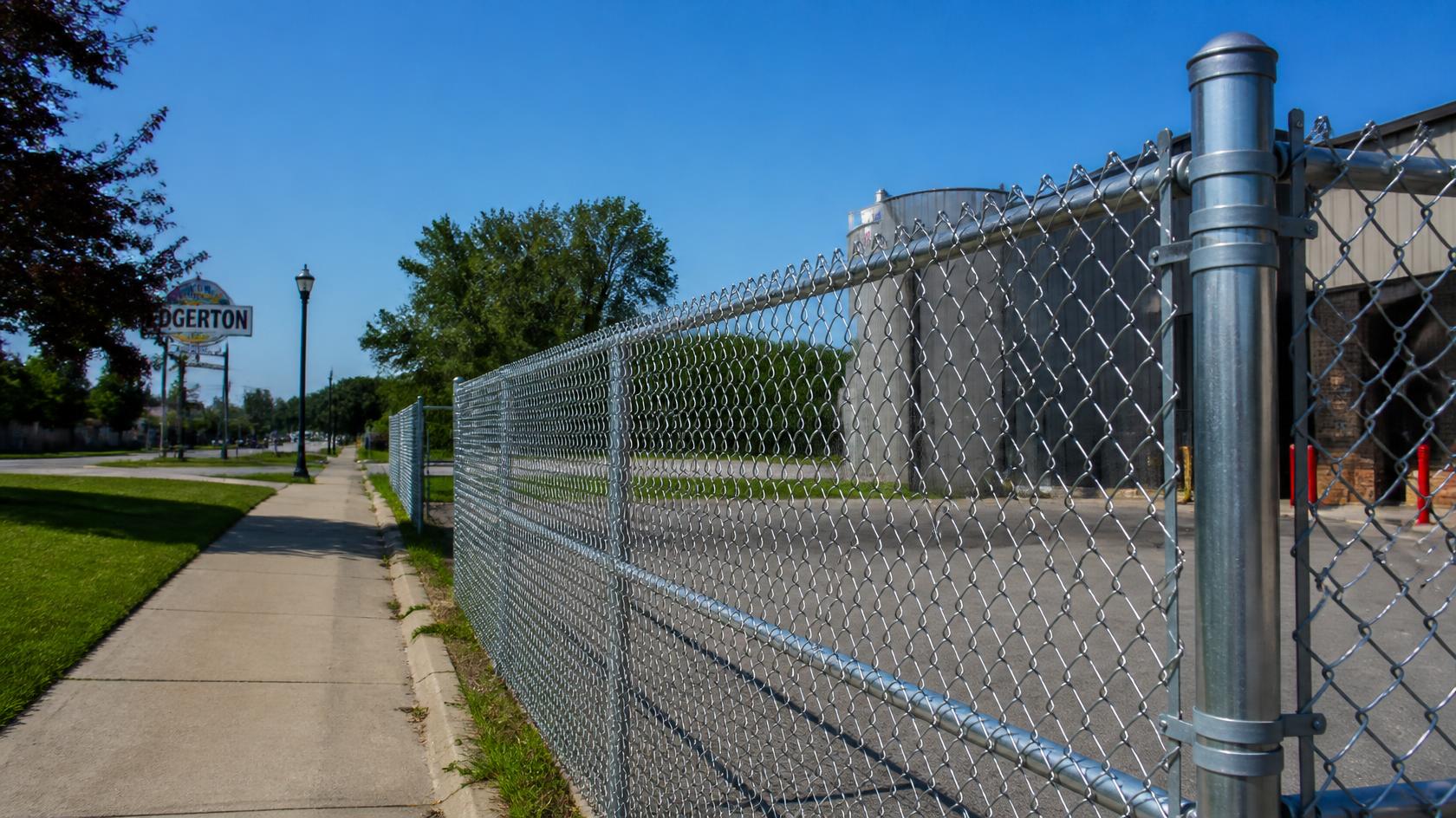
Commercial chain link fence cost in Edgerton depends on footage, height, wire gauge, mesh size, coating, gates, demolition, pavement, ground conditions, and site access. National 2026 cost guides place many installed chain link projects around $8 to $40 per linear foot, but commercial projects can differ substantially based on heavier specifications, larger gates, and site complexity.
Use 2026 Price Ranges as a Starting Point, Not a Quote
Current national cost data provides a useful reference when beginning a commercial fence budget.
Angi's September 2026 data places professionally installed chain link fencing at roughly $8 to $40 per linear foot depending on height and specifications. HomeGuide lists a similar broad range of about $10 to $40 per linear foot installed.
Those numbers should not be treated as a guaranteed Edgerton commercial price.
Many national cost guides include residential projects. Commercial properties may require taller fencing, heavier wire, stronger posts, large vehicle gates, security-focused mesh, or more complicated installation conditions.
A site-specific estimate remains the best way to determine the actual project budget.
Linear Footage Is Only the Beginning
Total fence length directly affects the amount of material and labor required.
Longer commercial perimeters need more:
Chain link fabric
Line posts
Terminal posts
Top rails
Concrete
Fittings and hardware
However, two projects with the same footage can have very different costs.
A straight 500-foot run across accessible ground may be simpler than a shorter perimeter containing several gates, pavement, corners, elevation changes, and demolition work.
Property managers should avoid estimating the entire project from footage alone.
Fence Height Changes the Material Requirements
Height is one of the clearest cost drivers.
National 2026 data shows installed chain link pricing generally increasing as fence height rises. Angi lists broad average ranges from about $8 to $20 per linear foot for four-foot fencing up to approximately $17 to $40 per linear foot for ten-foot fencing.
Commercial applications may require taller fencing depending on the property's purpose.
Examples include:
Equipment yards
Outdoor inventory
Restricted areas
Storage facilities
Industrial properties
Taller fencing means more fabric and longer posts and may require different structural specifications.
The height should match the site's security needs instead of simply choosing the tallest available option.
Wire Gauge Can Change Both Cost and Strength
Not all chain link fabric is the same.
Wire gauge describes the thickness of the wire used to create the mesh. Commercial properties may require heavier material than a typical residential yard.
Angi's 2026 cost data notes that heavier-gauge chain link can cost considerably more than lighter options and identifies heavier wire among the factors that can increase costs for commercial applications.
The appropriate gauge may depend on:
Security requirements
Frequency of contact
Fence height
Expected wear
Location around the property
Using heavier material everywhere may increase the budget unnecessarily, while material that is too light may not fit the demands of a high-use commercial perimeter.
Mesh Size Can Affect a Security Fence Budget
The size of the openings in chain link fabric can also change the price.
Smaller mesh uses more wire and may be selected where additional security is needed.
According to current 2026 cost guidance, reducing mesh size can increase material costs substantially compared with standard chain link openings.
A business may not need smaller mesh throughout the entire property.
It may be more practical to use more security-focused specifications only around selected areas while keeping standard commercial chain link elsewhere.
Galvanized or Coated Chain Link Changes the Price
Finish is another budget consideration.
Standard galvanized chain link is often among the more economical choices, while black or other vinyl-coated systems usually add cost.
For context, 2026 national pricing for black chain link commonly falls around $15 to $45 per linear foot installed, depending on height, gauge, length, and coating specifications.
Coated fencing may be considered where appearance matters or where property managers want a different finish.
The decision should consider both initial cost and how the fence fits the property.
Commercial Gates Can Change the Budget Quickly
The fence itself is only part of many commercial projects.
Vehicle and pedestrian gates can add significant material and labor.
Cost depends on:
Gate width
Swing or sliding configuration
Frame construction
Support posts
Hinges or rollers
Latching hardware
Frequency of use
A wide entrance serving trucks or trailers requires more substantial components than a small pedestrian gate.
Automated or access-controlled gates involve additional equipment and potentially separate electrical or specialized work.
When comparing estimates, make sure gate costs and specifications are clearly identified.
Existing Fence Removal Should Be Included
Replacement projects usually require demolition before new fencing can be installed.
Removal may involve:
Existing chain link fabric
Rails
Posts
Gates
Concrete footings
Old hardware
Current national cost data estimates old chain link removal around $3 to $5 per linear foot in some projects, although actual commercial removal costs vary with footing size, pavement, access, and disposal needs.
Ask whether demolition and disposal are included in the estimate instead of assuming they are part of the installation price.
Pavement Can Increase Installation Complexity
Commercial fences often run through or beside:
Asphalt parking lots
Concrete driveways
Loading areas
Sidewalks
Service entrances
Installing posts through paved surfaces may require additional cutting, excavation, or restoration.
Gate posts placed in pavement can also require more involved preparation.
The percentage of the fence line that crosses paved areas should therefore be considered during budgeting.
A site evaluation can identify these conditions before work begins.
Terrain and Ground Conditions Affect Labor
A level, accessible site generally presents fewer installation challenges than one with difficult terrain.
Budget factors can include:
Slopes
Rocky soil
Tree roots
Mud
Erosion
Saturated ground
Restricted equipment access
Drainage deserves particular attention in Wisconsin.
If water routinely collects around proposed post locations, repeated freeze-thaw conditions can contribute to future movement.
Correcting known ground problems before installation can help protect the new fence.
Corners and Terminal Points Add Structural Work
A commercial fence with many changes in direction may require more substantial posts and hardware than a long straight perimeter.
Corner, terminal, and gate posts carry additional tension.
Properties with:
Multiple enclosed areas
Irregular boundaries
Several gates
Frequent direction changes
may therefore require more materials and labor than footage alone suggests.
A detailed layout makes these costs easier to understand before construction starts.
Site Access Can Affect the Estimate
Installation crews need enough room to move materials and equipment along the fence line.
Cost and scheduling may be affected by:
Active parking lots
Stored inventory
Delivery traffic
Tight working areas
Equipment yards
Limited staging space
Property managers can help prepare by clearing the work zone before installation.
If the business must remain fully operational during construction, the project may also need to be completed in phases.
Fall 2026 Conditions Should Be Part of the Plan
Businesses planning late-season installation in Edgerton should consider how fall conditions may affect the site.
Potential issues include:
Rain
Mud
Shorter daylight
Falling temperatures
Early freezing conditions
Snow approaching later in the season
These factors do not automatically prevent installation, but they make advance planning more important.
Finalizing materials, gates, layout, and site preparation early can help avoid unnecessary delays.
Compare Estimates Using the Same Specifications
A low price means little if the proposals describe different fences.
Compare:
Total footage
Fence height
Wire gauge
Mesh size
Coating
Post specifications
Gates
Demolition
Pavement work
Cleanup
Exclusions
One quote may appear higher because it includes heavier commercial material, wider gates, or removal that another contractor excluded.
Property managers should compare the complete scope rather than only the final number.
Build a Realistic 2026 Chain Link Fence Budget
Commercial chain link remains a practical fencing option for many Edgerton businesses, but project pricing depends heavily on specifications and site conditions.
National 2026 figures can provide a rough starting point, but footage, height, gauge, mesh, gates, removal, pavement, terrain, and access determine the actual commercial project cost.
Rockford Fence provides commercial chain link fence installation, repair, replacement, security fencing, gates, dumpster enclosures, and other commercial fence solutions.
Contact Rockford Fence for a commercial chain link fence estimate in Edgerton, WI. A site-specific evaluation can define the materials, layout, gates, and installation requirements needed for a more accurate 2026 budget.
