Commercial Chain Link Fencing in Poplar Grove, IL: Security & Budget Guide
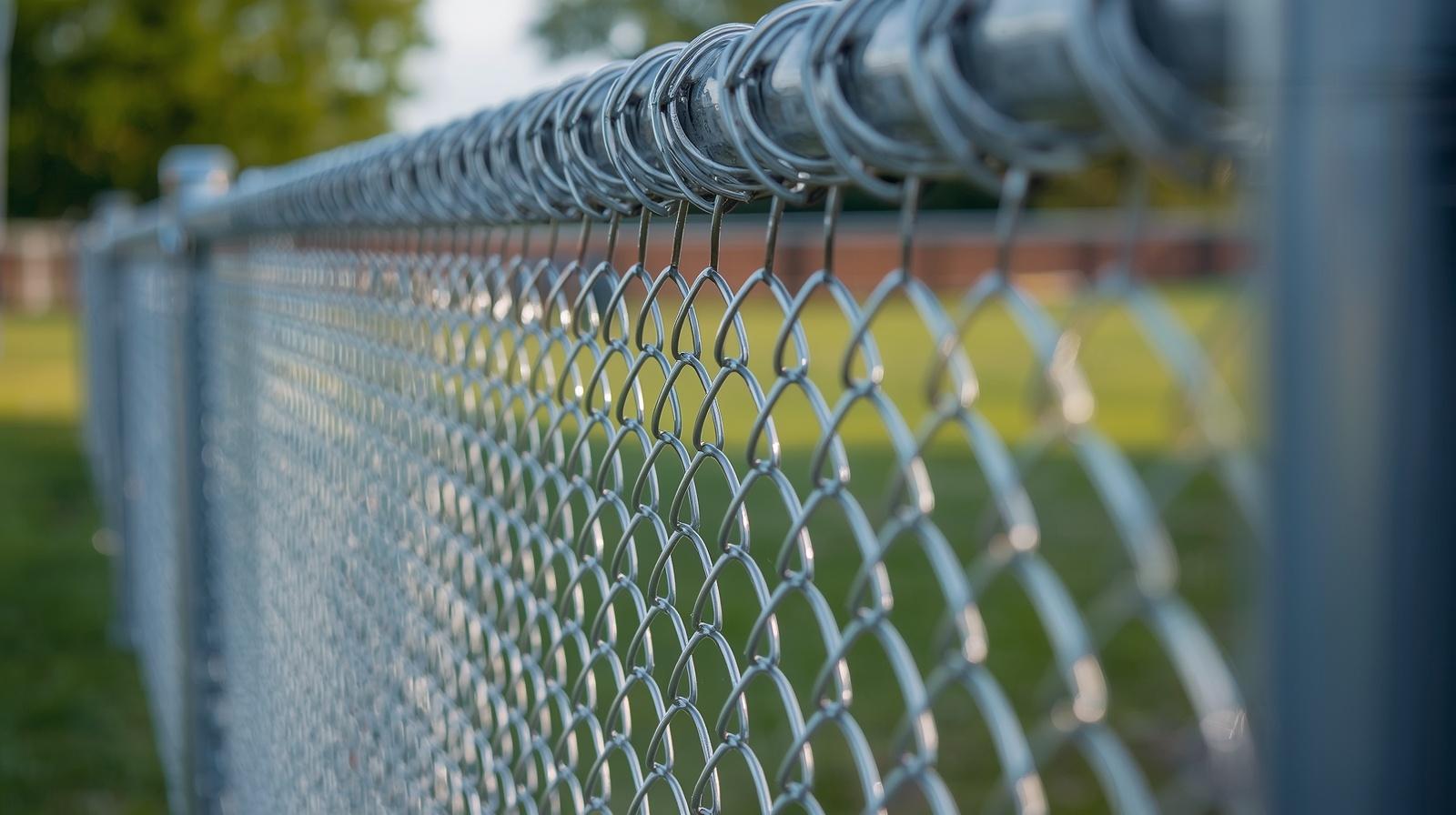
Commercial chain link fencing in Poplar Grove, IL is a practical option for businesses, property managers, and commercial property owners who need security without overspending. Chain link fencing works well for storage yards, parking areas, equipment spaces, dumpster enclosures, gates, and restricted access zones. With proper installation and maintenance, it can provide durable protection against daily use and Midwest weather.
Why Commercial Chain Link Fencing Makes Sense in Poplar Grove, IL
For many business properties in Poplar Grove, security and budget both matter. Property owners need a fence that can protect equipment, define boundaries, control access, and hold up over time without becoming overly complicated or expensive.
That is one reason chain link fencing remains one of the most common commercial fence options. It is practical, durable, visible, and useful for many types of properties. It can be installed around large areas, paired with gates, upgraded for security, and repaired in sections when needed.
Commercial chain link fencing may be used around:
Storage yards
Equipment areas
Parking lots
Industrial properties
Utility zones
Construction sites
Commercial back lots
Dumpster enclosures
Fleet vehicle areas
Restricted service areas
In Poplar Grove, IL, commercial fencing also needs to handle Midwest weather. Wind, snow, ice, rain, freeze-thaw cycles, rust, leaning posts, storm damage, and gate issues can all affect fence performance. A well-planned chain link fence can help reduce long-term repair problems.
Security Benefits of Chain Link Fencing
Security is one of the biggest reasons commercial property owners choose chain link fencing. It creates a clear boundary while still allowing visibility across the property.
Visibility Helps With Monitoring
Unlike solid privacy fencing, chain link fencing allows staff, property managers, or security personnel to see through the fence. This can be useful for monitoring outdoor areas, parking lots, storage spaces, and equipment yards.
Visibility can also help discourage unwanted access because activity inside and outside the fence is easier to see.
Strong Boundary Control
A chain link fence helps show where public access ends and restricted property begins. This is important for businesses that need to separate customer areas from service areas, employee zones, inventory storage, or equipment spaces.
A fence can help reduce confusion and make the property more organized.
Practical Protection for Outdoor Assets
Many commercial properties store valuable items outside. This may include vehicles, trailers, tools, materials, supplies, machinery, or equipment. Chain link fencing can help protect these areas while still keeping the site visible and accessible.
For added security, commercial chain link fencing may include taller fence heights, heavier gauge wire, stronger posts, top rail, lockable gates, or privacy slats where needed.
Budget Advantages of Commercial Chain Link Fencing
Chain link fencing is often selected because it provides strong function at a practical cost. For large commercial areas, it can be more budget-friendly than many other fence materials.
Good Coverage for Large Areas
Commercial properties often need to fence long property lines, large storage yards, or wide parking areas. Chain link fencing can cover these spaces efficiently.
This makes it useful for property owners who need security and boundary control without choosing a more expensive decorative or privacy-style fence.
Repairable in Sections
Another budget benefit is that chain link fencing can often be repaired in sections. If one post leans, one rail bends, or one part of the fabric is damaged, the entire fence may not need to be replaced.
Common chain link repairs include:
Replacing damaged fabric
Fixing bent top rails
Resetting leaning posts
Repairing gates
Replacing hinges and latches
Tightening loose fabric
Replacing rusted fittings
When damage is limited, targeted repair can help extend the life of the fence.
Lower Maintenance Than Some Materials
Compared to wood fencing, chain link fencing usually requires less routine maintenance. It does not need staining or sealing, and it is less likely to warp or rot.
However, it should still be inspected for rust, loose fabric, damaged posts, and gate problems. Regular maintenance can help prevent small issues from turning into costly repairs.
Chain Link Fence Options That Affect Cost
The final cost of commercial chain link fencing depends on several factors. Understanding these details can help property owners plan a realistic budget.
Fence Height
Taller fences usually cost more because they require more material and stronger support. However, height can also improve security.
A lower fence may work for basic boundary control, while a taller fence may be better for storage yards, equipment areas, or restricted access zones.
Wire Gauge
Gauge refers to the thickness of the chain link wire. Heavier gauge wire is stronger and often better for commercial use, especially where security and durability are important.
A lighter gauge may cost less upfront, but it may not be the best option for high-use or high-security areas.
Post and Framework Strength
Posts, rails, and framework are important for long-term performance. A commercial fence should be built with strong enough materials to handle weather, tension, gate use, and possible impact.
Weak posts or poor installation can lead to leaning sections, loose fabric, and repeated repairs.
Gates and Access Points
Gates can affect the budget because they require stronger posts, hinges, latches, and framing. Larger vehicle gates usually cost more than smaller pedestrian gates.
Commercial properties may need:
Single swing gates
Double swing gates
Sliding gates
Pedestrian gates
Lockable gates
Gates for trucks or trailers
Service area gates
Dumpster enclosure gates
The number, size, and type of gates should be planned carefully before installation.
Privacy Slats
Privacy slats can be added to chain link fencing to reduce visibility. They are often used around service areas, dumpsters, storage areas, or parts of the property that need screening.
Privacy slats can improve appearance and privacy, but they may also increase cost and wind load. In windy Midwest weather, posts and framework should be planned accordingly.
Commercial Gate Planning
A chain link fence is only as useful as its gates. Poor gate planning can create access problems, security gaps, and repeated repair needs.
Vehicle Gates
Vehicle gates should be wide enough for daily use. If the property receives deliveries, service trucks, trailers, or maintenance vehicles, gate width and placement matter.
A gate that is too narrow can lead to accidental damage from vehicles or equipment. A gate placed in the wrong location can disrupt traffic flow.
Pedestrian Gates
Pedestrian gates help employees, customers, residents, or maintenance staff move safely through the property. These gates should be placed in areas that make sense for daily foot traffic.
For restricted areas, gate hardware should match the level of security needed.
Common Gate Problems
Commercial gates often wear out faster than the fence itself because they move frequently and carry weight.
Common gate issues include:
Sagging
Dragging
Broken hinges
Loose latches
Bent frames
Rusted hardware
Misalignment
Posts shifting after freeze-thaw cycles
Vehicle or equipment damage
In Poplar Grove, snow and ice can also affect gate clearance. Gates should be planned so they can continue working during winter conditions.
Midwest Weather and Chain Link Fence Durability
Commercial chain link fencing in Poplar Grove needs to stand up to changing weather throughout the year. Even durable fencing can develop problems if it is not installed or maintained properly.
Freeze-Thaw Cycles
Freeze-thaw cycles can shift the soil around fence posts. When the ground freezes, expands, thaws, and shifts, posts may loosen or lean.
This can affect fence tension and gate alignment. Proper post installation helps reduce this risk.
Wind and Storm Damage
Strong winds can damage weak fence sections, especially if privacy slats are used. Falling branches, debris, or storm impact can bend rails or damage fabric.
After major storms, property owners should inspect the fence for leaning posts, loose fabric, bent rails, and gate problems.
Snow and Ice
Snow piles from plowing or shoveling can push against fence sections. Ice can make gates harder to open and close. Over time, this can lead to damaged hinges, latches, and posts.
Commercial properties should keep snow buildup away from gates and fence lines when possible.
Rust and Moisture
Chain link fencing is often galvanized or coated to resist rust, but older fencing and hardware can still corrode over time. Rusted hinges, latches, fittings, and posts should be repaired before they fail.
Repair vs. Replacement for Commercial Chain Link Fencing
Property owners often wonder whether they should repair their chain link fence or replace it. The right answer depends on the condition of the fence and how well it still supports the property’s needs.
When Repair May Be Enough
Chain link fence repair may be practical when damage is limited to one area.
Repair may make sense for:
One or two leaning posts
A bent top rail
Loose chain link fabric
Damaged ties or fittings
A gate that needs adjustment
Minor rust on hardware
Isolated storm damage
Small sections of damaged fabric
Repair is often the more budget-friendly choice when the rest of the fence is still stable.
When Replacement Is Better
Replacement may be the smarter option when the fence has widespread damage or no longer provides enough security.
Consider replacement if:
Multiple posts are leaning
Chain link fabric is rusted throughout
Gates repeatedly fail
The fence is too short for security needs
Repairs are becoming frequent
The layout no longer works
The fence looks worn or unprofessional
The property needs stronger access control
For commercial properties, repeated fence problems can affect security, access, appearance, and daily operations. Replacement may provide a more reliable long-term solution.
How to Get the Most Value From a Chain Link Fence
A commercial chain link fence should be planned for long-term use, not just upfront cost. Choosing the cheapest option may lead to more repairs if the fence is not strong enough for the property.
To get better long-term value, property owners should consider:
Proper fence height for the security need
Heavier-duty materials for commercial use
Strong posts and framework
Durable gate hardware
Smart gate placement
Weather exposure
Future property use
Maintenance and repair access
A well-planned fence can help reduce future repair costs and improve daily function.
Contact Rockford Fence for Commercial Chain Link Fencing in Poplar Grove, IL
Commercial chain link fencing is a practical choice for Poplar Grove business properties that need security, visibility, access control, and budget-conscious durability. Whether you need a new fence, gate installation, fence repair, or full fence replacement, Rockford Fence can help you choose the right solution for your property.
Rockford Fence provides chain link fencing, commercial fencing, security fencing, gates, dumpster enclosures, fence installation, fence repair, and fence replacement for residential and commercial properties.
Contact Rockford Fence for commercial chain link fencing in Poplar Grove, IL and nearby areas.
