
Commercial Fence Cost in Dixon, IL: What Affects a Late-Season Project?
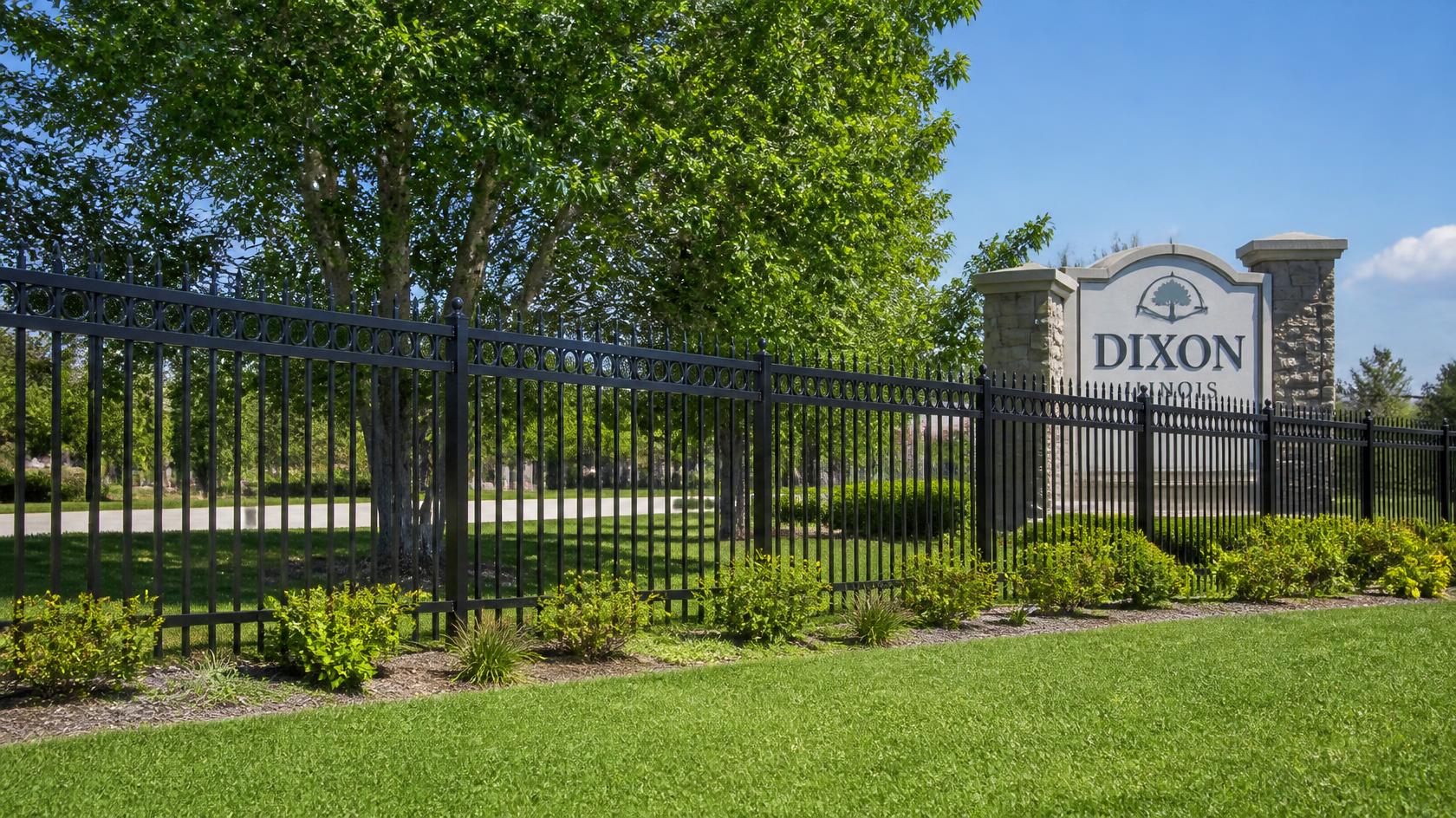
Commercial fence cost in Dixon depends on more than total footage. Material, height, gates, removal work, site access, ground conditions, drainage, pavement, and late-season weather can all affect the project scope. Businesses planning work in fall should review these details early so fewer changes are needed once installation begins.
Why Late-Season Fence Costs Can Vary
Two commercial properties with similar fence lengths can end up with very different project costs.
One may involve a straightforward chain link perimeter on level ground. Another may require demolition, several large gates, work through pavement, restricted access, and repairs to problem areas before new posts can be installed.
Late-season conditions can add another layer of planning because the project may need to work around:
Shorter daylight
Cold temperatures
Rain
Mud
Early snow
Changing ground conditions
The most useful estimate is one based on the actual property and project scope.
Total Fence Length Is Only the Starting Point
Linear footage is one of the main cost factors because longer fence runs require more material and labor.
A larger project generally needs more:
Posts
Rails
Fabric or panels
Fittings
Concrete
Labor
However, footage does not tell the whole story.
A shorter project with several gates, corners, pavement cuts, or difficult access may require more work than a longer fence installed across an open, level area.
When comparing estimates, make sure the proposed footage and layout are similar.
Material Selection Changes the Budget
Commercial properties may use different fence materials depending on security, appearance, visibility, and maintenance needs.
Chain Link Fencing
Chain link is commonly used around:
Equipment yards
Storage areas
Parking lots
Service areas
Large commercial perimeters
Cost can vary with fence height, fabric specifications, coatings, posts, rails, and gate requirements.
Ornamental Fencing
Ornamental fencing may be selected for entrances, offices, customer-facing areas, or other locations where appearance matters along with perimeter control.
Its material and installation requirements differ from chain link.
Some commercial properties use more than one fence type, which can also affect the project budget.
Fence Height and Specifications Matter
Commercial fence height can influence both material use and structural requirements.
Taller fencing may require:
Longer posts
More fence material
Additional support
More installation labor
The appropriate height should be based on how the property is used.
Storage areas, parking lots, customer entrances, and restricted zones may not all need the same specifications.
Applicable local requirements should also be reviewed before finalizing the layout and height.
Gates Can Be a Major Cost Factor
Commercial gates often require more planning than standard fence sections.
Budget can change based on:
Number of gates
Opening width
Pedestrian or vehicle use
Swing or sliding design
Support posts
Hinges or rollers
Latches and locking hardware
A wider vehicle gate generally requires more material and stronger support than a smaller pedestrian opening.
Businesses should size gates around the trucks, trailers, equipment, and service vehicles that actually use the property.
Correct sizing during installation can also help reduce future impact damage.
Existing Fence Removal Adds Work
A replacement project may include more than installing new fencing.
Old materials may need to be removed first, including:
Fabric
Panels
Rails
Gates
Posts
Concrete footings
Hardware
Removal can become more involved when posts are set in substantial concrete or surrounded by pavement.
The estimate should clearly state whether demolition, removal, and disposal are included.
This makes it easier to compare project costs accurately.
Pavement Can Affect Installation
Commercial fence lines often run along asphalt or concrete areas.
Installation through pavement may require additional cutting, excavation, repair, or specialized preparation around post locations.
Areas to review include:
Parking lots
Driveways
Loading areas
Service entrances
Sidewalks
The more of the fence line that passes through paved surfaces, the more important it becomes to define how those areas will be handled before work begins.
Site Access Can Change the Work Required
Installation is generally easier when crews and equipment can reach the full fence line.
Restricted access may require additional handling or planning.
Potential challenges include:
Stored materials
Active loading areas
Tight spaces
Employee parking
Delivery traffic
Equipment operating nearby
Before the project starts, businesses can help by clearing the fence line and identifying where materials can be staged.
A site that is ready for installation can reduce unnecessary interruptions.
Ground Conditions Matter More Late in the Season
Fall weather can make ground conditions less predictable.
Heavy rain may create:
Mud
Soft soil
Standing water
Difficult equipment access
As temperatures drop, frozen or partially frozen ground may also affect installation conditions.
These issues do not automatically prevent a project from moving forward, but they can influence the work involved.
A site review before scheduling helps identify areas that may become more difficult later in the season.
Drainage Problems May Need Attention
If water regularly collects along the proposed fence line, it should be considered before new posts are installed.
Watch for:
Low spots
Erosion
Mud
Standing water
Runoff toward gate posts
Exposed old footings
Dixon properties can experience freeze-thaw conditions that may contribute to movement where soil remains wet.
If drainage correction is necessary, the project scope should clarify whether that work is included or handled separately.
Ignoring a known drainage issue may lead to post movement later.
Corners and Layout Changes Add Complexity
A long, straight fence line is generally simpler than a layout with many turns.
Additional complexity may come from:
Corners
Changes in elevation
Multiple gates
Building clearances
Utility areas
Existing landscaping
Each terminal or corner point may require stronger structural support than a standard line post.
The number and location of these transitions can affect both materials and installation labor.
Security Features Can Increase the Project Scope
Some commercial properties need additional perimeter features.
Depending on the project, that could include:
Taller fence sections
Stronger gate hardware
Controlled entrances
Additional pedestrian gates
Bollards near vulnerable posts
Specialized security layouts
Security upgrades should be based on the property's actual needs.
Adding features without considering how the site operates can increase the budget without necessarily improving daily access or perimeter control.
Late-Season Scheduling Can Affect Planning
A fall fence project may need more coordination than work scheduled during mild summer conditions.
Businesses should prepare for:
Weather-related schedule changes
Shorter working daylight
Wet ground
Early freezing conditions
Snow-removal activity
Late-season projects also benefit from early decisions.
Changing gate sizes, materials, or layout after installation begins can be harder to absorb when the workable weather window is getting shorter.
Finalizing the scope before scheduling helps keep the project more predictable.
Business Access Should Be Included in the Plan
Commercial properties often need to remain operational while fence work is underway.
Discuss:
Which entrances must stay open
Where deliveries should enter
Whether employees need alternate parking
How equipment will move around the site
When gate work will affect traffic
If the property has only one primary entrance, the installation may need to be phased carefully.
Access planning may not change material cost directly, but it can affect how the work is organized.
Compare Quotes by Scope, Not Just Price
A lower total does not always mean the same project is being proposed.
When reviewing estimates, compare:
Total footage
Fence material
Height
Posts and rails
Gate sizes
Removal work
Pavement work
Site preparation
Cleanup
Exclusions
Make sure each quote addresses the same project conditions.
A detailed scope makes it easier to understand why pricing differs and reduces surprises once installation starts.
Plan a Late-Season Commercial Fence Project in Dixon
Commercial fence cost depends on the complete site, not just the number of feet being installed.
Material, gates, demolition, pavement, ground conditions, drainage, access, security requirements, and late-season weather can all affect the project scope.
Rockford Fence provides commercial fence installation, repair, replacement, chain link fencing, security fencing, gates, dumpster enclosures, and other commercial fence solutions.
Contact Rockford Fence to discuss a commercial fence project in Dixon, IL. A site-specific evaluation can help define the scope and identify the factors that may affect a late-season budget.
