
Commercial Fence Cost Planning in Marengo, IL: Materials, Gates and Site Layout
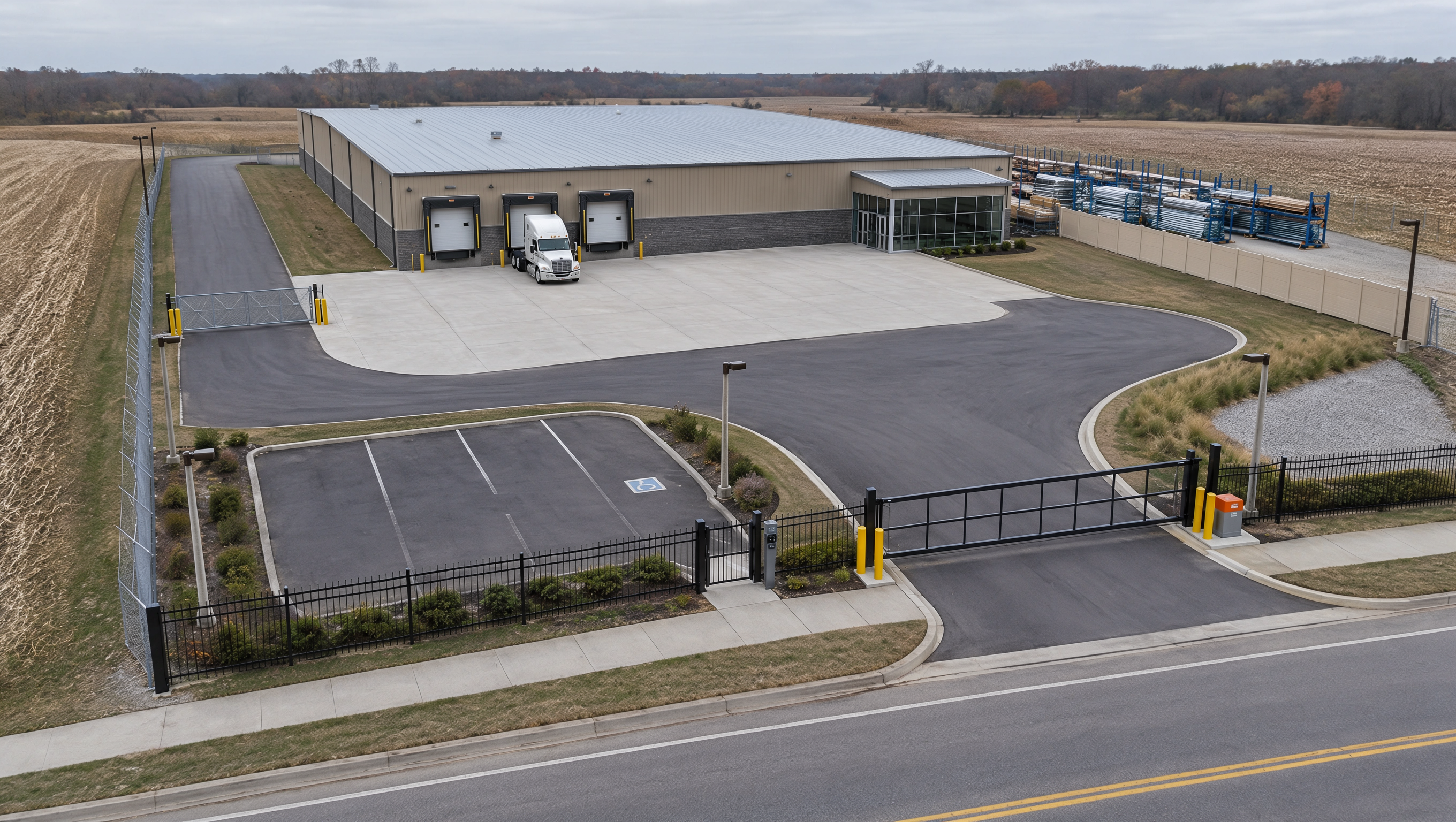
Commercial fence cost planning in Marengo should begin with the complete project scope, not a simple price per foot. Material choice, fence height, gate size, perimeter layout, demolition, pavement, post requirements, and site access can all affect the final budget. A detailed site plan makes it easier to compare estimates and avoid unexpected changes once installation begins.
Start With the Property's Actual Fence Needs
Before building a commercial fence budget, determine which parts of the property really need fencing.
A site may include:
Parking areas
Equipment yards
Outdoor storage
Loading zones
Service entrances
Dumpster enclosures
Customer-facing sections
Not every area necessarily needs the same material, height, or level of security.
Defining the purpose of each section can prevent the project from being overbuilt while still providing appropriate access and perimeter control.
It also gives contractors a clearer scope when preparing estimates.
Total Footage Is Only One Part of the Cost
Fence length matters, but two projects with similar footage can have very different budgets.
The layout may include:
Long straight runs
Multiple corners
Elevation changes
Separate enclosures
Several gate openings
Each change in direction may require additional terminal or corner posts and fittings.
A simple rectangular perimeter can therefore have different installation requirements from a property with numerous interior sections and entrances.
Property managers should review the proposed layout before using footage alone to compare estimates.
Material Choice Shapes the Budget
Commercial properties can use different fence materials depending on function and appearance.
Common options include:
Chain link
Coated chain link
Ornamental metal
Wood in appropriate applications
Chain link is often practical around larger service areas, storage yards, and equipment zones.
Ornamental fencing may be preferred near customer-facing entrances or visible street frontage.
A business can also combine materials.
For example, ornamental fencing may be used around the main entrance while chain link covers side and rear sections.
Using different materials based on location can help balance appearance, security, maintenance, and cost.
Fence Height Changes More Than Material Quantity
Increasing fence height generally means more fence material, but it can also affect supporting components.
Depending on the system, height may influence:
Post specifications
Rail requirements
Gate dimensions
Wind exposure
Installation labor
The appropriate height should be selected based on how each area is used rather than assuming every section needs the same specification.
Businesses should also review applicable local requirements before finalizing the fence design.
Changing the height after the project has already been planned can affect both materials and installation scheduling.
Gates Deserve Their Own Budget Review
Commercial gates can have a significant effect on project cost.
The fence plan may include:
Pedestrian gates
Single swing gates
Double swing gates
Sliding gates
Wide vehicle entrances
A large gate serving delivery trucks is a different project from a basic pedestrian opening.
Gate size can influence:
Frame requirements
Support posts
Hinges or rollers
Latches
Footings
If automation or access control is planned, that adds another layer of equipment and coordination.
The gate requirements should be finalized early rather than treated as a small detail at the end of the estimate.
Gate Width Should Match Real Traffic
Choosing the smallest possible gate is not always the most economical decision over time.
Consider the vehicles that regularly use the property:
Delivery trucks
Trailers
Service vehicles
Forklifts or equipment
Waste-removal trucks
Snowplows
A narrow entrance can lead to repeated contact with posts and gate frames.
If trucks need difficult turns to enter, additional width or a different gate location may provide better long-term value.
Reviewing vehicle movement during planning can prevent future repair costs caused by an entrance that was undersized from the start.
Site Layout Can Increase Installation Complexity
Commercial fence lines often pass through different parts of a property.
One section may cross open soil while another runs beside pavement, drainage areas, or buildings.
Factors that can complicate installation include:
Asphalt
Concrete
Slopes
Restricted equipment access
Existing footings
Drainage problems
Heavy vegetation
A contractor needs to understand these conditions before preparing an accurate scope.
This is why an on-site evaluation is generally more useful than estimating a project only from total footage.
Asphalt and Concrete Should Be Included in Planning
Installing fence posts through paved areas may require additional work.
Possible steps include:
Cutting asphalt
Cutting concrete
Excavation
Post installation
Surface restoration
Property managers should ask whether restoration is included in the estimate.
This is particularly important around parking lots, drive entrances, loading zones, and sidewalks.
Two quotes can appear different simply because one includes pavement work and another lists it separately.
Existing Fence Removal Adds Another Layer
Replacement projects need to account for the old fence before the new one can be installed.
Removal may involve:
Fabric or panels
Rails
Posts
Gates
Hardware
Concrete footings
Large terminal or gate posts may require more demolition than standard line posts.
If old posts run through pavement, removal may also affect the surrounding surface.
Confirm whether demolition, hauling, and disposal are included in the proposed project cost.
Ground Conditions Can Affect Post Work
Commercial fence posts need stable support.
Before finalizing the budget, inspect the fence line for:
Standing water
Erosion
Soft ground
Exposed old footings
Previously leaning posts
Marengo properties can experience freeze-thaw conditions, which makes drainage and soil stability important considerations.
If several old posts have moved in the same area, replacing them without investigating the underlying condition could lead to similar problems later.
Major drainage correction may fall outside the fence installation scope, but it should still be identified during planning.
Vehicle Protection May Be Worth Including
Some locations are more vulnerable to impact than others.
Common examples include:
Gate entrances
Parking lot corners
Loading zones
Dumpster areas
Equipment routes
If the previous fence was repeatedly hit, consider whether the new project should also address traffic protection.
Depending on the property, that may involve:
Bollards
Wheel stops
Wider entrances
Better turning clearance
These additions increase the initial project scope but may help reduce repeat damage in high-traffic areas.
Think About Winter Operations
A commercial fence installed in Marengo also needs to work during snow season.
Review the proposed layout against:
Snowplow routes
Snow-storage areas
Gate swing paths
Sliding gate travel areas
Winter vehicle clearance
Snowbanks can narrow entrances and push vehicles closer to posts.
Heavy snow should also not be routinely stored directly against fence sections.
Planning these details before installation can reduce operational problems after the first snowfall.
Compare Estimates Using the Same Scope
When reviewing multiple commercial fence estimates, compare the details before comparing the totals.
Check whether each proposal includes:
Total footage
Material
Fence height
Posts
Gates
Hardware
Demolition
Pavement work
Site preparation
Cleanup
A lower total may represent fewer gates, lighter specifications, or excluded site work.
Property managers get a clearer comparison when each contractor is pricing the same finished perimeter.
Keep Some Room for Site Conditions
Commercial sites can reveal unexpected conditions after demolition or excavation begins.
Old concrete, buried footing material, unstable soil, or hidden pavement conditions may require adjustments.
A well-prepared scope reduces these surprises, but property managers should still understand which potential changes are covered by the quote and which may require additional approval.
Clear communication before installation makes budget decisions easier if site conditions differ from what was visible during the initial inspection.
Build a Practical Commercial Fence Budget in Marengo
Commercial fence cost planning works best when materials, gates, traffic, site layout, demolition, and installation conditions are considered together.
The goal is not simply to reduce the initial number. It is to build a perimeter that fits how the property operates while avoiding unnecessary features and recurring problem areas.
Rockford Fence provides commercial fence installation, repair, replacement, chain link fencing, security fencing, gates, dumpster enclosures, and other commercial fence solutions.
Contact Rockford Fence to discuss commercial fence planning in Marengo, IL. A site evaluation can help define materials, gate requirements, layout, and site conditions before the project budget is finalized.
