
Commercial Fence Inspection Before Winter in Dixon, IL: What Facility Managers Should Check
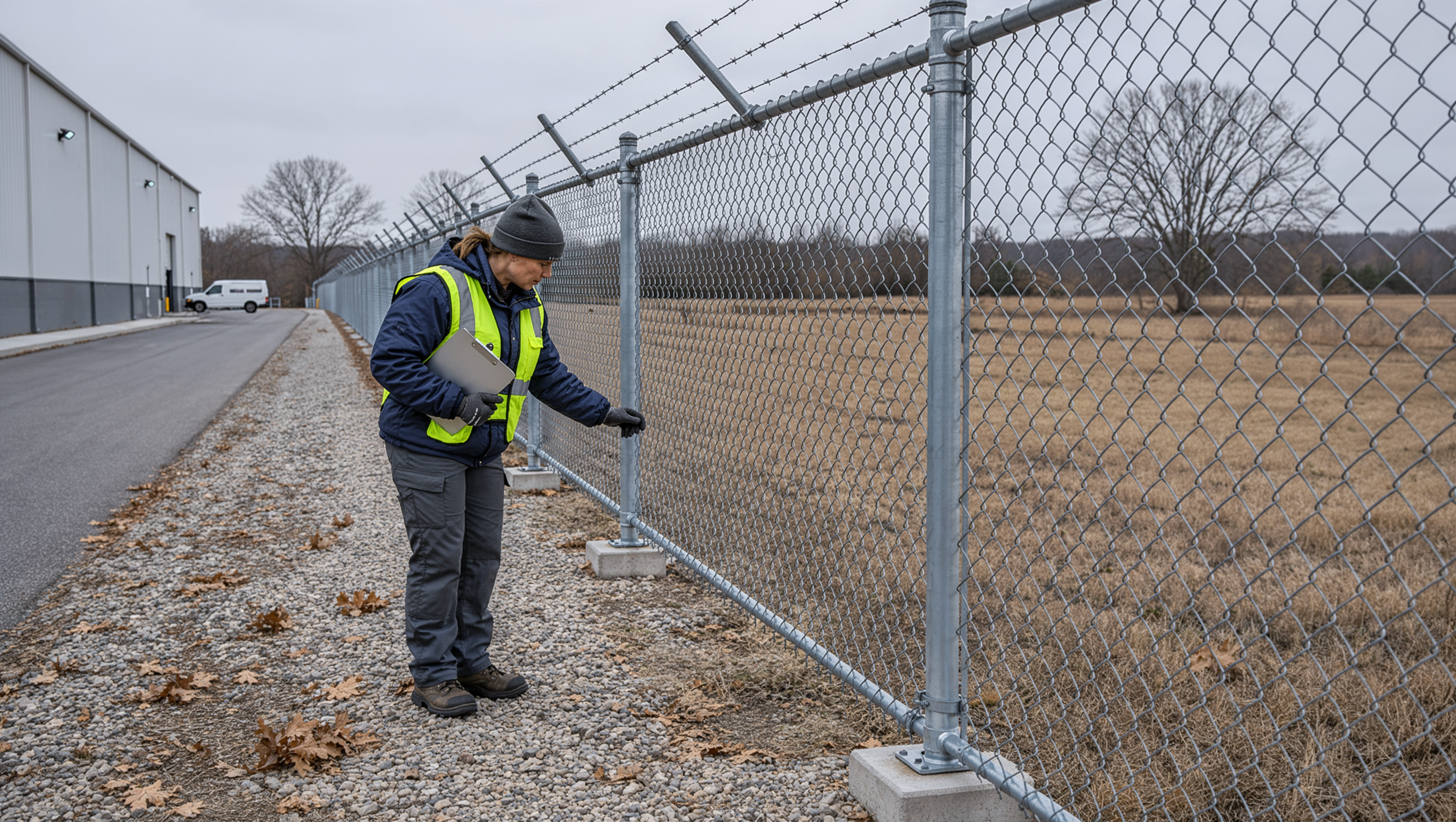
A commercial fence inspection before winter in Dixon helps facility managers identify structural weaknesses, security gaps, and access problems before snow and freezing temperatures complicate repairs. Posts, footings, chain link fabric, gate hardware, drainage, corrosion, and snow-removal areas should all be evaluated. Prioritize issues that could compromise perimeter security or interrupt daily business operations.
Why Commercial Fence Inspections Matter Before Winter
Commercial fencing is exposed to changing weather, vehicle traffic, equipment movement, and regular gate operation throughout the year.
By late fall, small problems may have developed without attracting much attention.
A slightly leaning post, loose connection, or dragging gate may still appear manageable. However, winter conditions can make these existing problems more difficult to address.
For warehouses, industrial facilities, storage yards, and other commercial properties in Dixon, a pre-winter inspection provides an opportunity to schedule necessary repairs before access becomes more challenging.
Divide the Property Into Inspection Zones
Rather than inspecting the entire perimeter as one continuous structure, divide it into manageable sections.
These may include:
Main entrances and exit gates
Employee parking areas
Loading docks and delivery routes
Equipment and storage yards
Dumpster enclosures
Rear and side property boundaries
Record problems according to their location and severity.
This approach makes it easier to communicate repair needs, prepare maintenance budgets, and prioritize sections that directly affect security or business operations.
Photographs can also provide a useful reference when monitoring fence movement throughout winter.
Inspect Posts for Structural Instability
Fence posts support the surrounding fabric, rails, panels, and gates.
Look for visible signs of movement, including leaning posts, bent metal, exposed concrete, and separation between the footing and surrounding soil.
Terminal and Corner Posts
Terminal and corner posts help maintain tension across chain link fence runs.
Movement at these locations can affect several connected sections rather than one isolated area.
Check whether tension hardware remains secure and whether nearby chain link has started sagging.
Line Posts
Line posts provide support between terminal and corner posts.
One damaged line post may require a localized repair, while several leaning posts could indicate broader soil instability, drainage problems, or previous vehicle damage.
Gate Posts
Gate posts carry additional weight and repeated movement.
Even slight instability can change gate alignment, reduce ground clearance, and interfere with locking hardware.
These posts should receive particular attention at frequently used entrances.
Examine Soil Conditions and Drainage
Northern Illinois weather can bring periods of rain, snow, freezing temperatures, and subsequent thawing.
In Dixon, facility managers should review areas where water regularly collects around fence footings.
Common concerns include:
Standing water near posts
Soil erosion beneath the fence
Runoff from parking lots
Exposed concrete footings
Soft or disturbed ground
Freeze-thaw cycles can contribute to ground movement and worsen existing footing instability.
If a fence section repeatedly develops leaning posts, the surrounding drainage conditions should be evaluated before structural repairs are completed.
Inspect Chain Link Fabric and Bottom Edges
Commercial chain link fencing should remain securely attached to its supporting structure.
Walk each section and check for torn wire, excessive sagging, distorted openings, broken ties, and fabric separating from posts.
Pay particular attention to the lower edge of the fence.
Erosion, settlement, or loose fabric may create openings that weaken perimeter control.
These problems are easier to identify before snow accumulates along the fence line.
If the chain link remains structurally sound, repairs may involve replacing hardware or restoring tension. Damaged posts and rails should be corrected before the fabric is retensioned.
Review Rails and Structural Connections
Top rails help maintain alignment across chain link fence sections.
Inspect them for bending, separated joints, loose sleeves, and damage caused by vehicles or falling branches.
Smaller connection components should also be reviewed, including:
Tension bars and bands
Brace bands
Tie wires
Rail fittings
Bolts and fasteners
Missing or damaged hardware can gradually affect fence stability.
When surrounding posts and fabric remain usable, replacing individual rails or fittings may restore the section without requiring extensive replacement.
Check Ornamental Fencing and Solid Panels
Commercial properties may use ornamental metal fencing or solid panels around office entrances, service areas, and customer-facing boundaries.
Inspect ornamental fencing for bent pickets, damaged brackets, cracked welds, and deteriorating protective coatings.
For wood fencing or solid privacy sections, look for loose boards, weakened rails, rot, and unstable connections.
Solid fencing can experience greater wind pressure than open chain link systems, making stable posts and secure panel connections especially important before winter storms.
Damaged sections should be evaluated according to their material and structural condition.
Test Commercial Gates Under Normal Operating Conditions
Gates should be inspected while operating, provided they appear safe to use.
Observe whether each gate opens and closes smoothly without unusual resistance.
Common warning signs include dragging, sagging, grinding, shaking, incomplete closure, and difficulty locking.
Swing Gates
Inspect hinges, mounting hardware, gate frames, and the full opening arc.
A sagging gate may have worn hinges, but unstable support posts should also be considered.
Remove stored materials and other obstacles from the swing area.
Sliding Gates
Review rollers, guides, stops, and tracks where applicable.
Clear debris from the travel path and identify any mechanical resistance that may require repair.
For automated gates, problems involving electrical components, operators, or safety sensors should be evaluated by qualified personnel. Safety devices should never be bypassed.
Examine Locks and Access Hardware
A commercial gate should reach its normal closing position without being lifted, slammed, or forced sideways.
Inspect locks, latches, strikes, handles, stops, and related fasteners.
If the locking hardware no longer aligns correctly, determine whether the gate frame or support posts have shifted.
Repeatedly adjusting a latch may only provide temporary improvement when structural movement is the underlying cause.
Reliable closure is particularly important around equipment yards, restricted areas, and outdoor storage facilities.
Look for Corrosion Before Winter Exposure Increases
Metal fencing can experience additional exposure to moisture and deicing salts during colder months.
Inspect vulnerable components such as post bases, gate frames, hinges, rails, welded connections, and bolts.
Light surface rust may be manageable with appropriate maintenance.
More concerning signs include:
Deep pitting
Flaking metal
Holes in posts
Thinning structural components
Brittle wire
Deteriorated welds
Components that have lost significant structural strength may require replacement rather than cosmetic treatment.
Review Vehicle Traffic and Snowplow Routes
Commercial fencing near active vehicle routes is more susceptible to accidental impact.
Inspect areas around loading docks, parking lot corners, delivery gates, dumpster enclosures, and equipment routes.
Bent posts, scraped coatings, disturbed footings, and damaged rails may indicate previous vehicle contact.
If damage repeatedly occurs in the same location, consider whether additional turning clearance, bollards, wheel stops, or revised traffic routing could help protect the fence.
Snow-removal crews should also understand where fence lines and gate components are located before winter operations begin.
Establish Safe Snow-Storage Areas
Snow placement should be included in the facility's winter maintenance plan.
Avoid routinely pushing heavy snow against fence fabric, rails, panels, posts, or gates.
Accumulated snow can place pressure on weakened sections and interfere with gate movement.
Designate snow-storage areas that preserve:
Vehicle entrance width
Pedestrian access
Swing gate clearance
Sliding gate travel paths
Driver visibility
Coordinating snow removal with the existing fence layout can help reduce avoidable damage and operational interruptions.
Create a Prioritized Winter Repair Schedule
Once the inspection is complete, organize maintenance findings according to urgency.
Immediate Repairs
Address unsecured gates, unstable structural posts, significant perimeter openings, severely damaged panels, and advanced corrosion.
Preventive Maintenance
Schedule repairs for loose fittings, minor rail damage, worn gate hardware, and early drainage concerns.
Continued Monitoring
Document minor cosmetic deterioration and stable sections that do not currently require structural work.
If several connected components are failing, consider whether sectional replacement would provide a more dependable solution than repeated individual repairs.
Schedule Your Commercial Fence Inspection in Dixon, IL
A pre-winter commercial fence inspection helps facility managers identify maintenance needs before freezing weather, snow accumulation, and changing ground conditions complicate access.
Rockford Fence provides commercial fence repair, installation, replacement, chain link fencing, ornamental fencing, security fencing, gates, and dumpster enclosure solutions.
Contact Rockford Fence for commercial fence service in Dixon, IL. A professional evaluation can help determine which repairs should be prioritized and which sections may benefit from replacement before winter places additional demands on your property's perimeter.
