
Commercial Fence Installation Before Winter in Marengo, IL: Is October Too Late?
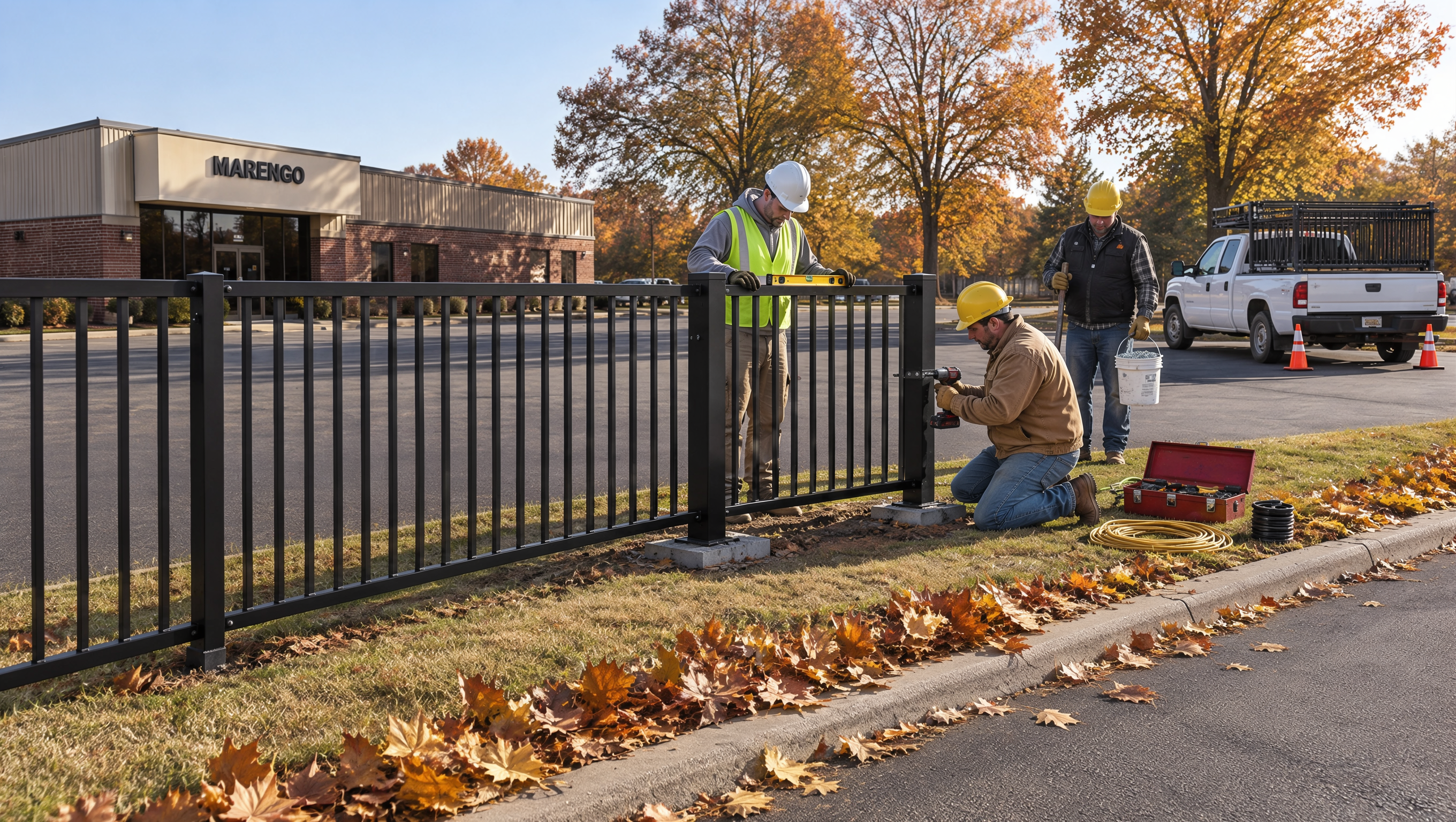
October is not automatically too late for commercial fence installation in Marengo, IL. Many projects can still move forward in fall when the layout, materials, gates, site preparation, and access plan are ready. The biggest concerns are changing weather, wet ground, shorter daylight, project complexity, and how quickly winter conditions arrive.
October Can Still Be a Practical Installation Month
Businesses sometimes assume that fence installation has to stop once fall is well underway.
That is not necessarily the case.
Commercial fence work can often continue in October when site conditions remain workable and the project has been planned properly.
The more important questions are:
Is the project scope finalized?
Are materials available?
Is the fence line accessible?
Are ground conditions suitable?
Are gates and entrances clearly planned?
Can the business accommodate the work?
A straightforward project with a prepared site may be easier to complete than a larger replacement project that still has unresolved layout or demolition issues.
Project Size Makes a Difference
Not every commercial fence installation requires the same amount of time or preparation.
A smaller project around an equipment area may involve relatively few posts and one gate.
A larger commercial perimeter may include:
Long fence runs
Multiple corners
Several vehicle gates
Pedestrian gates
Existing fence removal
Pavement work
Security sections
The larger and more complicated the project, the more important early scheduling becomes.
If October installation is the goal, businesses should avoid making unnecessary design changes after the project has already been planned.
Finalize the Layout Before Crews Arrive
Late-season projects benefit from having the fence layout settled before installation begins.
Confirm how the fence will interact with:
Buildings
Parking areas
Loading zones
Outdoor storage
Equipment yards
Walkways
Vehicle entrances
Applicable property requirements should also be reviewed before final placement.
Waiting until installation day to decide where a gate should go or whether a fence line needs to move can slow the project significantly.
Fall schedules have less flexibility than projects started earlier in the year, so unresolved layout questions should be handled in advance.
Gate Planning Can Affect the Schedule
Commercial gates often require more planning than standard fence sections.
Before installation, determine:
Gate width
Swing or sliding configuration
Vehicle clearance
Support post locations
Pedestrian access
The gate should accommodate the largest vehicles that regularly use the property.
This may include delivery trucks, trailers, service vehicles, equipment, or snowplows.
A narrower opening may require less material, but it can create traffic and impact problems later.
October installation should still focus on building the correct entrance rather than rushing into a layout that does not fit daily operations.
Existing Fence Removal Can Add Time
Replacement projects may require demolition before new installation can begin.
Old fencing may include:
Chain link fabric
Rails
Panels
Posts
Gates
Concrete footings
Posts installed through asphalt or concrete may take additional work to remove.
Large gate and terminal posts can also have substantial footings.
Before scheduling a late-fall replacement, make sure the estimate clearly addresses demolition and disposal.
Knowing the removal scope helps property managers understand how much work needs to happen before the new fence can go in.
Wet Ground Can Slow Site Work
October weather can bring periods of rain.
Wet ground does not automatically prevent fence installation, but saturated soil, standing water, or muddy access can make work more difficult.
Inspect the proposed fence line for:
Standing water
Erosion
Soft soil
Mud
Runoff
Low areas
These conditions are particularly important around gate and terminal posts.
If an old fence has repeatedly leaned in a wet area, installing new posts without considering the drainage problem may lead to similar movement later.
Late-season installation should not mean ignoring site conditions just to finish before winter.
Freeze-Thaw Conditions Matter
As temperatures begin dropping, businesses should also consider the condition of the soil around planned post locations.
Marengo can experience freeze-thaw conditions during the colder part of the year.
Posts need stable support regardless of installation season.
Areas with recurring moisture or erosion deserve attention before new posts are installed.
If significant site work is required, the fence contractor and property manager may need to determine whether it can be completed efficiently before colder conditions become more consistent.
Clear the Fence Line Early
Site preparation can make a major difference when daylight and workable weather are becoming more limited.
Before installation, move:
Pallets
Stored materials
Equipment
Branches
Temporary structures
Debris
Crews need room to access post locations and move fence materials.
If certain sections cannot be cleared, identify them before the scheduled start.
Finding unexpected obstacles during installation can lead to delays that could have been avoided with an earlier site walkthrough.
Pavement Requires Additional Planning
Commercial fences often cross or run beside asphalt and concrete.
Posts may need to be installed around:
Driveways
Parking lots
Loading areas
Sidewalks
Hard surfaces can require cutting, excavation, and later restoration.
These steps should be included in the installation plan before work starts.
If an existing fence is being removed, old footings may also need to be taken out before new post locations are prepared.
The quote should clearly identify how these areas will be handled.
Keep Business Access in the Plan
Late-season installation should not create avoidable disruption.
Before work begins, identify entrances that must remain available for:
Employees
Customers
Deliveries
Equipment
Waste removal
A large project may need to be completed in stages.
For example, crews can sometimes install one portion of the perimeter while the existing main entrance remains usable.
Once the new section is secure, work can move to another area.
Planning the sequence before demolition or excavation starts can help the property continue operating.
Prepare the New Fence for Winter Operations
An October project should be designed with winter immediately in mind.
Review:
Snowplow routes
Snow-storage locations
Swing gate clearance
Sliding gate travel paths
Vehicle turning space
Avoid designing entrances where snow will regularly be piled against gates or posts.
Heavy snow placed directly against chain link fabric or other fence sections can add unnecessary pressure.
Snowbanks can also reduce usable gate width.
Thinking about these conditions before installation can help the new perimeter perform better during its first winter.
Weather Can Affect the Exact Installation Date
Fall weather becomes less predictable as the season progresses.
Potential schedule factors include:
Heavy rain
Strong winds
Mud
Colder temperatures
Shorter daylight
These conditions do not mean that every October project must be postponed.
They do mean that scheduling should leave some flexibility.
A property that already has its layout, materials, demolition plan, and access needs settled is easier to manage if weather temporarily changes the work schedule.
Is It Better to Wait Until Spring?
Sometimes waiting may be practical, especially if the project still requires major site work or design decisions.
However, delaying can also mean carrying existing fence problems through another winter.
Consider the condition of the current perimeter.
Waiting may be less desirable when:
Gates no longer close securely
Several posts are unstable
Chain link has major openings
Vehicle damage has weakened an entrance
Security around outdoor storage is compromised
Temporary repairs may sometimes help, but serious security or access problems should be evaluated rather than automatically postponed until warmer weather.
October Is Not Too Late When the Site Is Ready
The calendar alone does not determine whether a commercial fence project can move forward.
Project size, materials, weather, ground conditions, demolition, gates, and site readiness all matter.
A well-prepared October installation may be more practical than delaying a necessary project without first evaluating the property.
Rockford Fence provides commercial fence installation, repair, replacement, chain link fencing, security fencing, gates, dumpster enclosures, and other commercial fence solutions.
Contact Rockford Fence to discuss commercial fence installation in Marengo, IL. A site evaluation can help determine whether the project is ready for fall installation and what should be completed before winter arrives.
