
Commercial Fence Installation in Clinton, WI: Cost & Timeline (2026)
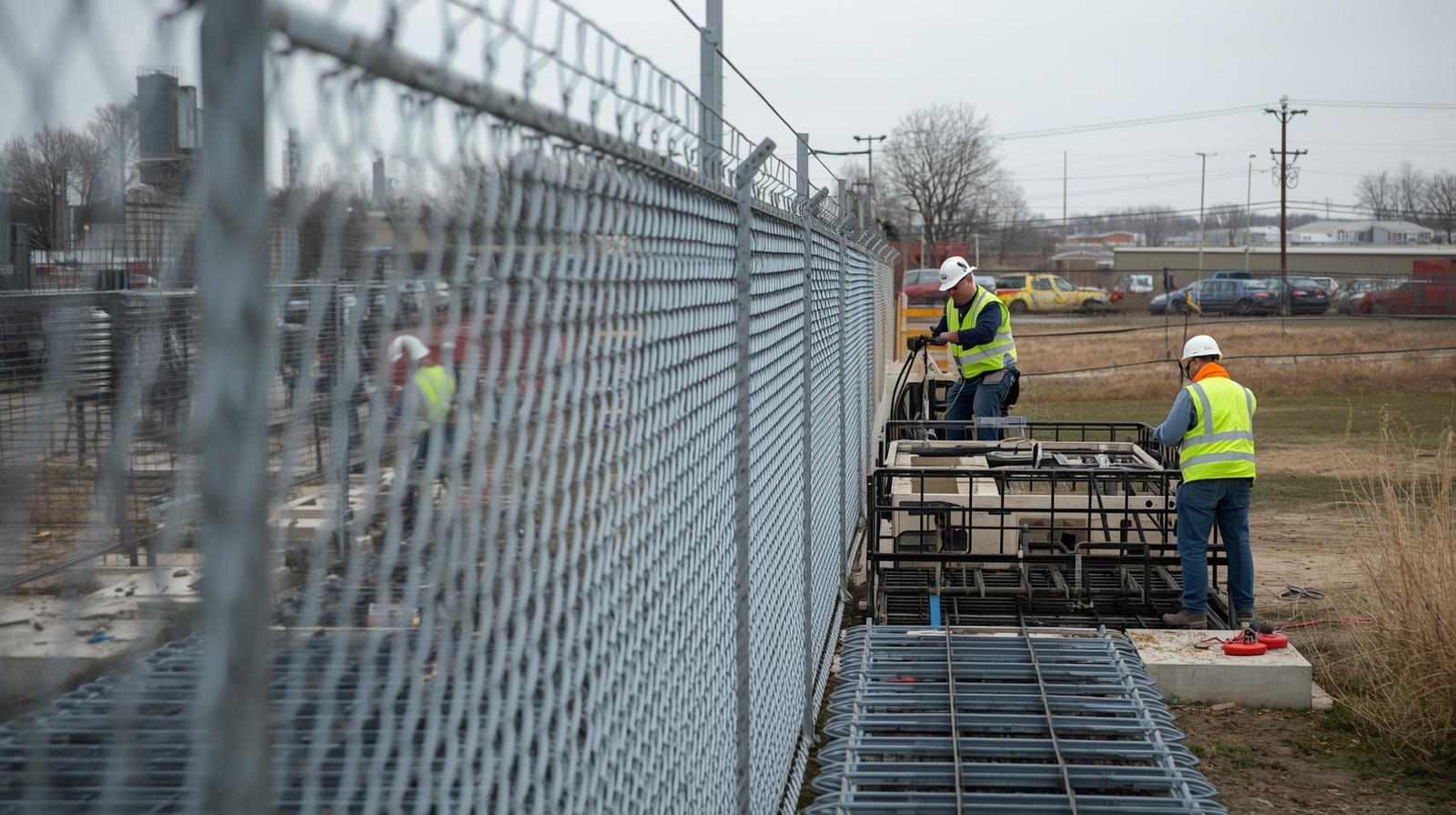
Commercial fence installation in Clinton, WI requires planning around security needs, site access, material durability, gates, permits, utilities, and business downtime. Most commercial projects in 2026 are priced by linear foot, material type, height, gate systems, access control, and site conditions.
For businesses, the right fence can improve asset protection, control entry points, reduce liability, and support long-term ROI in Midwest weather.
Why This Matters for Properties in Clinton, WI
Commercial fencing is a business investment, not just a property improvement. For warehouses, equipment yards, multi-family buildings, schools, industrial sites, and construction areas, a fence helps control access and protect valuable assets.
In Clinton, WI, businesses may need fencing to secure vehicles, inventory, loading zones, dumpsters, employee areas, or outdoor storage. A weak or poorly planned fence can create security gaps, insurance concerns, liability risks, and repeat repair costs.
Midwest weather also affects performance. Freeze-thaw cycles, snow, ice, wind, and moisture can damage posts, gates, hardware, and fence materials over time. A commercial fence should be designed for durability, daily use, and site-specific security needs.
Best Fence Options for Commercial & Industrial Sites
The best fence depends on how the property is used, how much security is needed, and how the site handles traffic.
Chain Link Fence
Chain link is one of the most common choices for commercial fence installation in Clinton, WI. It is cost-effective, practical, and works well for large perimeters.
Best for:
Warehouses
Storage yards
Construction sites
Utility areas
Industrial properties
Equipment lots
Security upgrades may include taller heights, heavier gauge mesh, privacy slats, barbed wire where allowed, bottom tension wire, and stronger posts.
Ornamental Steel Fence
Steel fencing is a strong option for businesses that need security with a cleaner appearance. It is often used for offices, schools, municipal properties, commercial entrances, and multi-family sites.
Steel provides strength and curb appeal, but the coating and installation quality matter in Midwest weather.
Aluminum Fence
Aluminum works well for lower-risk commercial areas where appearance and corrosion resistance matter. It is lighter than steel and requires less maintenance.
Best for:
Office properties
Apartment communities
Pool areas
Front-facing commercial areas
Light-use access zones
It may not be the best choice for heavy industrial impact areas.
Anti-Climb Fence
Anti-climb fencing is designed for higher security. It helps reduce footholds and creates a stronger barrier against trespassing.
Best for:
Schools
Utility sites
Restricted areas
Manufacturing facilities
High-value storage zones
Screening Fence
Wood, vinyl, or privacy-style fencing may be used for screening dumpsters, service areas, outdoor seating, or certain multi-family spaces. These materials are usually better for privacy than high-security use.
Installation or Repair Process (Step-by-Step)
Step 1: Site Review
A commercial project should begin with a site walkthrough. The contractor should review the property layout, fence line, access points, slopes, drainage, pavement, existing posts, traffic flow, and security concerns.
This helps identify where fencing, gates, and access control should be placed.
Step 2: Security and Use-Case Planning
The fence should match how the business operates. A warehouse may need a large vehicle gate and secure outdoor storage. A school may need controlled pedestrian access. A construction site may need temporary or semi-permanent perimeter control.
Planning should answer:
What areas need restricted access?
Where do vehicles enter and exit?
Are there delivery trucks or forklifts?
Is visibility or privacy more important?
Will gates need automation?
Are employees, tenants, or visitors using the site daily?
Step 3: Material and Gate Selection
After the site review, the contractor should recommend materials, height, post strength, gate type, and hardware. Gates are especially important because they are often the most-used part of a commercial fence system.
Manual gates may work for low-traffic areas. Automated gates, keypads, card readers, or access control systems may be better for busy commercial properties.
Step 4: Permits, Utilities, and Property Lines
Before digging, utilities should be marked. Property lines, easements, right-of-way areas, and local permit requirements should also be reviewed.
Commercial fence installation in Clinton, WI may require coordination depending on height, location, zoning, gates, and site use. Business owners should confirm requirements before work begins.
Step 5: Installation Scheduling
Commercial fencing may need to be scheduled around deliveries, employee parking, tenant access, school hours, or jobsite activity. If the project involves replacing an existing fence, temporary security may be needed during removal and installation.
Step 6: Fence Installation
Installation includes removing old materials if needed, setting posts, installing fabric or panels, hanging gates, adding hardware, and checking alignment. In Midwest climates, post depth and concrete work are important for long-term stability.
Step 7: Final Walkthrough
The final walkthrough should confirm fence alignment, gate function, latch security, access points, hardware quality, and any unfinished site concerns.
What This Typically Costs in Clinton, WI (2026 Pricing)
Commercial fence pricing depends on the project size, material, height, gates, security upgrades, and site conditions. For 2026 planning, many commercial fence projects fall into these ranges:
Commercial chain link fence: $30–$65+ per linear foot
Heavy-duty chain link fence: $45–$90+ per linear foot
Ornamental steel fence: $65–$140+ per linear foot
Aluminum commercial fence: $55–$110+ per linear foot
Anti-climb security fence: $75–$160+ per linear foot
Manual commercial gates: $1,500–$6,000+ each
Automated gates/access control: $6,000–$25,000+ depending on system
Fence removal and disposal: $5–$20+ per linear foot
Top cost drivers include:
Fence height
Taller fences require more material, stronger posts, and additional labor.Material type
Heavy-duty chain link, steel, aluminum, and anti-climb systems have different price points.Site conditions
Slopes, poor drainage, asphalt, concrete, rock, old footings, and limited access can increase labor.Gates
Vehicle gates, cantilever gates, swing gates, pedestrian gates, and custom openings affect cost.Access control
Keypads, card readers, gate operators, safety loops, and electrical coordination add to the budget.Security upgrades
Privacy slats, reinforced posts, heavier gauge fabric, anti-climb mesh, and barbed wire where allowed increase cost.Removal or repair work
Old fence removal, damaged posts, concrete bases, and disposal can change the final estimate.
Permits, Compliance & Site Planning Notes
Before starting commercial fence installation in Clinton, WI, businesses should review permit and zoning requirements. Rules may vary depending on fence height, property use, location, and whether gates or access control are included.
Common planning items include:
Permit requirements
Property lines
Easements
Utility markings
Drainage areas
Sidewalks and right-of-way
Driveway visibility
Emergency access
Gate swing or slide clearance
A fence should not block required access, create visibility hazards, or interfere with utilities. If the site has easements, the layout may need gates, removable sections, or adjusted fence lines.
Best Materials for Security & Longevity in Midwest Weather
Commercial fences in Wisconsin need to handle snow, wind, ice, moisture, and freeze-thaw movement. Material quality and installation method both affect lifespan.
Chain link is practical for large commercial properties. It offers visibility, flexible security upgrades, and strong cost control. For industrial durability, heavier gauge mesh and stronger framework are often worth the investment.
Steel is best for strength, security, and appearance. It works well for entrances, schools, office sites, and commercial properties where the fence needs to look professional while staying durable.
Aluminum resists rust and works well for light commercial sites, apartment communities, and lower-risk areas. It is not as strong as steel but can be a good low-maintenance option.
Anti-climb fencing is ideal for higher-security properties. It provides a more restrictive barrier while still allowing visibility across the site.
For Clinton, WI businesses, the best long-term value usually comes from matching the fence system to the site’s actual risks, traffic, and weather exposure.
Repair vs Replacement for Businesses
Repair may make sense when the damage is limited and the fence still meets the property’s security needs.
Repair may be enough if:
One section is damaged
Posts are mostly stable
Gates still close and lock
The fence is not heavily corroded
The layout still works for the business
Replacement may be better if:
Multiple posts are leaning
Gates no longer secure the site
The fence has repeated damage
The material is rusted or failing
Access needs have changed
Repair costs are becoming frequent
Downtime matters for businesses. A broken gate can slow deliveries, limit employee access, or leave inventory exposed. If the fence keeps creating operational problems, replacement may offer stronger ROI than repeated repairs.
How to Choose a Commercial Fence Contractor in Clinton, WI
A commercial fence contractor should understand security, compliance, gates, access control, and industrial site conditions.
Look for a contractor that can:
Provide a detailed site visit
Recommend materials based on business use
Explain cost and timeline clearly
Discuss permits and zoning considerations
Coordinate around utilities and property lines
Plan vehicle and pedestrian gates
Work around daily operations
Provide a written scope of work
Red flags include vague estimates, no site review, limited commercial experience, no discussion of gates, poor communication, and no attention to utility marking or property lines.
Questions to ask:
What fence type best fits our security needs?
How long will installation take?
Will this require permits?
What gate setup fits our traffic flow?
How will this fence handle Midwest weather?
What maintenance should we expect?
FAQs for Business Owners
How much does commercial fence installation cost in Clinton, WI?
Most commercial fence projects range from $30–$160+ per linear foot depending on material, height, gates, access control, and site conditions.
How long does commercial fence installation take?
Small projects may take a few days. Larger commercial or industrial projects may take several days to several weeks depending on permitting, materials, gates, and site access.
What is the best fence for a commercial yard?
Chain link is often the most practical choice for commercial yards. It can be upgraded with taller heights, heavier gauge mesh, privacy slats, and stronger gates.
Do businesses need permits for commercial fencing?
Many commercial projects may require permits or zoning review. Requirements depend on the property, fence height, location, and scope of work.
Can Rockford Fence repair commercial fences in Clinton, WI?
Yes. Rockford Fence can review damaged commercial fences, gates, posts, and hardware to determine whether repair or replacement is the better option.
Request a Site Visit & Quote in Clinton, WI
If your business needs commercial fence installation, repair, gate upgrades, or perimeter security planning in Clinton, WI, Rockford Fence can help.
Our team works with businesses across Rockford, Northern Illinois, and nearby Wisconsin communities. We help commercial and industrial property owners plan fencing around security, compliance, durability, access, timeline, and long-term value.
Request a site visit and quote from Rockford Fence to get a clear plan for your property, project timeline, and budget.
