
Commercial Fence Installation in Freeport, IL: Cost & Timeline (2026)
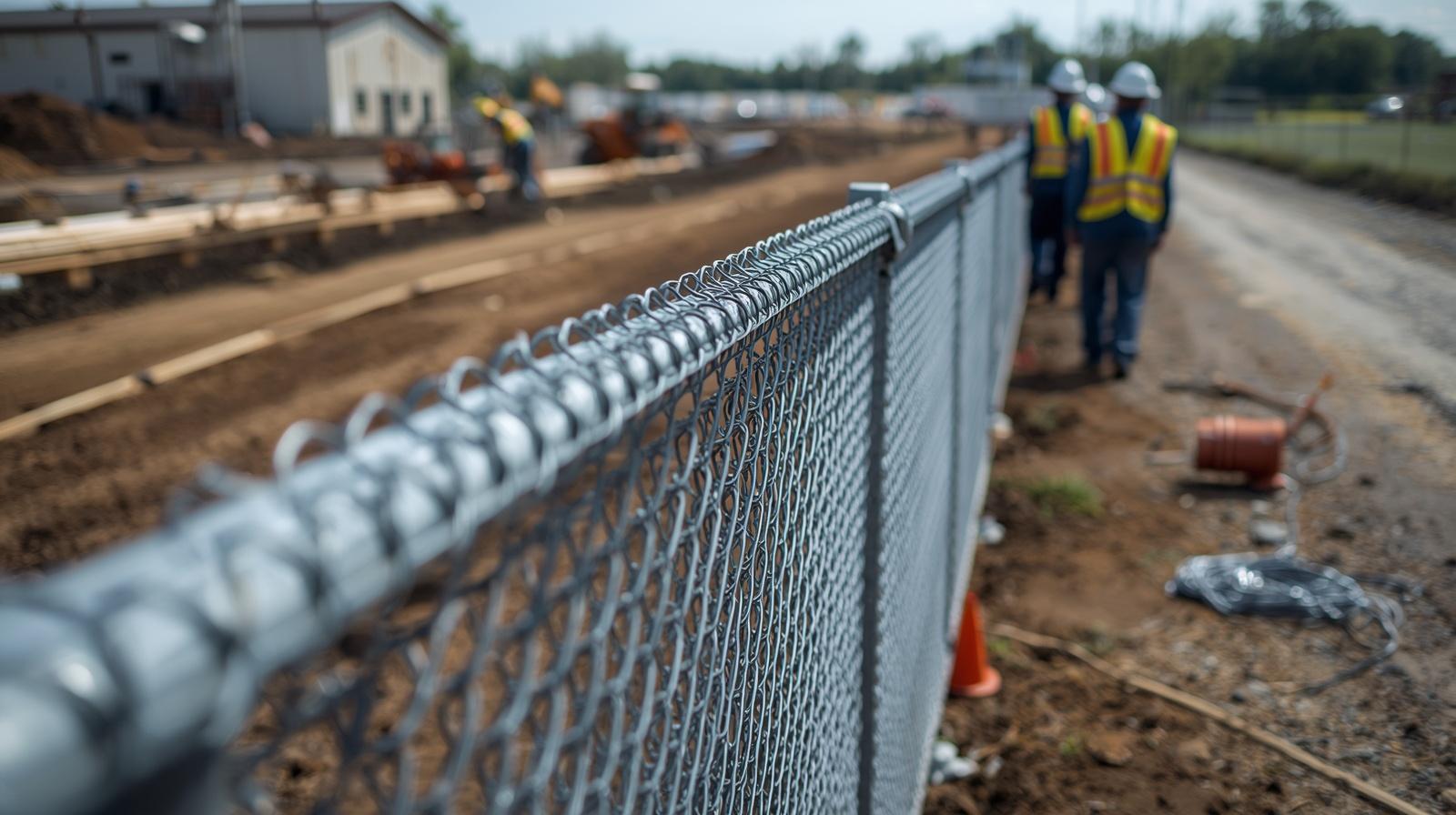
Commercial fence installation in Freeport, IL typically costs $35–$120+ per linear foot in 2026, depending on material, height, gates, and security features. Most commercial projects take 2–6 weeks total, including planning, permit review, material lead time, and installation. In Freeport, fence work is regulated by city code, and a permit is generally required, with limited exceptions such as painting, maintenance, or replacement of less than 16 linear feet.
Why This Matters for Businesses in Freeport, IL
For commercial and industrial properties in Freeport, IL, fencing is more than a boundary marker. It is a practical investment in security, access control, traffic flow, and liability reduction. A well-planned fence can help protect vehicles and equipment, define employee and vendor access, reduce trespassing, and improve how the site functions day to day. That matters even more on properties with storage yards, contractor traffic, loading areas, or outdoor inventory.
Freeport’s fence ordinance is detailed enough that owners should treat fencing as formal site work rather than something to decide after everything else is done. The city code addresses application requirements, installation standards, and orientation rules such as having structural and support components face inward and the finished side face adjacent property or public right-of-way.
Commercial Fence Costs in Freeport, IL (2026)
For budgeting purposes, these are practical installed ranges for commercial fencing in the Freeport market:
Chain link: $35–$60 per linear foot
Upgraded chain link: $45–$75 per linear foot
Aluminum or ornamental steel: $60–$120+ per linear foot
High-security or anti-climb fencing: $90–$180+ per linear foot
These ranges reflect commercial-grade materials and labor rather than light residential work. Standard chain link typically lands at the low end, while reinforced steel, decorative metal, and anti-climb systems cost more because they use heavier posts, stronger hardware, and more labor-intensive installation.
Typical total project budgets usually fall into these ranges:
Small commercial lot (150–300 ft): $7,500–$20,000
Mid-size property (300–800 ft): $15,000–$50,000
Large industrial site: $40,000–$150,000+
A modest chain-link enclosure around a service yard may stay near the lower end. A larger industrial site with multiple gates, security upgrades, heavier-gauge materials, or decorative frontage fencing can climb much higher.
Best Fence Types for Commercial Properties
Chain Link (Most Cost-Effective)
Chain link remains the most common commercial fencing option because it offers the lowest installed cost for large perimeters.
Best fit:
Warehouses
Storage yards
Contractor lots
Utility enclosures
Equipment yards
Its biggest advantages are affordability, visibility, and easier repair. For Freeport businesses focused on basic perimeter control and cost efficiency, chain link is often the starting point.
Chain Link with Security Upgrades
This is often the best-value category for properties that need more deterrence without moving into premium security fencing.
Common upgrades include:
Heavier-gauge wire
Privacy slats
Taller fence heights
Stronger posts and rails
Additional deterrent features where permitted
This option works well for fleet storage, contractor yards, and light industrial properties where the owner wants stronger protection while keeping the project budget under control.
Aluminum or Ornamental Steel
These systems make sense where appearance matters alongside security.
Best fit:
Office buildings
Retail sites
Mixed-use commercial parcels
Customer-facing properties
Aluminum is attractive because it resists corrosion and generally needs less upkeep. Steel usually costs more but creates a stronger, more substantial perimeter.
High-Security / Anti-Climb Fencing
These systems are designed for sites where intrusion resistance matters more than appearance alone.
Best fit:
Industrial properties
Outdoor storage of valuable equipment
Higher-risk commercial sites
Facilities with recurring trespass concerns
They cost more upfront, but they often produce stronger long-term value where breach resistance is the main priority.
Installation Timeline in Freeport, IL
Most commercial fence projects follow a six-step process.
1. Site Evaluation & Planning (3–7 days)
This stage includes measuring the property, identifying access points, reviewing drainage and soil conditions, and checking how the fence will interact with parking, loading, and traffic flow.
2. Design & Material Selection (3–5 days)
At this point, the owner and contractor typically finalize:
Fence type
Fence height
Gate count
Security upgrades
Layout and access planning
3. Permits & Utility Coordination (1–3 weeks)
This is one of the most important Freeport-specific points. The city publishes a fence permit application through its Community Development Department, and the ordinance states that a fence permit is generally required, with narrow exceptions for painting, maintenance, or replacement of less than 16 linear feet. The Community Development Department also publishes permit submittal and inspection requirements, which supports treating fence work as formal reviewed construction.
4. Material Procurement (1–2 weeks)
Lead times depend on what is being ordered. Standard chain link usually moves fastest, while custom gates, specialty metal panels, or higher-security materials can take longer.
5. Installation (3–10 days)
This phase includes setting posts, attaching fabric or panels, hanging gates, and completing finish work. Larger or more complex sites may take longer.
6. Final Inspection & Completion (1–3 days)
Final review should be built into the schedule rather than treated as an afterthought.
Key Cost Drivers
Several factors have the biggest effect on final pricing.
Fence Height
Height affects both cost and compliance. Freeport’s code says that existing fences in side or rear yards are generally limited to six feet, with specific rules on how fence height is measured from finished grade and how berms are treated.
Material Type
Chain link is usually the most budget-friendly. Aluminum and ornamental steel move the project into a higher price tier. Anti-climb and specialty security systems sit at the top.
Gates & Access Points
Vehicle gates, man gates, and custom access openings can materially affect the budget. Even one wide vehicle gate can add a meaningful amount to the total cost.
Site Conditions
Costs rise when the site includes:
Slopes
Soft or unstable soil
Poor drainage
Tight equipment access
Existing pavement or obstructions
Permits & Compliance in Freeport, IL
This is one of the most important local planning points. Freeport’s fence ordinance says a permit is not required only for painting, maintenance, or replacement of less than 16 linear feet, which means most new commercial fence work should be treated as permit-required. The city also publishes a dedicated fence permit application through Community Development.
The ordinance also includes installation rules that matter for planning, including:
structural and support components facing inward
finished side facing adjacent property or public right-of-way
height measured from exterior finished grade
raised grade by fill not being allowed to reduce measured fence height
Freeport also lists a few narrow cases where a fence may be permitted without a permit, such as decorative fences not exceeding two feet, agricultural fences in agricultural districts, underground electrical fences, and seasonal snow fencing with limits. Those exceptions generally do not change the reality that commercial perimeter fencing should be planned as permit-reviewed work.
Midwest Climate Considerations
Freeport weather can shorten fence life if installation is poor. The biggest local concerns are:
Frost heave around posts
Snow and ice buildup
Moisture-related corrosion
Wind pressure on taller fence runs
That is why commercial fences in this region should use proper post depth, durable coatings, and materials designed for long-term outdoor exposure.
Hidden Costs to Plan For
Businesses commonly overlook:
Permit fees
Survey or site verification
Utility marking coordination
Gate hardware upgrades
Minor grading or prep work
Cleanup and disposal
Future maintenance
A practical rule is to carry a 10–15% contingency in the budget.
Common Delays to Expect
Even well-planned projects can still face delays from:
Permit review time
Incomplete paperwork
Material backorders
Poor weather
Site access problems
Scope changes after layout review
The best way to reduce delays is to finalize the layout early, submit complete paperwork, and avoid changing materials or gate locations once the project is already underway.
FAQs
Do I need a permit for a commercial fence in Freeport, IL?
Usually, yes. Freeport’s ordinance says permits are generally required, with limited exceptions such as painting, maintenance, or replacement of less than 16 linear feet.
What local rules matter most?
Freeport regulates permit application requirements, fence orientation, and how fence height is measured.
How tall can a fence be?
Freeport’s code says existing side- or rear-yard fences generally cannot exceed six feet, and height is measured from exterior finished grade.
Where do permit materials come from?
Freeport publishes its fence permit application and permit submittal materials through the Community Development Department.
What is the most affordable commercial fence option?
Chain link is usually the lowest-cost option for commercial perimeter fencing.
Request a Site Visit & Quote in Freeport & Northern Illinois
If you're planning a commercial fencing project in Freeport, IL, Rockford Fence helps businesses choose the right system, budget accurately, and stay aligned with local permit requirements.
We help commercial clients select the right fence type, plan gates and access points, prepare for permit review, and install durable fencing built for Midwest conditions.
Contact Rockford Fence today to schedule a commercial fence consultation and quote in Freeport, IL.
