
Commercial Fence Installation in Janesville, WI: Is Fall a Good Time to Build?
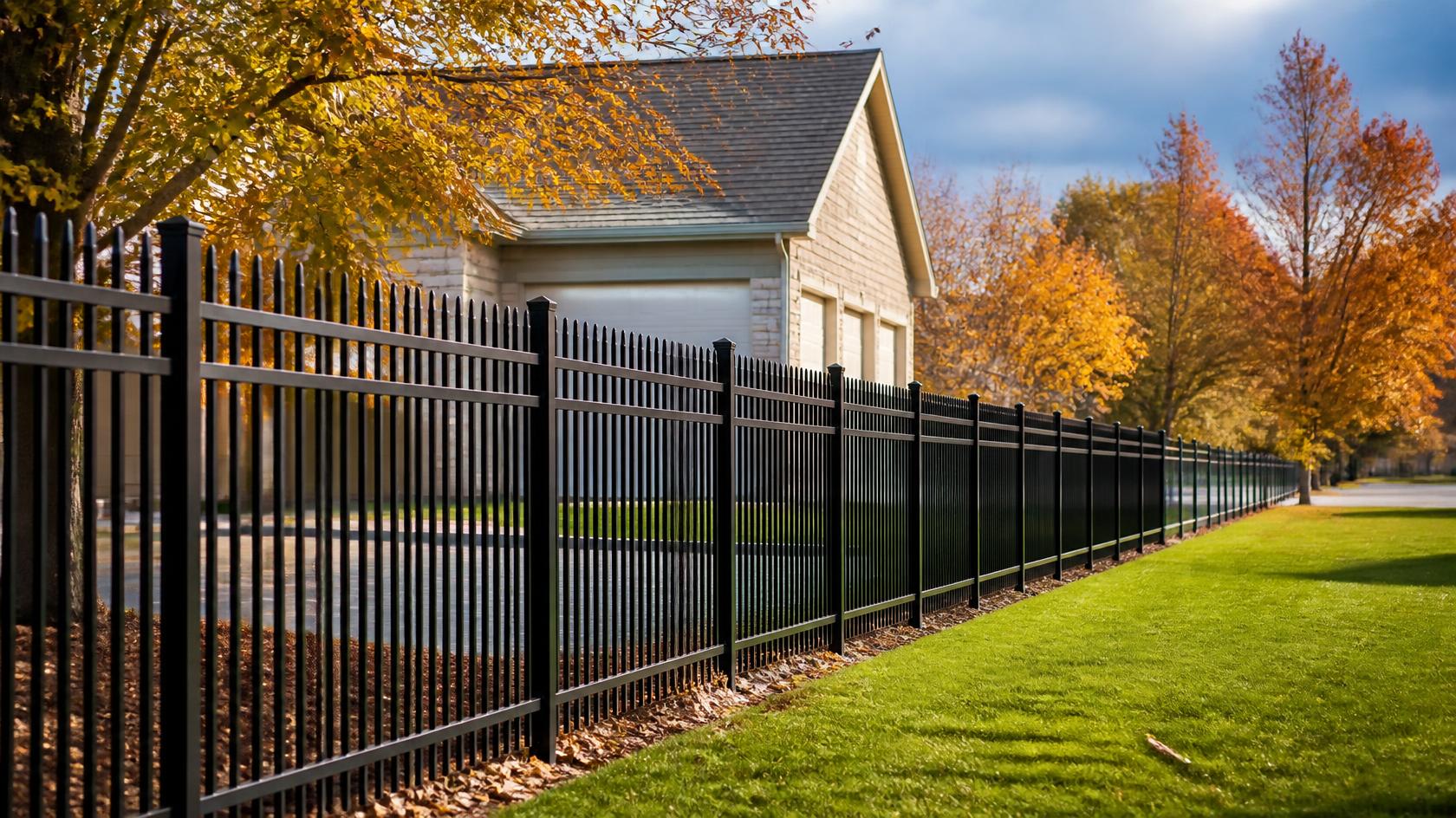
Fall can be a practical time for commercial fence installation in Janesville when ground conditions, weather, drainage, site access, and project timing are considered carefully. Businesses planning a fall project should finalize the fence layout, gates, traffic flow, snow-removal areas, and site preparation before colder conditions make installation more complicated.
Can Commercial Fencing Be Installed in Fall?
Yes. Commercial fencing can often be installed during fall as long as the site and weather conditions remain suitable.
For Janesville businesses, fall may be a convenient time to complete fencing around:
Parking areas
Equipment yards
Outdoor storage
Loading zones
Dumpster enclosures
Service areas
Vehicle entrances
The biggest consideration is not simply the season. It is whether the ground, site access, materials, and project schedule allow the work to be completed properly.
Planning early in fall usually provides more flexibility than waiting until the ground begins freezing regularly.
Fall Can Be a Good Time to Evaluate the Property
One advantage of planning before winter is that important site conditions are still visible.
Before installation, walk the proposed fence line and look for:
Standing water
Soil erosion
Slopes
Tree roots
Existing concrete
Vehicle routes
Old fence footings
Low areas
Snow can hide many of these conditions later.
Identifying them early makes it easier to determine where posts, gates, and fence sections should be placed.
Check Drainage Before Setting New Posts
Drainage should be reviewed before commercial fence installation.
Look for areas where water regularly collects after rain.
Persistent moisture around future fence posts can contribute to:
Soil movement
Erosion
Exposed footings
Gate alignment problems
Janesville properties experience seasonal freeze-thaw cycles, so wet ground around a footing deserves particular attention.
If drainage problems are already visible, consider addressing them before or alongside the fence project rather than installing new posts into a known trouble area.
Plan the Fence Layout Around Daily Operations
Commercial fence placement should support the way the property actually functions.
Consider:
Employee parking
Customer access
Delivery routes
Loading areas
Equipment movement
Outdoor storage
Waste-removal access
A fence should improve perimeter control without creating unnecessary obstacles.
Fall installation is also a good opportunity to correct weaknesses in an older layout.
If delivery trucks frequently struck the previous fence, rebuilding the same opening may lead to the same problem.
Plan Gates Before Installation Begins
Gate locations affect post placement and the overall fence design.
Determine early:
How many gates are needed
Whether they are pedestrian or vehicle gates
Required opening width
Swing or sliding configuration
Locking needs
Frequency of use
Commercial entrances should provide enough clearance for the vehicles and equipment that regularly use them.
A gate that is too narrow may experience repeated impacts, especially when winter snow reduces usable space around the entrance.
Consider Winter Gate Clearance
A gate installed in fall should also work when snow arrives.
For swing gates, consider whether snow or plowed material could block the operating area.
For sliding gates, identify the full travel path and keep it away from areas where:
Snow may be piled
Ice may form
Gravel may collect
Mud may freeze
Planning these details during installation can prevent access problems later.
Choose a Fence Type That Fits the Property
Different commercial properties have different perimeter needs.
Chain Link Fencing
Chain link is commonly used where visibility and practical perimeter control are important.
It may work well around:
Equipment yards
Storage areas
Parking lots
Service areas
Chain link components can also often be repaired individually if localized damage occurs later.
Security Fencing
Properties requiring more controlled access may need fencing planned around gates, restricted areas, and high-risk sections.
The fence height, layout, gates, and hardware should match the actual security needs of the property.
Ornamental Fencing
Ornamental fencing may be considered near offices, front entrances, or customer-facing areas where appearance and visibility are both priorities.
Some commercial properties may use different fence styles in different areas rather than using one material around the entire perimeter.
Include Existing Fence Removal in the Plan
If the project replaces an older fence, removal can affect the schedule.
Existing fencing may include:
Chain link fabric
Panels
Rails
Gates
Posts
Concrete footings
Hardware
Old concrete, vegetation, damaged posts, or limited access can make removal more involved.
Inspecting the existing fence before installation helps identify these conditions before crews begin work.
It also provides a chance to understand why the previous fence failed.
Watch the Weather and Ground Conditions
Fall weather can change quickly.
Installation conditions may be affected by:
Heavy rain
Mud
Early snow
Frozen ground
Shorter daylight hours
Cold temperatures do not automatically prevent fence construction, but unsuitable ground conditions can make parts of the project more difficult.
Businesses planning later in the season should allow some flexibility in the schedule rather than assuming every day will provide ideal conditions.
Plan Around Snow Removal
Commercial fence placement should work with winter maintenance.
Before installation, identify:
Snowplow routes
Snow storage locations
Parking lot edges
Gate openings
Dumpster access
Avoid placing a new fence where plowed snow will routinely be pushed directly against it.
Heavy snow piles can put pressure on posts, rails, panels, and chain link fabric.
Snowplow routes should also provide enough clearance to reduce accidental impacts.
Protect High-Traffic Fence Sections
Commercial fencing near active vehicle areas may need additional planning.
High-risk locations include:
Delivery entrances
Parking lots
Loading zones
Service drives
Dumpster enclosures
Depending on the property, the layout may benefit from:
Wider gates
Bollards
Wheel stops
Better vehicle clearance
Improved traffic flow
These details can reduce repeated impacts after the new fence is installed.
Review Property Information Before Building
Before finalizing the fence line, review reliable property information such as:
Surveys
Property markers
Easements
Shared access areas
Utility locations
Commercial property owners should also review applicable local requirements before finalizing fence height, location, or design.
Handling these details before installation can reduce the risk of layout changes after materials have been ordered or posts have been placed.
Is Late Fall Too Late?
Not necessarily.
Whether a late-fall installation is practical depends on the specific project and current site conditions.
A straightforward fence on accessible ground may be easier to complete than a project involving:
Extensive removal
Difficult terrain
Drainage problems
Numerous large gates
Major site preparation
The later the project moves toward winter, the more important schedule flexibility becomes.
Planning should begin before the property reaches the point where frozen ground or persistent snow limits available options.
Fall Installation Can Prepare the Property for Winter
Completing a commercial fence before winter may help a business enter the colder season with:
A defined perimeter
Working gates
Improved access control
Better protection around outdoor storage
Fewer unresolved fence repairs
It can also eliminate weak sections that might otherwise face another season of snow, wind, and freeze-thaw movement.
Plan Commercial Fence Installation in Janesville
Fall can be a good time to install commercial fencing when the project is planned around weather, ground conditions, drainage, vehicle access, gates, and snow removal.
The goal is not simply to finish before winter. It is to install a fence that works with the property throughout the year.
Rockford Fence provides commercial fence installation, repair, replacement, chain link fencing, security fencing, gates, dumpster enclosures, and other commercial fence solutions.
Contact Rockford Fence to discuss commercial fence installation in Janesville, WI. The team can evaluate the property and help plan the layout, gates, access points, and installation around fall and winter site conditions.
