
Commercial Fence Installation Near Me in Edgerton, WI: Fall Project Guide
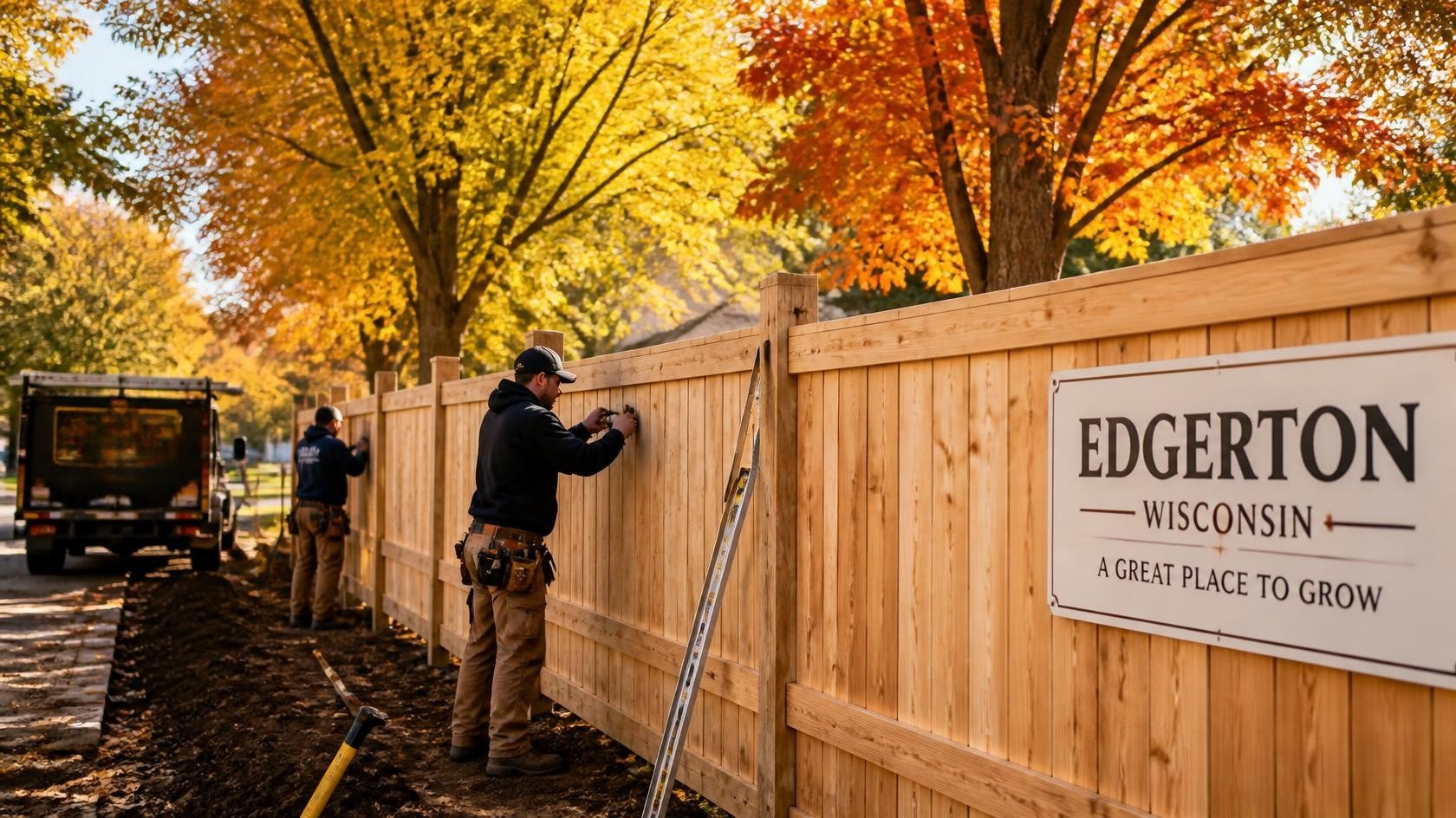
Businesses planning commercial fence installation in Edgerton this fall should prepare the layout, materials, gate locations, site access, drainage, and winter operations before work begins. Fall can be a practical installation season, but changing weather and shorter days make early decisions especially important.
Start With the Purpose of the New Fence
Before requesting an estimate, define what the fence needs to accomplish.
Commercial fencing may be used to:
Control access
Secure outdoor storage
Separate parking and work areas
Protect equipment
Enclose dumpster areas
Create vehicle or pedestrian entrances
Establish a clear property perimeter
The intended use affects everything from material and height to gate placement.
For example, a storage yard may prioritize visibility and perimeter security, while a customer-facing entrance may place more emphasis on appearance.
A clear purpose helps prevent unnecessary features while making sure important areas receive adequate protection.
Map the Fence Line Before Finalizing the Project
A commercial fence installation begins with understanding where the fence will go.
Review:
Property boundaries
Existing pavement
Buildings
Parking spaces
Loading areas
Landscaping
Utility areas
Vehicle routes
Changes in elevation, tight spaces, and multiple corners can affect installation complexity.
Businesses should also review reliable property information and any applicable local requirements before finalizing placement.
Resolving layout questions before installation helps reduce last-minute adjustments.
Choose Materials Based on How the Site Operates
Commercial properties in Edgerton may use different fence materials for different purposes.
Chain Link
Chain link is commonly used around storage yards, parking areas, service zones, and larger commercial perimeters.
Its open design maintains visibility and allows wind to pass through.
Ornamental Fencing
Ornamental fencing may work well near office entrances, public-facing areas, and locations where appearance matters along with access control.
Some properties may benefit from using different materials in different sections.
The right choice should consider maintenance, security, visibility, weather exposure, and how customers or employees use the site.
Plan Gate Locations Around Daily Traffic
Gate placement deserves as much attention as the fence itself.
Think about how the property handles:
Deliveries
Employee vehicles
Service trucks
Trailers
Equipment
Waste removal
Snowplows
An entrance should provide enough turning room and clearance for the vehicles that regularly use it.
If a truck must make a sharp turn immediately after entering, moving or widening the gate may create a more practical layout.
Planning traffic flow before installation can also help reduce future impact damage to gate posts and nearby fencing.
Size Vehicle Gates Carefully
Gate width should reflect actual vehicle needs rather than a convenient opening on the drawing.
Consider the largest trucks, trailers, or equipment expected to use the property.
An opening that is too narrow can lead to:
Scraped posts
Bent frames
Difficult turns
Repeated repairs
Traffic delays
Businesses should also consider whether future operations may involve larger vehicles.
Installing adequate clearance initially is usually easier than modifying a completed entrance later.
Decide Between Swing and Sliding Gates
Available space can determine which gate style works better.
Swing gates need clear space through their entire opening arc.
The layout should account for parked vehicles, snow piles, slopes, and equipment that might block movement.
Sliding gates travel along the fence line and require enough unobstructed space beside the entrance.
Their travel path should remain clear of gravel, debris, storage, and winter snow.
Gate style should be chosen based on both site space and year-round operating conditions.
Review Drainage Before Installing Posts
Fall rain can reveal areas where water collects along the planned fence line.
Look for:
Standing water
Mud
Erosion
Low spots
Runoff paths
Saturated soil
Poor drainage can affect post stability over time, particularly as wet soil experiences freezing and thawing.
Gate posts, terminal posts, and corners deserve particular attention because they often carry additional weight or fence tension.
If drainage problems are obvious before construction, address or account for them instead of installing the new fence directly into a known trouble area.
Prepare the Site Before the Crew Arrives
A clear work area can help a commercial fence project move more efficiently.
Before installation, remove or relocate:
Stored materials
Unused equipment
Branches
Vegetation
Temporary obstacles
Debris along the fence line
Determine where fence materials can be staged without interfering with employees or customers.
Commercial properties that remain open throughout construction should also separate work areas from normal vehicle and pedestrian traffic where practical.
Existing Fence Removal May Be Part of the Project
If a new fence replaces an older perimeter, demolition should be included in the planning.
Removal may involve:
Old chain link fabric
Panels
Rails
Posts
Gates
Concrete footings
Removal becomes more complicated when posts are surrounded by pavement or large footings need to be taken out.
Before accepting an estimate, confirm whether old fence removal, material disposal, and basic cleanup are included.
This prevents confusion once installation begins.
Plan Installation Around Business Operations
Commercial fence work often takes place while the business remains active.
Identify which areas cannot be closed for long periods.
Consider:
Main employee entrances
Delivery gates
Customer parking
Loading areas
Dumpster service
Equipment routes
If the property has only one main gate, discuss how access will be maintained while posts, gates, or nearby fence sections are installed.
A project can often be organized in stages so that essential entrances remain usable.
Fall Weather Can Affect the Work Area
Fall installation in Wisconsin comes with changing site conditions.
Projects may encounter:
Heavy rain
Mud
Colder temperatures
Shorter daylight
Early freezing conditions
Occasional early snow
These conditions do not automatically prevent fence installation, but they can affect site access and scheduling.
Property managers can reduce avoidable delays by finalizing materials, gate sizes, layout, and site preparation before the project begins.
Late design changes become more difficult as the workable fall window gets shorter.
Think Ahead to Snow Removal
A fence installed in fall should be ready for the way the property will operate in winter.
Before finalizing the layout, identify:
Snowplow routes
Snow-storage locations
Sliding gate paths
Swing gate areas
Narrow entrances
Avoid planning large snow piles directly against the fence where possible.
Repeated pressure from heavy snow can stress fabric, rails, panels, and posts.
Gate openings should also remain wide enough after snowbanks begin reducing usable space around parking and drive areas.
Protect High-Traffic Fence Sections
Some locations are more likely to be struck by vehicles or equipment.
These may include:
Loading zones
Dumpster enclosures
Parking lot corners
Delivery entrances
Equipment yards
If traffic will pass close to gate or fence posts, consider whether extra clearance or protection is needed.
Depending on the property, bollards or wheel stops may help protect vulnerable sections.
It is easier to plan these features during installation than after repeated damage has already occurred.
Know What Should Be Clear in the Estimate
A commercial fence proposal should describe the project clearly.
Review details such as:
Total footage
Fence material and height
Gate quantities and widths
Post and rail requirements
Existing fence removal
Site preparation
Cleanup
Major exclusions
If access-control equipment, major drainage work, electrical work, or pavement restoration is needed, determine whether those items are included or handled separately.
Comparing detailed scopes is more useful than comparing total prices alone.
Inspect the Completed Fence Before Winter
Once installation is complete, walk the new perimeter.
Review:
Post alignment
Fence tension
Gate movement
Latch operation
Ground clearance
Hardware
Work-area cleanup
Swing gates should move freely without dragging.
Sliding gates should travel smoothly through the complete opening.
Any final adjustments are easier to complete before snow and ice begin affecting the property.
Plan Your Edgerton Commercial Fence Project This Fall
A successful fall fence project starts with early planning.
Material selection, gate access, drainage, site preparation, traffic flow, snow removal, and business operations should all be considered before installation begins.
Rockford Fence provides commercial fence installation, repair, replacement, chain link fencing, security fencing, commercial gates, dumpster enclosures, and other commercial fence solutions.
Contact Rockford Fence to discuss commercial fence installation in Edgerton, WI. A site evaluation can help define the layout, gates, materials, and installation scope before colder weather arrives.
