
Commercial Fence Installation for Warehouses in Beloit, WI: Security and Access Planning
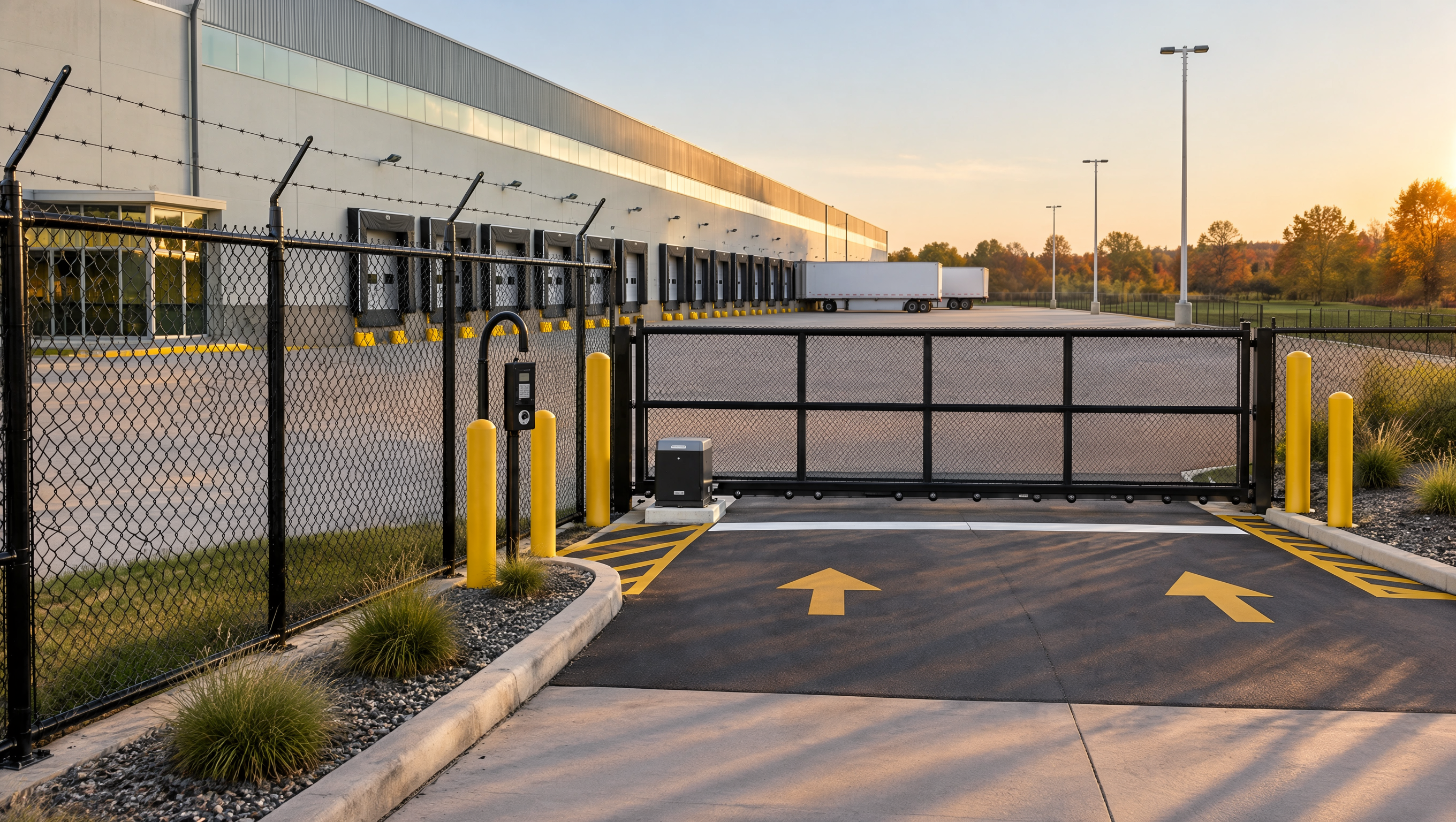
Commercial fence installation for warehouses in Beloit should balance perimeter security with practical access for trucks, employees, equipment, deliveries, and waste service. The best layout considers gate width, loading areas, traffic flow, outdoor storage, drainage, snow removal, and the way the property operates throughout the day.
Start With How the Warehouse Property Actually Functions
Warehouse fencing should be planned around daily operations, not simply around the property boundary.
Before choosing a layout, identify how the site is used.
Important areas may include:
Loading docks
Trailer parking
Employee parking
Outdoor storage
Equipment yards
Dumpster areas
Delivery entrances
Restricted sections
Each area can have different security and access needs.
A rear storage yard may require stronger perimeter control, while the front employee entrance may need easier pedestrian access.
Understanding these differences helps prevent a fence layout that looks organized on paper but interferes with daily warehouse traffic.
Identify the Highest-Security Areas
Not every part of the warehouse perimeter needs the same level of protection.
Higher-priority areas may include:
Outdoor inventory
Equipment storage
Trailer staging areas
Rear loading zones
Restricted service areas
These sections may benefit from fewer access points and stronger perimeter control.
The front of the property may have different priorities, including visibility, employee access, and visitor movement.
Planning security by zone can help businesses concentrate resources where they are most useful instead of treating every section exactly the same.
Plan Vehicle Gates Around Truck Movement
Gate placement is one of the most important decisions on a warehouse property.
A gate may be wide enough for a truck but still create problems if the vehicle has to make a sharp turn immediately before entering.
Consider:
Tractor-trailers
Box trucks
Service vehicles
Yard equipment
Snowplows
The entrance should provide practical turning clearance, not just enough width for the vehicle itself.
Watching how trucks already enter, turn, back, and leave the property can help determine where gates should go.
A poorly positioned gate can create repeated contact with posts, frames, or nearby fence sections.
Avoid Making Gate Openings Too Tight
Narrow entrances can become expensive problems.
Repeated vehicle contact may damage:
Gate posts
Frames
Hinges
Rollers
Nearby chain link
Concrete footings
If trucks already struggle with an existing entrance, replacement should not simply recreate the same width.
A wider opening or different gate location may improve both access and fence longevity.
The goal should be to support efficient traffic while maintaining perimeter control.
Separate Employee and Truck Access When Practical
Warehouse properties often benefit from separating pedestrian and heavy vehicle movement.
A dedicated pedestrian gate can make it easier for employees to enter without using a large truck entrance.
This may help:
Reduce vehicle conflicts
Improve access control
Keep large gates closed when not needed
Create clearer walking routes
Pedestrian gates should connect logically with employee parking and building entrances.
They should also remain practical during winter when snowbanks or icy conditions may change normal walking paths.
Choose Between Swing and Sliding Gates
Gate configuration should match the available space.
Swing Gates
Swing gates need enough room to open through their full arc.
They should not interfere with:
Parked trailers
Dock traffic
Equipment
Snow piles
Buildings
Sliding Gates
Sliding gates move along the fence line and need a clear travel area.
That path should remain free of:
Stored materials
Gravel
Mud
Snow
Other obstacles
A sliding design may help where vehicle maneuvering space is limited, but it still requires enough fence-line clearance to operate properly.
Keep Loading Areas Open
Loading docks are among the busiest areas on many warehouse properties.
Fence lines and gate posts should not reduce the space trucks need to:
Approach docks
Back into position
Turn
Stage temporarily
Exit safely
A fence installed too close to the loading route may create a permanent obstacle.
Before finalizing the layout, review the property during an active delivery period if possible.
The path used by trucks may be very different from what appears obvious when the lot is empty.
Consider Trailer and Outdoor Storage Security
Many warehouses use exterior space for trailers, pallets, equipment, or inventory.
These areas may need their own secure perimeter.
Chain link fencing can be practical where businesses need visibility across the storage yard.
Gate locations should support both normal access and secure closure after hours.
If the property uses multiple storage sections, separate enclosures may be useful rather than fencing the entire site to the same specification.
The layout should reflect which areas actually need controlled access.
Plan Dumpster and Service Access
Dumpster areas can create unexpected fence problems if access is not planned carefully.
Waste-removal trucks need enough room to approach, service the container, and leave.
Consider:
Gate width
Swing direction
Turning room
Snow accumulation
Nearby parked vehicles
A narrow or poorly positioned dumpster enclosure gate may experience repeated impact.
Planning the service route before installation can help keep the enclosure functional without exposing posts and frames to unnecessary damage.
Review Drainage Before Setting Posts
Warehouse properties often include large paved areas that direct water toward perimeter edges.
Before installing posts, inspect for:
Standing water
Erosion
Low spots
Runoff from pavement
Soft ground
Beloit properties can experience freeze-thaw conditions, making drainage especially important around gate and terminal posts.
If an old fence repeatedly leaned in one section, the ground condition should be investigated before installing new posts in the same area.
Major drainage work may be separate from the fence project, but it should still influence the installation plan.
Plan Around Asphalt and Concrete
Commercial fence installation around warehouses often involves pavement.
Posts may need to be installed beside or through:
Parking lots
Drive lanes
Loading areas
Sidewalks
This may require cutting pavement, excavation, and later restoration.
If an existing fence is being replaced, old concrete footings may also need to be removed.
The project scope should explain how these areas will be handled so businesses understand what work is included before installation begins.
Include Snow Removal in the Layout
Winter operations should be considered before the fence is installed.
Review:
Snowplow routes
Snow-storage areas
Truck turning zones
Swing gate paths
Sliding gate travel areas
Snowbanks can reduce usable gate width and make truck entrances tighter.
Heavy snow should also not be routinely piled directly against chain link fabric, gates, or posts.
A layout that works well in summer should still allow practical warehouse access after snow begins accumulating.
Protect High-Impact Areas
Some sections of a warehouse perimeter are more likely to be hit by vehicles.
Common areas include:
Gate entrances
Loading zones
Trailer corners
Dumpster areas
Equipment routes
Depending on the site, protection may include:
Bollards
Wheel stops
Wider gates
Better traffic markings
Additional turning clearance
Repeated repairs can often be reduced by addressing the traffic pattern rather than simply making the fence heavier.
Review the Entire Plan Before Installation
Before the first post is set, confirm:
Fence location
Gate widths
Gate types
Employee access
Truck routes
Loading areas
Outdoor storage
Snow-storage locations
Businesses should also review applicable local requirements before final placement.
Late layout changes can affect footage, post locations, gates, and materials.
A final site walkthrough helps make sure the proposed fence supports both security and daily warehouse operations.
Plan a Warehouse Fence Around Security and Access
A warehouse fence should do more than define the property line.
It should protect storage and equipment while allowing trucks, employees, service vehicles, and equipment to move efficiently through the site.
Rockford Fence provides commercial fence installation, chain link fencing, security fencing, gate installation, repair, replacement, dumpster enclosures, and other commercial fence solutions.
Contact Rockford Fence to discuss commercial fence installation for warehouses in Beloit, WI. A site evaluation can help determine practical fence lines, gate locations, and access points based on the way the warehouse operates.
