Commercial Fence Maintenance in Loves Park, IL: Fall Checklist for Gates and Perimeters
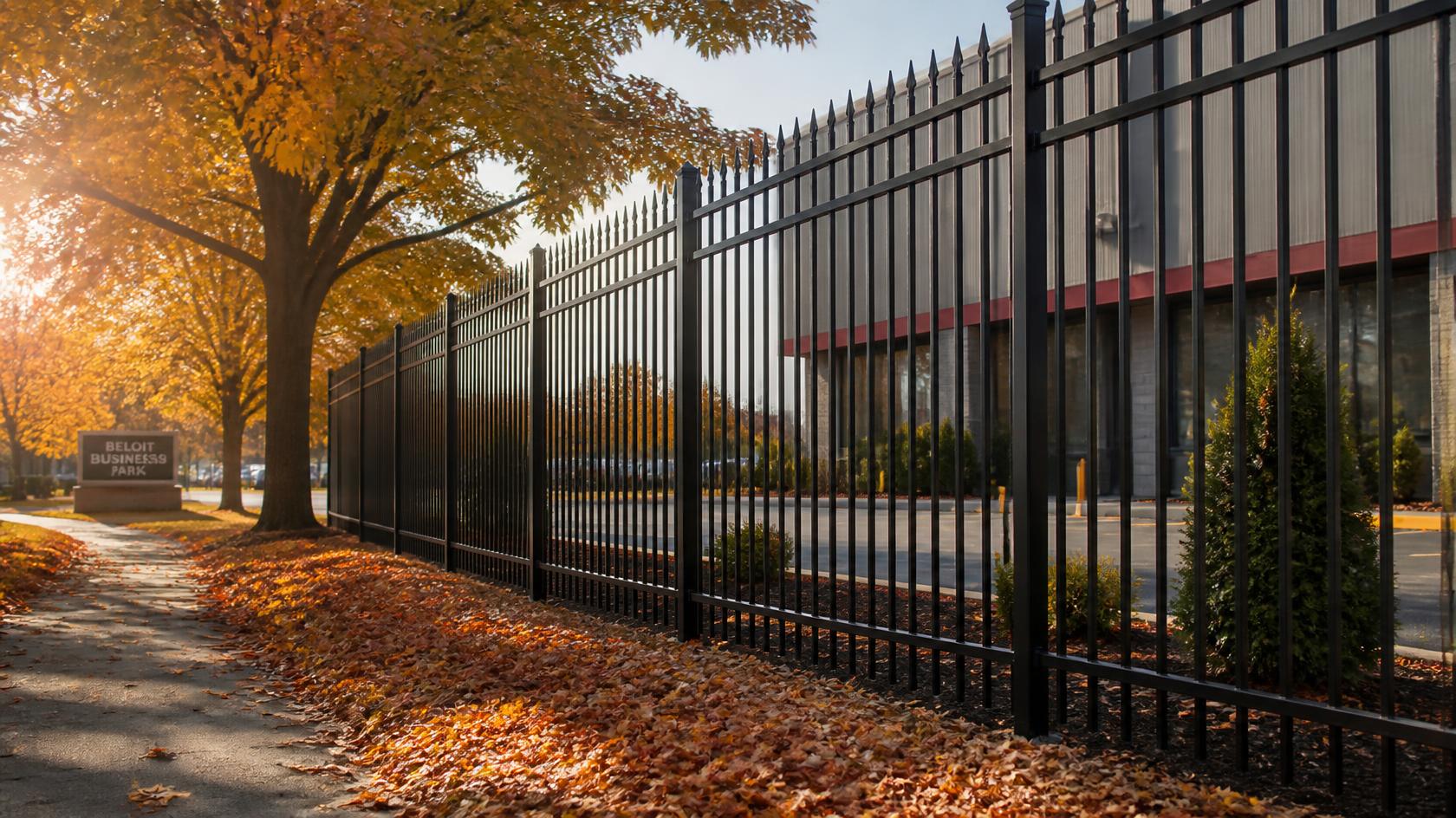
Fall is a good time for Loves Park businesses and property managers to inspect gates, posts, chain link fabric, hardware, drainage, and high-traffic fence sections before winter arrives. Fixing loose, bent, corroded, or misaligned components now can help reduce access and perimeter problems once snow, ice, and freeze-thaw conditions begin.
Use Fall to Check the Entire Fence System
Commercial fencing often surrounds areas that need reliable access and perimeter control throughout the year.
That may include:
Parking areas
Equipment yards
Loading zones
Outdoor storage
Dumpster enclosures
Service entrances
Vehicle access points
Fall maintenance should cover more than the most visible section near the entrance.
Walk the full perimeter and look for anything that has changed since the previous season. Small alignment problems, loose hardware, or drainage issues may become more noticeable once winter conditions arrive.
Test Every Gate Before Cold Weather
Gates usually experience more movement than the rest of the fence, so they deserve extra attention.
Open and close each gate several times.
Check for:
Sagging
Dragging
Loose hinges
Misaligned latches
Bent frames
Difficult locking
Leaning support posts
A gate should move smoothly and close completely without being lifted, pushed, or forced into position.
If the latch repeatedly goes out of alignment, inspect the gate posts and frame instead of adjusting the latch alone.
Inspect Sliding Gate Components
Commercial properties with wider vehicle entrances may use sliding gates.
Check the full system for:
Worn rollers
Damaged guides
Uneven travel
Grinding
Shaking
Bent frames
Loose hardware
Clear leaves, gravel, mud, and other debris from the travel path before snow begins accumulating.
For sliding systems with tracks, make sure the track is clear and undamaged. For other designs, inspect rollers and guides for wear that could affect movement during winter.
Check Gate Posts for Stability
Gate posts carry additional weight and movement.
Look closely for:
Leaning
Movement near the footing
Exposed concrete
Corrosion
Impact marks
Erosion around the base
Loves Park properties can experience freeze-thaw cycles that affect soil around fence posts.
If a post is already unstable in fall, winter ground movement may make gate alignment worse.
A structurally sound post may sometimes be reset, while badly bent, corroded, or unstable posts may require replacement.
Inspect Chain Link Fabric and Connections
Chain link fencing is common around commercial properties because it provides visibility while creating a defined perimeter.
During a fall inspection, look for:
Loose or sagging fabric
Broken tie wires
Torn mesh
Loose tension bands
Openings near terminal posts
Gaps along the bottom
Strong fabric can often be retensioned after damaged posts, rails, or fittings are repaired.
If the mesh has become brittle or heavily corroded, sectional replacement may be more practical.
Look Along the Top Rail
Top rails help keep chain link fencing supported and aligned.
Check for:
Bent sections
Loose sleeves
Missing hardware
Impact damage
Sections pulling apart
A bent rail may have been caused by falling branches, vehicle contact, equipment, or previous snow pressure.
Replacing one damaged rail before winter can help prevent nearby fabric from becoming loose or distorted.
Check Small Hardware Before It Fails
Fall maintenance should include smaller components that are easy to overlook.
Inspect:
Tie wires
Tension bars
Tension bands
Brace bands
Bolts
Hinges
Latches
A missing tie wire or loose bolt may seem minor, but these parts help keep larger fence sections stable.
Replacing worn hardware now can help reduce movement during winter winds and snow buildup.
Watch for Rust and Corrosion
Moisture, road salt, snow, and normal exposure can gradually affect metal fencing and hardware.
Pay particular attention to:
Post bases
Hinges
Gate frames
Latches
Bolts
Welded connections
Tension hardware
Minor surface rust may be manageable when the underlying metal remains strong.
More serious signs include flaking metal, thinning components, brittle mesh, or hardware that breaks during adjustment.
Those areas may need component replacement before winter.
Review Drainage Along the Fence Line
Fall rain can help reveal where water collects.
Walk the perimeter and look for:
Standing water
Mud
Low spots
Soil erosion
Exposed footings
Runoff toward posts
Wet soil followed by freezing temperatures can contribute to post movement.
If a gate or fence section repeatedly shifts in the same location, drainage may be part of the problem.
Correcting the water issue along with the fence repair can help reduce recurring movement.
Inspect Vehicle and Equipment Areas
Commercial fencing near active traffic often experiences more damage than low-traffic sections.
Check areas near:
Delivery entrances
Parking lots
Loading areas
Forklift routes
Dumpster enclosures
Snowplow routes
Look for bent posts, scraped coatings, dented frames, loose hardware, or changes in gate alignment.
If the same area is repeatedly hit, consider whether wider openings, bollards, wheel stops, or improved traffic flow could reduce future damage.
Prepare for Snow Removal
Snow planning should be part of fall fence maintenance.
Identify where snow is normally pushed or stored.
Avoid repeatedly piling heavy snow directly against:
Chain link fabric
Gates
Fence posts
Panels
Dumpster enclosures
Snow pressure can stretch mesh, bend rails, and place extra force on posts.
Also make sure snow storage will not block pedestrian or vehicle gates.
Inspect Dumpster Enclosures
Dumpster enclosures often experience frequent gate movement and close vehicle contact.
Check:
Hinges
Latches
Posts
Frames
Panels
Ground clearance
A gate that already drags or barely latches in fall may become harder to use after snow and ice arrive.
If repeated impact damage is visible, review whether the opening provides enough clearance for regular service vehicles.
Clear Vegetation and Debris
Overgrown vegetation can hide damage and hold moisture against fencing.
Before winter, clear:
Vines
Fallen branches
Leaves
Tall weeds
Debris near posts
Keeping the fence line visible makes it easier to inspect hardware, footings, and lower fence sections.
It can also reduce pressure from branches or vegetation during snow and wind.
Prioritize Repairs That Affect Access or Security
Not every maintenance issue carries the same urgency.
Before winter, prioritize:
Gates that do not close
Broken locks or latches
Unstable posts
Torn chain link
Large gaps
Bent vehicle entrances
Loose sections around storage areas
Cosmetic issues may be monitored, but structural or access-related problems should receive faster attention.
Know When Maintenance Becomes Repair
Routine maintenance can handle loose hardware, debris, minor adjustments, and early wear.
Professional repair may be needed when:
Posts are unstable
Frames are bent
Rails are damaged
Fabric is torn
Gates repeatedly lose alignment
Corrosion affects structural components
Sectional replacement may also make sense when one portion is badly damaged but the surrounding fence remains dependable.
Prepare Your Loves Park Property for Winter
A fall fence inspection gives commercial property owners time to catch weak areas before snow, ice, and freezing ground create additional stress.
Focus on gates, posts, chain link fabric, hardware, drainage, traffic areas, and snow storage locations. Addressing these areas now can help keep the perimeter functional and easier to manage throughout winter.
Rockford Fence provides commercial fence repair, installation, replacement, chain link fencing, security fencing, gates, dumpster enclosures, and other commercial fence solutions.
Contact Rockford Fence for commercial fence maintenance or repair in Loves Park, IL. The team can inspect gates and perimeter sections and recommend practical repairs before winter conditions arrive.
