Commercial Fence Maintenance Tips
What if you could spot a major fence problem years before it fails? With a simple 15-minute walk around your property, you can. The secret isn’t having special tools; it’s knowing exactly what to look and feel for, turning a casual stroll into a powerful diagnostic tour.
Most serious fence failures begin silently at the post footing or right at ground level. That’s why the first thing to do is the “Shake Test.” Grab each post and give it a firm shake. A solid post won’t budge, but any wobble is an early warning that its foundation is failing.
Next, look down. Preventing vegetation growth on fence lines is one of the most effective ways to stop damage. Weeds, leaves, and debris trap moisture against metal or wood, and this trapped moisture is the leading cause of rust and rot.
Use this simple commercial fence inspection checklist each season to catch problems early:
Walk the Line: Look for obvious damage, rust, or breaks.
Do the Shake Test: Firmly shake each post to check for looseness.
Inspect the Base: Check for rot, rust, or erosion near the ground.
Clear Debris & Vegetation: Remove anything trapping moisture against the fence.
Chain-Link Fence First Aid: Stopping Rust and Sagging
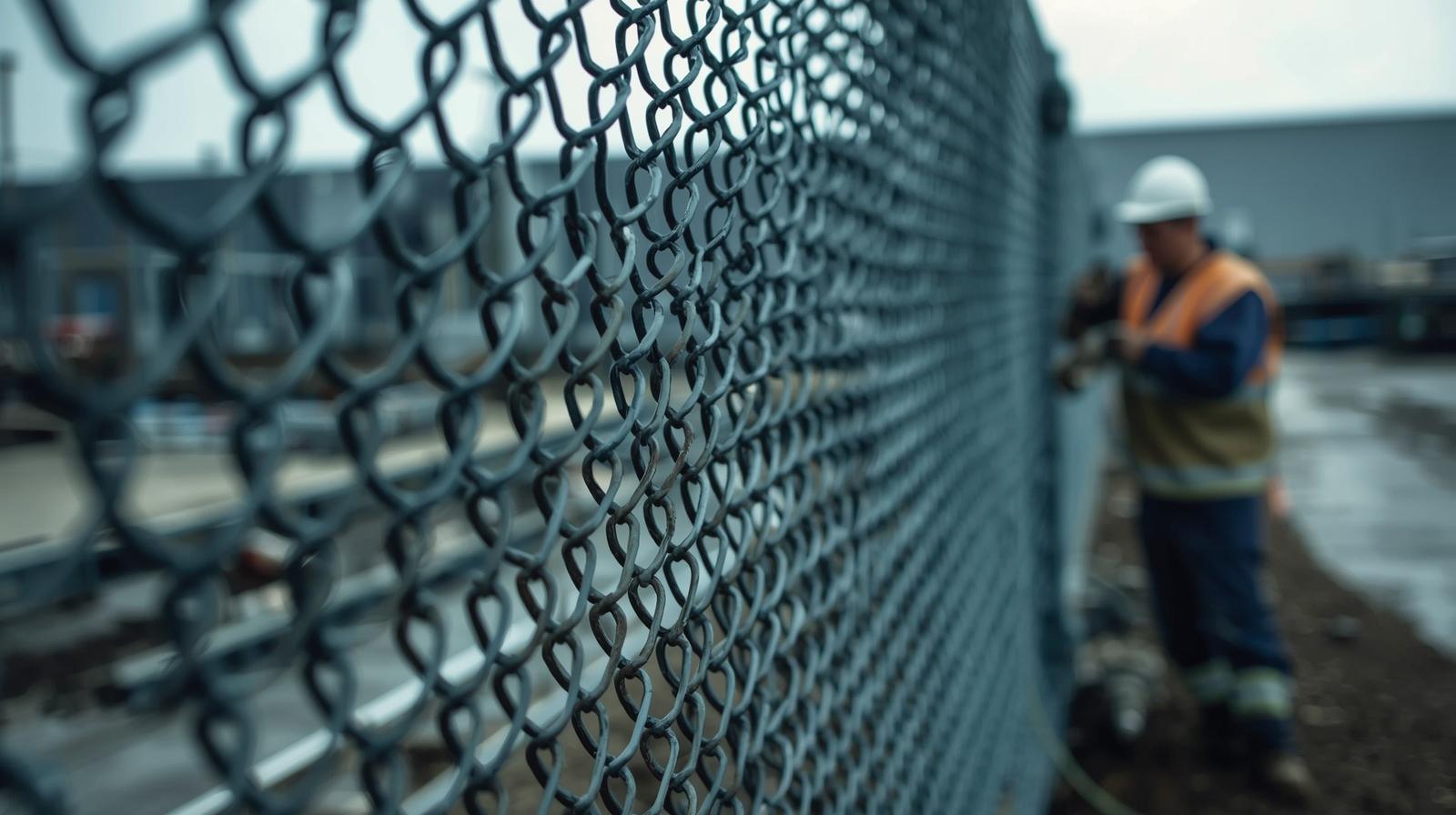
If a chain-link fence sags, the culprit is often a loose tension wire—the steel cable along the bottom that keeps the fabric taut. If you can easily lift the bottom of the fence more than a few inches, it’s too loose. Spotting this early is key, as a taut fence is a secure one that prevents easy entry.
Rust is another major threat. Most chain-link is galvanized, meaning it has a protective zinc coating. Scratches from equipment or weed whackers can break this shield, creating an entry point for rust. Effective rust prevention starts with spotting these first orange blemishes before they can spread and weaken the steel.
To fix a small rust spot, scrub it with a wire brush to remove loose flakes. Then, apply a "cold galvanizing compound" spray, available at most hardware stores. Unlike paint, this compound restores the protective zinc layer and chemically stops rust from spreading, ensuring a long-lasting, secure barrier.
How to Protect Metal Fences from Rust and Grime
Ornamental steel and iron fences project an image of strength, but rust is their constant enemy. Treat rust spots like a cavity: you must clean them out completely. For any budding orange blemish, use a wire brush to scrub away all loose rust and flaking paint to get back down to the bare, solid metal.
Before painting, apply a rust-inhibiting primer—this is the most critical step. This special primer creates a chemical barrier that stops any remaining microscopic rust from growing. Without it, even the best paint will quickly bubble and peel as corrosion spreads underneath.
Aluminum fences require a gentler approach because they don't rust. Most are protected by a tough, baked-on finish called powder-coating. To clean aluminum security fencing, simply use mild soap and water with a soft cloth. Harsh chemicals or abrasive scrubbing can scratch this protective layer and permanently dull the finish.
Is Your Commercial Gate Dragging? A 2-Minute Diagnostic
A gate that scrapes the ground or refuses to latch isn't just an annoyance; it's a security gap. Before assuming a major repair is needed, start with the simplest check. The constant weight and motion of a commercial gate can work the hinge bolts loose over time. The first step is to check if these bolts are tight.
Grab a wrench and try to tighten the bolts that secure the hinges to the main gate post. Often, a few turns are all it takes to lift the gate back into alignment. A properly aligned gate also prevents unnecessary strain on automatic gate operators.
If you tighten the bolts and the gate still sags, the issue is likely the post itself. Look where the post meets the ground—is it leaning, even slightly? A leaning post points to a failing concrete footing. This is not a situation for DIY repair, as it requires digging out and resetting the foundation. For this, it’s time to call a professional.
DIY vs. Pro: 3 Signs Your Commercial Fence Needs an Expert
Knowing when to call a pro is key to managing your property effectively. While tightening a bolt is a simple fix, some signs point to deeper issues. The most common red flag is a leaning post. This signals that the underground concrete footing has failed. Resetting a post involves excavation and fresh concrete, making it a job for an experienced crew.
Similarly, significant damage from a vehicle impact or a fallen tree requires a professional assessment. What looks like a simple bent rail might be hiding weakened posts, stretched chain-link fabric, or compromised welds that threaten your security. A pro can ensure the entire structure is sound after an impact.
Finally, any malfunction with an automatic gate opener is a clear call for a specialist. These systems are a complex mix of electrical components, sensors, and mechanics. A qualified commercial fence contractor has the diagnostic tools to safely fix the problem, whereas a DIY attempt can be dangerous and often leads to a more expensive repair.
How a Fence Maintenance Plan Protects Your Investment
By learning to spot early warning signs, you can protect your fence as a valuable asset and avoid costly emergency repairs. A seasonal inspection is a powerful starting point. For those with limited time or for more complex issues, a professional maintenance plan can turn unpredictable repair bills into a manageable budget item. Consulting a local commercial fence contractor ensures your property remains secure and your investment is protected.
