
Commercial Fence Permits in Belvidere, IL: Planning & Compliance
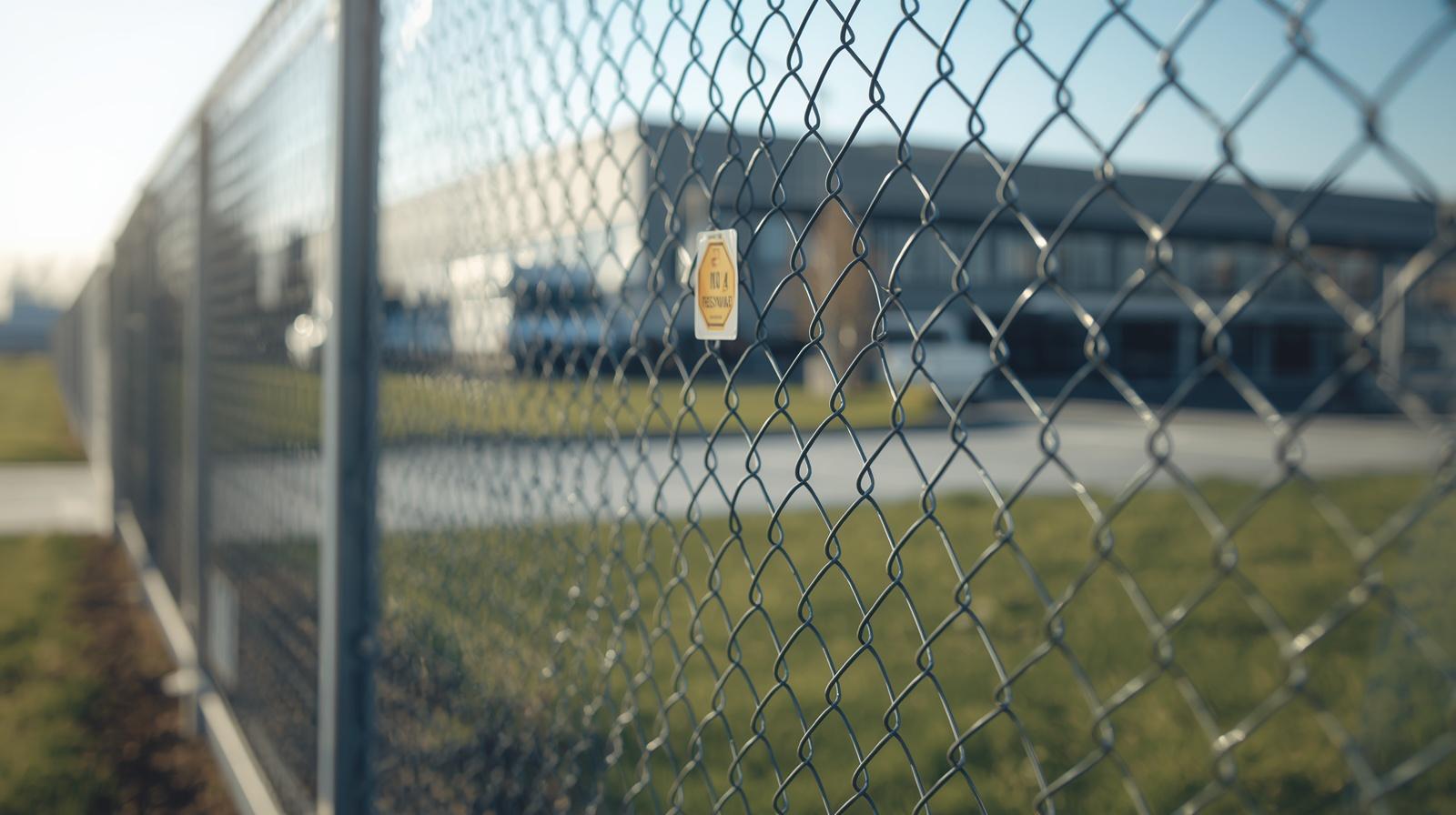
Commercial fence installation in Belvidere, IL requires a permit, zoning compliance, and proper site planning. Businesses must follow rules for height, placement, visibility, materials, and easements to avoid delays, fines, or required removal. Most projects take a few days to a few weeks for approval, depending on complexity.
Why Fence Permits Matter in Belvidere, IL
Fence permits aren’t just a formality—they are designed to ensure your project meets local zoning laws, safety standards, and construction requirements.
For commercial properties in Belvidere, IL, permits help:
Maintain safe visibility for drivers and pedestrians
Prevent conflicts with utilities and drainage systems
Ensure fences stay within legal property boundaries
Protect neighboring properties from encroachment issues
Support consistent land use across commercial and industrial zones
Skipping the permit process can result in stop-work orders, fines, delays, or even forced fence removal. For businesses operating on tight schedules, that can quickly become a costly mistake.
Do You Need a Permit in Belvidere, IL?
Yes—most commercial fence installations require a permit before construction begins.
You’ll typically need approval if you are:
Installing a new fence
Replacing or expanding an existing fence
Changing fence height or material
Adding gates or security features
Upgrading to high-security fencing
Even relatively small modifications can trigger permit requirements, so it’s important to verify early in the planning process.
Key Fence Regulations in Belvidere, IL
Commercial fencing must comply with local regulations related to height, placement, and visibility. These rules vary slightly depending on zoning (commercial vs industrial), but the following are common standards.
Fence Height Limits
Front yard areas: Typically limited to around 4 feet
Side and rear commercial areas: Usually allowed up to 6–7 feet
Industrial zones: May allow 8–10 feet or more, especially for security fencing
Taller fences often require additional approval, particularly if they include security features like barbed wire.
Visibility & Safety Requirements
One of the most important compliance rules involves maintaining clear sightlines.
Fences must not obstruct visibility near:
Intersections
Driveways
Entrances and exits
Many properties must maintain a visibility triangle, meaning fence height is restricted within a certain distance of corners or roadways. This ensures drivers and pedestrians can see oncoming traffic.
Property Line & Placement Rules
Commercial fences must:
Be installed within property boundaries
Avoid encroaching onto neighboring properties
Maintain clearance from public areas like sidewalks and roads
While fences can often be placed near property lines, they must still comply with local zoning and right-of-way requirements.
A professional land survey is highly recommended to avoid disputes or costly corrections.
Easements, Utilities & Right-of-Way
Easements
Before installing a fence, identify any:
Utility easements
Drainage easements
Access corridors
Fences built in these areas may need to be removed if access is required, often at the property owner’s expense.
Underground Utilities
Before digging:
Utilities must be located and marked
Contractors must follow safety guidelines
This step is critical for both safety and compliance.
Public Right-of-Way
Fences cannot extend into:
Streets or roadways
Sidewalks
Public property
Violating right-of-way rules can result in immediate enforcement action and project delays.
Materials & Design Requirements
Belvidere allows a variety of commercial fencing materials, including:
Chain link
Steel or ornamental iron
Aluminum
Wood or composite materials
Masonry (brick or stone)
However, there are some important guidelines:
Fences must be structurally sound and properly installed
Some areas may require partially open fencing (not fully solid)
Security features like barbed wire may be restricted to industrial zones
Materials must be suitable for long-term outdoor use
Choosing the right material helps ensure both code compliance and durability.
Permit Application Requirements
To apply for a commercial fence permit in Belvidere, IL, you’ll typically need:
A detailed site plan showing fence layout
Fence height and material specifications
Property boundary measurements
Locations of buildings, driveways, and gates
Accurate documentation is essential. Incomplete or unclear plans are one of the most common causes of permit delays.
Permit fees vary but are generally modest compared to total project costs.
Site Planning Considerations
Proper planning is one of the most important steps in ensuring a smooth permit process.
Zoning Verification
Confirm your zoning classification (commercial, industrial, etc.)
Check allowable fence height and placement
Identify any special requirements for your property type
Traffic Flow & Access
Plan gate locations carefully
Ensure safe entry and exit points
Avoid blocking emergency or service access
Drainage & Grading
Do not block natural drainage paths
Avoid placing fences in low-lying or flood-prone areas
Good site planning helps prevent both compliance issues and long-term maintenance problems.
Common Compliance Mistakes
Businesses in Belvidere, IL often run into issues by:
Installing fences without permits
Misjudging property lines
Ignoring setback or height restrictions
Blocking visibility near intersections
Overlooking easements or underground utilities
These mistakes can lead to:
Project delays
Additional costs
Required modifications or removal
Avoiding these issues starts with early planning and accurate documentation.
Permit Timeline
Typical commercial fence permit timeline:
Application preparation: 1–3 days
Review process: Several days to a few weeks
Approval: Depends on project complexity
Projects with clear plans and no zoning conflicts tend to move through the process faster.
Midwest Climate Considerations
Fence installations in Belvidere, IL must be designed for Midwest weather conditions, including:
Freeze-thaw cycles that affect post stability
Snow accumulation adding weight and stress
Strong winds impacting taller fences
Best practices include:
Installing posts below frost depth
Using corrosion-resistant materials
Reinforcing structural components
These steps ensure both code compliance and long-term performance.
How to Stay Compliant
To ensure your project stays on track:
Confirm zoning and fence rules early
Obtain a property survey before design
Identify utilities before digging
Submit complete and accurate permit documents
Work with an experienced commercial fencing contractor
Taking these steps significantly reduces the risk of delays and unexpected costs.
FAQs
Do I need a permit for a commercial fence in Belvidere, IL?
Yes, most commercial fence installations require permits before construction begins.
How tall can a commercial fence be?
Typically 6–7 feet, though industrial properties may allow 8–10+ feet with approval.
Can I build a fence on the property line?
Yes, but it must remain within your boundary and meet all zoning requirements.
Are there restrictions near intersections?
Yes, fences must not block visibility for safety reasons.
What happens if I build without a permit?
You may face fines or be required to modify or remove the fence.
Request a Site Visit & Permit Guidance in Belvidere & Northern Illinois
Navigating commercial fence permits in Belvidere, IL requires careful planning. Rockford Fence helps businesses across Belvidere and Northern Illinois stay compliant while delivering secure, long-lasting installations.
We provide:
Site planning and layout design
Permit and zoning guidance
Code-compliant fence systems
Installation built for Midwest conditions
Contact Rockford Fence today to schedule a commercial fence consultation and permit review in Belvidere, IL.
