
Commercial Fence Permits in Crestview, WI: Compliance Basics & Planning
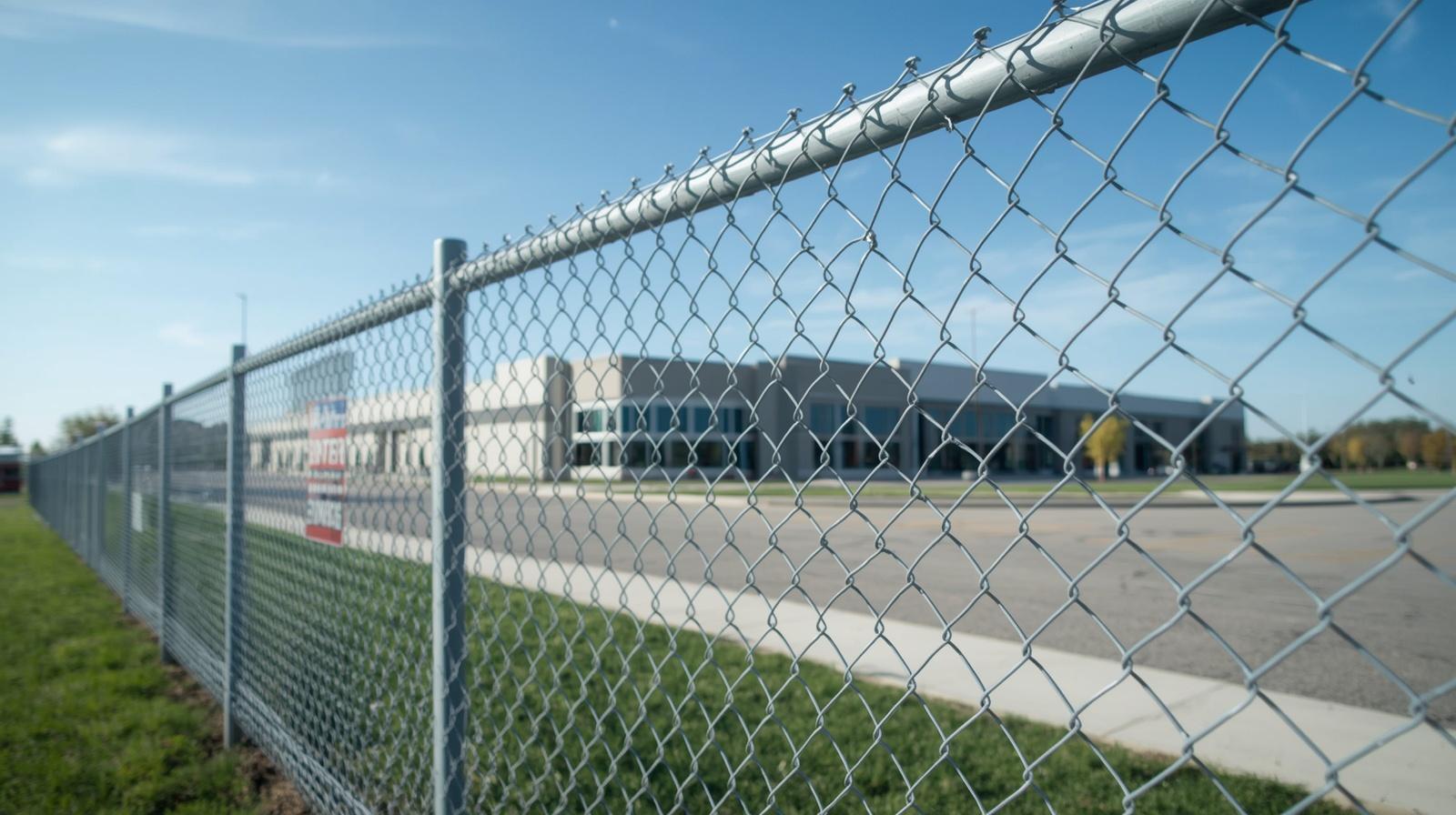
Commercial fence installation in Crestview, WI should be treated as a permit-reviewed project, not a minor site add-on. Crestview is an unincorporated community in the Town of Beloit, Rock County, so fence review runs through the Town of Beloit rather than a separate Crestview office. The Town’s permit pages say all planning and zoning permits are filed through Town Hall with required materials and fees, and Rock County notes that local towns have zoning authority in many unincorporated areas. The Town’s zoning code also says zoning-permit applications must include a site plan drawn to scale and fully dimensioned.
Why Fence Permits Matter in Crestview, WI
For commercial properties in Crestview, a fence affects much more than appearance. It can change traffic circulation, employee and vendor access, screening, equipment storage, visibility, and how the site functions overall. That is why permit review matters. In Crestview, owners are not dealing with a separate city department. They are working through the Town of Beloit permitting and zoning framework, which means fencing should be treated as a formal site improvement rather than casual exterior work.
This also matters because Rock County’s planning office says each town in Rock County has local zoning authority in most unincorporated areas, and that town records supersede county records. For a Crestview business owner, that means the Town of Beloit is the main local authority to confirm before installation begins.
Do You Need a Permit for a Commercial Fence in Crestview?
The safest answer is yes, or at minimum you should expect local permit or zoning review before installation. The Town of Beloit says all planning and zoning permits are filed through Town Hall and emphasizes that all required materials and fees must be submitted for speed and accuracy. The Town also instructs project owners to contact Community Development to determine required permits and inspections before starting work.
That matters because some commercial owners assume a fence is too minor to require formal review, especially on storage yards or back lots. In Crestview, that is not a safe assumption. Since the Town requires permit applications and site-plan materials for zoning review, a commercial fence should be approached as permit-reviewed work from the beginning.
What the Town Commonly Needs for Review
The Town of Beloit’s permit materials make clear that complete submissions matter. The Town says all planning and zoning permits must be filed with their corresponding fees, and its zoning code states that any application for a zoning permit must include a site plan that is drawn to scale and fully dimensioned. The Town’s permit instructions also say applicants should submit one form per project and avoid incomplete forms to prevent delays.
For a commercial fence project, that means owners should be prepared to provide enough information for the Town to understand exactly how the fence fits the site. In practical terms, that usually means:
a completed permit or zoning application
a clear site plan
fence layout and location
distances to lot lines or site features
gate and access-point locations
project and contractor details as needed
Because site planning is part of the review framework, commercial owners should expect the fence to be evaluated in relation to the property, not just described generally.
Property Boundaries, Placement, and Site Layout
One of the easiest ways a commercial fence project gets delayed is through unclear placement. On a business property, even a simple fence can create issues if it is too close to a drive aisle, interferes with service circulation, or is laid out without confirming lot lines first.
Before submitting permit materials, businesses should verify:
exact property boundaries
relationship to buildings and pavement
gate clearances and turning areas
employee, customer, and delivery access
whether the fence changes traffic movement on site
This matters even more in Crestview because the Town’s zoning code requires a dimensional site plan. If the fence is not clearly tied to the real site layout, the review process becomes slower and more difficult.
Zoning, Site Plan Review, and Why the Whole Property Matters
This is one of the most important local planning points. The Town of Beloit’s zoning materials and building-code materials show that some permits may be contingent on site plan approval, and the Town’s code references appeals of denials that are contingent on site plan approval. That means a fence project may not be reviewed in isolation if it connects to broader site-planning concerns.
The Town also publishes Plan of Operations / Site Plan materials, which shows that site-review documentation is an active part of local development review. For commercial owners, the practical takeaway is that fence design should be coordinated with the full site, especially when it affects vehicle flow, storage, access, or loading.
Gates, Access Points, and Security Features
Commercial fences often include more than fence runs. They may also include:
vehicle gates
man gates
service access points
screening sections
upgraded security areas
These details matter because they affect how the site functions. A fence that looks fine as a boundary line may still fail operationally if gate placement interferes with truck turns, delivery timing, or employee access. Since Town of Beloit reviews site plans for zoning permits, owners should make sure gate locations are part of the plan rather than something decided later in the field.
Utilities, Digging, and Site Conditions
Fence work often seems simple until excavation begins. Underground utility conflicts, drainage issues, and access limitations can quickly change the project. While the Town pages surfaced here do not provide a fence-specific utility-locate instruction, the Town’s permit instructions and site-plan requirements make it clear that owners should prepare complete and accurate project information.
Before construction, businesses should verify:
underground utility locations
drainage routes
whether easements affect the fence line
whether posts or gates interfere with access or circulation
That is standard good practice for any permit-reviewed exterior improvement and is especially important on commercial sites where future relocation can be costly.
Common Compliance Problems
The biggest compliance problems usually come from planning gaps rather than the fence material itself. Common trouble spots include:
assuming a permit is not needed
submitting incomplete paperwork
not showing gate locations clearly
misjudging property lines
overlooking circulation impacts
treating the fence as separate from the rest of the site plan
These mistakes can lead to revision requests, extra review time, or avoidable field changes after materials are ordered. The Town of Beloit’s own instructions stress completeness and accuracy to avoid unnecessary delays.
Why Midwest Conditions Still Matter
Even though permits are mainly about compliance, local weather still matters. In Crestview, commercial fences must handle freeze-thaw movement, snow loading, moisture, and wind exposure. That affects post depth, coatings, and long-term performance. A fence that gets approved but is poorly suited to local conditions can still become an expensive maintenance problem later.
This is one reason durable materials and realistic site planning matter at the permit stage. A stronger plan on paper usually leads to a better-performing fence in the field.
Best Practices Before You Apply
To keep a commercial fence permit process moving more smoothly in Crestview, businesses should:
finalize the fence layout early
verify lot lines before submission
use a clear, dimensional site plan
show gate and access locations clearly
coordinate the fence with the broader site plan
submit complete paperwork the first time
Doing that up front usually saves more time than trying to correct layout or documentation issues after review has started. The Town’s permit pages explicitly emphasize complete materials and accurate forms.
FAQs
Does Crestview, WI have its own permit office?
No. Crestview is an unincorporated community, so permit and zoning review goes through the Town of Beloit.
Do commercial fences need permit review?
They should be treated that way. The Town says project owners should contact Community Development to determine required permits and inspections, and all planning and zoning permits must be filed through Town Hall.
What documents are commonly needed?
A complete permit or zoning submission and a site plan drawn to scale and fully dimensioned are key based on the Town’s zoning code and permit instructions.
Does Rock County control zoning here?
Rock County says each town has local zoning authority in most unincorporated areas, and town records supersede county records.
Where are applications filed?
The Town says planning and zoning permits are submitted to Town Hall via the Town Clerk’s Office.
Request a Site Visit & Permit Guidance in Crestview & Rock County
If you're planning a commercial fencing project in Crestview, WI, Rockford Fence helps businesses move from site planning to installation with fewer surprises.
We help commercial clients review layout options, plan fence and gate placement, prepare for local permit requirements, and install durable fencing suited for Midwest conditions.
Contact Rockford Fence today to schedule a commercial fence consultation and permit review in the Crestview area.
