
Commercial Fence Permits in Edgerton, WI: Site Planning & Compliance Rules
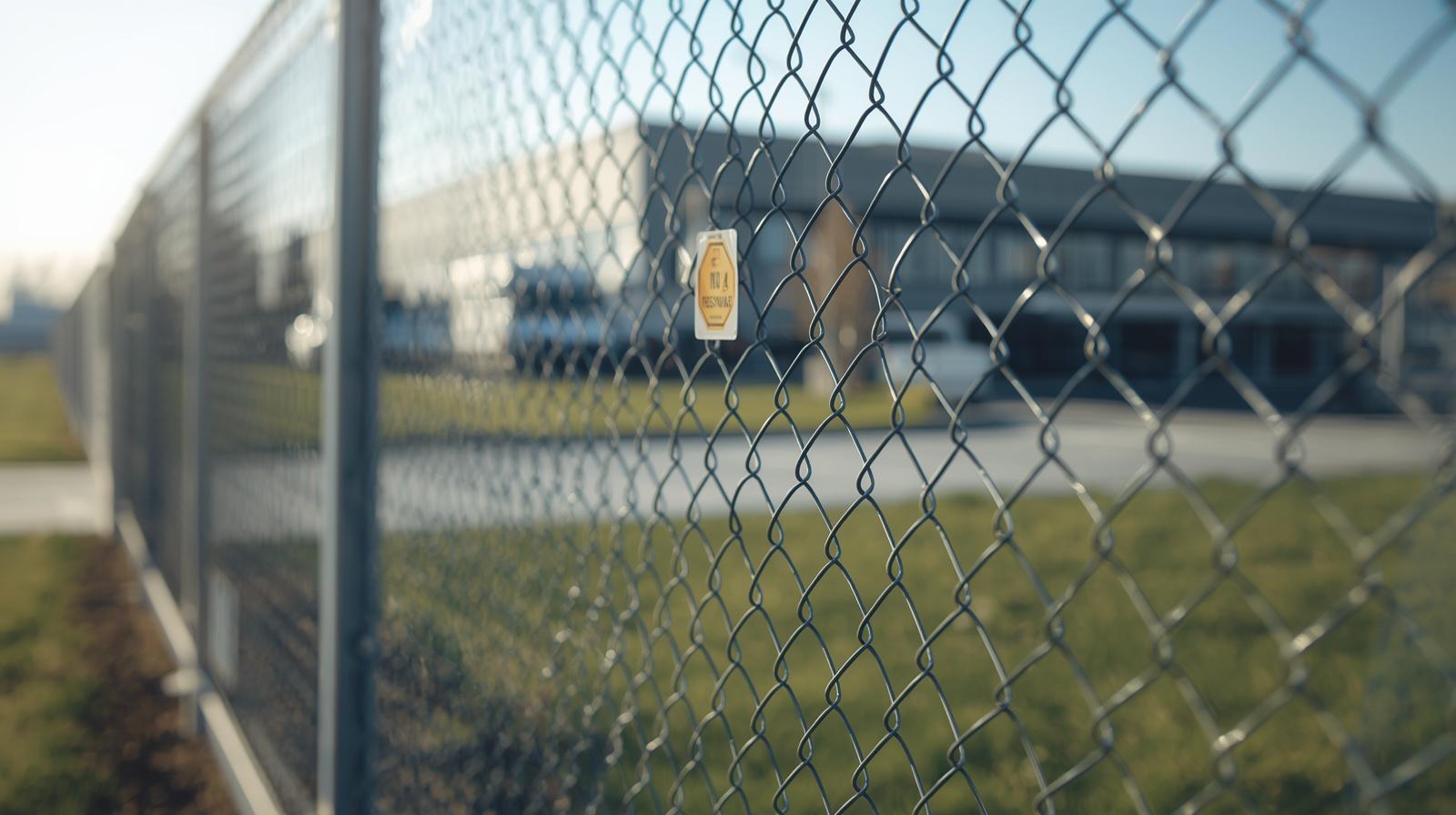
Commercial fence installation in Edgerton, WI should be treated as a permit-reviewed project, not a minor site add-on. The city maintains a building permit portal and permit resources, and its zoning code includes specific fence rules for nonresidential properties, including acceptable materials, street-yard opacity limits, height standards, and a site plan approval requirement for fences in street yards.
Why Fence Permits Matter in Edgerton, WI
For commercial properties in Edgerton, a fence affects much more than appearance. It can change traffic circulation, employee and vendor access, outdoor storage, screening, visibility, and how the site functions overall. That is why permit review matters. Edgerton’s public building resources and zoning code make clear that fence work belongs inside the city’s formal permit and zoning process, not outside of it.
For a business owner, the practical takeaway is simple: if the fence is tied to security, contractor access, storage, screening, or gate control, it should be planned early. Waiting until late in a broader site project often causes delays because the city may need to review not just the fence itself, but how it fits frontage conditions, site access, and zoning rules.
Do You Need a Permit for a Commercial Fence in Edgerton?
Edgerton’s official resources indicate that fence work should be handled through the city’s permit and zoning framework. The city maintains a building permit portal, publishes forms and permits, and regulates fences through its zoning code.
For practical planning, commercial owners should assume fence installation is a permit-and-zoning matter until the city confirms otherwise. That is the safest way to avoid ordering materials, mobilizing labor, or laying out gates before the site has been checked against current local rules.
What Edgerton Commonly Requires for Review
Edgerton’s public materials do not present a short commercial-only fence checklist in the snippets I reviewed, but they do show that the city publishes permit access points and current zoning rules. That strongly suggests that a commercial fence submission should be site-based and detailed enough for local review.
For a commercial fence project, the safest assumption is that your submittal should clearly identify:
the fence layout
fence height and type
property lines and site relationship
gate and access-point locations
nearby streets, drives, or loading areas
any street-yard or frontage conditions
That is the most grounded way to prepare for review based on the city’s code structure and performance standards.
Key Edgerton Fence Rules That Matter for Commercial Properties
This is where Edgerton becomes more specific than a generic permit page. In the city’s performance standards, any fence within a street yard may be a maximum of 50% opaque. That matters immediately for commercial sites with visible frontage or perimeter fencing near a road.
The same standards say that in nonresidential districts, acceptable fence materials include wood, stone, brick, wrought iron, chain-link, and wire-mesh. That gives commercial owners a useful baseline for what the city expects to see in business and industrial settings.
The code also says that fences in street yards require site plan approval. That is a major local planning point because it means the city may not treat a street-facing fence as a simple field change or routine install.
Height rules matter too. The code says fences may be up to:
four feet in required front yards or required street yards
six feet on residentially zoned property in side or rear yards
eight feet on nonresidentially zoned property in side or rear yards
For commercial owners, that means the location of the fence on the lot can matter just as much as the fence type itself.
Zoning, Placement, and Site Layout
One of the easiest ways a commercial fence project gets delayed is through unclear placement. On a business property, even a straightforward fence can create issues if it is too close to a drive aisle, blocks visibility, or is laid out without confirming where the street yard begins.
That matters in Edgerton because the city regulates both opacity and site plan approval in street-yard areas. Owners should not assume the same fence design will work on every edge of the property.
Before submitting permit materials, businesses should verify:
exact property boundaries
which edges of the lot function as street yards
relationship to drives, parking, and loading areas
gate swing or slide clearance
whether visibility near entrances is affected
This is especially important because the street-yard rules can change what is compliant, even when the same fence would be acceptable elsewhere on the site.
Site Plan Review and Why the Whole Property Matters
This is one of the most important local planning points. Edgerton specifically requires site plan approval for fences in street yards. That means the city may review not only the fence itself, but how it fits the broader property layout.
For commercial owners, that means a fence may not be evaluated in isolation if it changes access, storage layout, loading, visibility, or the larger site plan. A fence that looks simple on paper may still need more careful review if it affects how the site functions.
In practice, this means the best permit submissions usually show how the fence works with the property instead of showing only a rough fence line.
Gates, Access Points, and Security Features
Commercial fences often include more than fence runs. They may also include:
vehicle gates
man gates
service access points
screening sections
upgraded security areas
These details matter because they affect how the site operates. A fence that looks fine as a boundary line may still fail functionally if gate placement interferes with truck turns, delivery timing, or employee access. In Edgerton, those issues are especially important where gates and fencing approach a street yard, because opacity and site-plan review rules may change what is compliant.
For higher-security commercial sites, owners should also think carefully about whether an eight-foot side- or rear-yard fence is enough, or whether the project may need a different layout strategy to stay both effective and compliant.
Utilities, Digging, and Site Conditions
Fence work often seems simple until excavation begins. Underground utility conflicts, drainage issues, and access limitations can quickly change the project. While the city resources I reviewed do not show a fence-specific utility checklist, Edgerton’s formal permit and zoning process makes it smart to resolve site conditions early rather than after submission.
Before construction, businesses should verify:
underground utility locations
drainage routes
whether easements affect the fence line
whether posts or gates interfere with access or circulation
That is standard good practice for any permit-reviewed exterior improvement and is especially important on commercial sites where redesigns are costly.
Common Compliance Problems
The biggest compliance problems usually come from planning gaps rather than the fence material itself. Common trouble spots include:
assuming the same height works everywhere on the site
overlooking street-yard opacity limits
not accounting for site plan approval needs
submitting vague layouts
placing gates where they disrupt access or visibility
treating the fence as separate from the rest of the site plan
These mistakes can lead to revisions, added review time, or redesign after materials have already been priced or ordered. Edgerton’s code is specific enough that fence planning should be treated as a real design-and-review step, not a field decision.
Why Midwest Conditions Still Matter
Even though permits are mainly about compliance, local weather still matters. In Edgerton, commercial fences must handle freeze-thaw movement, snow loading, moisture exposure, and wind. That affects post depth, coatings, and long-term performance. A fence that technically meets code but is poorly suited to South Central Wisconsin conditions can still become an expensive maintenance problem later.
This is one reason durable materials and realistic site planning matter at the permit stage. A stronger plan on paper usually leads to a better-performing fence in the field.
Best Practices Before You Apply
To keep a commercial fence permit process moving more smoothly in Edgerton, businesses should:
finalize the fence layout early
verify lot lines and street-yard conditions before submission
identify fence height and opacity clearly
show gate and access locations
coordinate the fence with the broader site plan
submit complete paperwork the first time
Doing that up front usually saves more time than trying to correct layout or zoning issues after review has started.
FAQs
Do commercial fences need permit review in Edgerton, WI?
Edgerton’s official resources indicate that fence work is handled through the city’s formal permit and zoning framework.
What fence materials are allowed in nonresidential districts?
The code lists wood, stone, brick, wrought iron, chain-link, and wire-mesh as acceptable materials in nonresidential districts.
What is the street-yard opacity rule?
Any fence within a street yard may be no more than 50% opaque.
Do fences in street yards need extra review?
Yes. The code says fences in street yards require site plan approval.
How tall can a commercial fence be?
The code says four feet in required front yards or required street yards and eight feet on nonresidentially zoned property in side or rear yards.
Request a Site Visit & Permit Guidance in Edgerton & South Central Wisconsin
If you're planning a commercial fencing project in Edgerton, WI, Rockford Fence helps businesses move from site planning to installation with fewer surprises.
We help commercial clients review layout options, plan fence and gate placement, prepare for local permit requirements, and install durable fencing suited for Midwest conditions.
Contact Rockford Fence today to schedule a commercial fence consultation and permit review in Edgerton, WI.
