
Commercial Fence Permits in Marengo, IL: Planning & Compliance
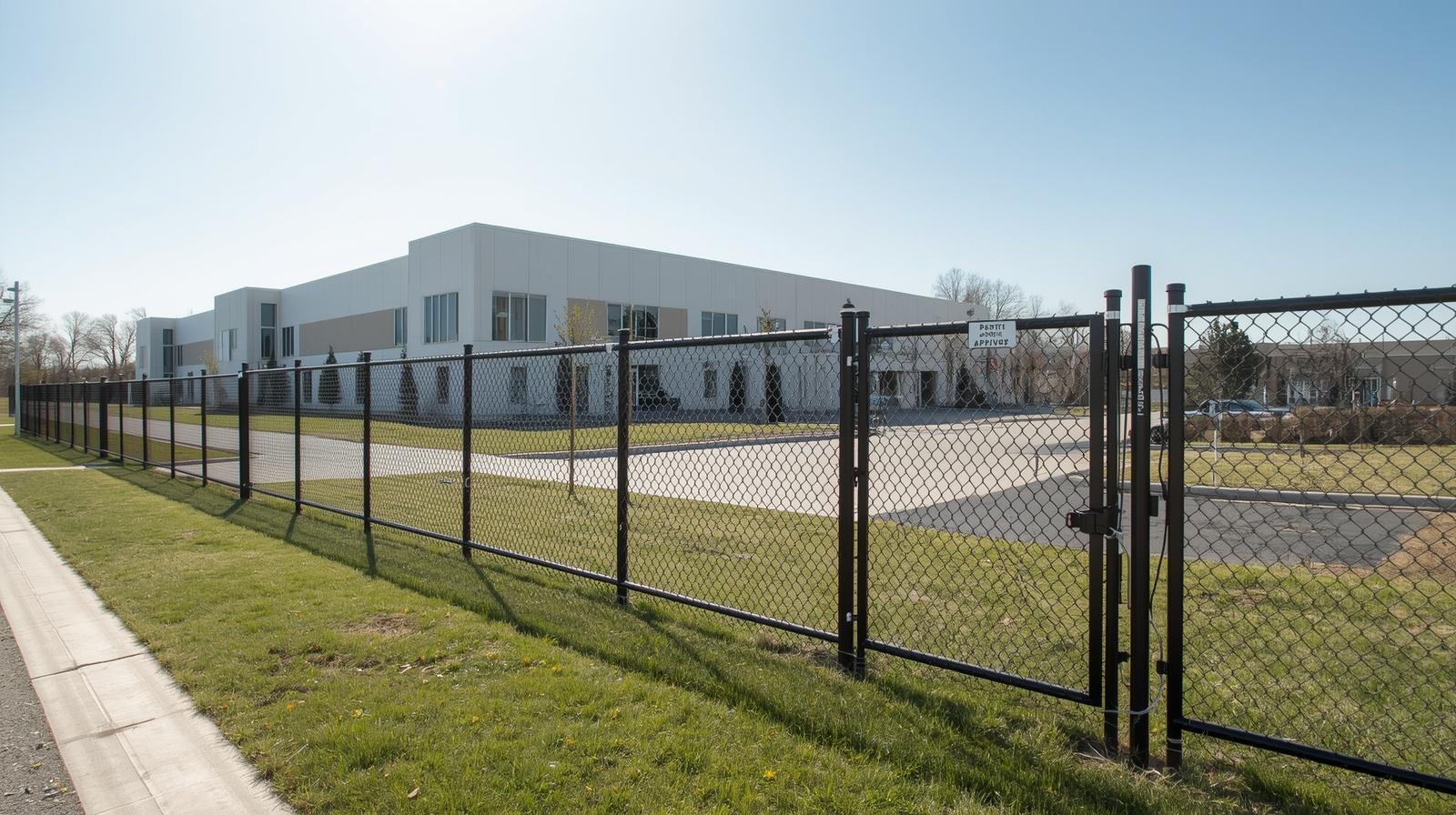
Commercial fence installation in Marengo, IL should be treated as a formal permit-reviewed project, not a minor site add-on. Marengo’s published fence guidance states that a building permit is required for all fences, and the city’s permit materials and fee schedule show that fence work goes through the Building Department review process and requires a final inspection. The city’s current published fee schedule lists a $50 fence permit fee.
Why Fence Permits Matter in Marengo, IL
For commercial properties in Marengo, IL, a fence can affect much more than appearance. It can change how vehicles move through the site, where deliveries occur, how employee and vendor access is controlled, and whether the property remains aligned with local building and zoning expectations. That is why permit review matters. Marengo’s Building Department publicly states that applications are available for common projects and specifically publishes fence-related guidance, while the city’s fence FAQ says a permit is required for every fence.
For a business owner, the practical takeaway is simple: a fence should be planned early, especially if it is tied to site security, storage yards, contractor access, tenant improvements, or gate installations. Waiting until the end of a project often causes avoidable delays because the permit process still has to happen before work begins. Marengo’s Building Department also tells applicants to call J.U.L.I.E. before digging, which reinforces that fence installation is treated as real construction work rather than casual property maintenance.
Do You Need a Permit for a Commercial Fence in Marengo?
Yes. Marengo’s published Fence Requirements FAQ says directly that a building permit is required for all fences. The city’s applications page also lists an Accessory Structure Permit Application that includes fences, and the building department page points applicants to permit applications and inspection procedures.
That matters because some owners assume a fence replacement or new perimeter run is too minor to need formal review. Marengo’s published materials point the other way. If the city says all fences require permits, then a commercial fence should absolutely be planned as permit-required work. That is especially important if the project also includes gates, changes to site access, or coordination with other exterior improvements.
What Marengo Commonly Requires for Permit Review
Marengo’s public materials show that fence work goes through the same general permit structure as other accessory improvements. The city publishes an accessory structure permit application that covers fence, shed, pool, hot tub or spa, deck, ramp, gazebo, garage, and dog run work. The application also states that all permits require a final inspection.
For a commercial fence project, businesses should be prepared to provide enough information for the city to understand how the fence fits into the site. In practice, that usually means:
a site plan or sketch showing the fence layout
fence height and fence type
relationship to lot lines and structures
gate and access-point locations
project and contractor information as needed
While Marengo’s public-facing permit materials are not written as a detailed commercial-fence checklist, the city’s process clearly expects permit applications rather than informal descriptions. The more clearly the fence is shown in relation to the property, the easier review tends to be.
Permit Fee and Inspection Requirements
One of the most useful local details is that Marengo’s published fee schedule includes a specific fence permit fee of $50. The accessory permit application also says payment is due when the permit is ready to issue, not with the initial application, and repeats that all permits require a final inspection.
That means commercial owners should budget not only for the permit itself, but also for the administrative steps around the permit:
preparing the application
waiting for issuance
scheduling inspection
addressing any corrections before close-out
Marengo’s fence FAQ also states that inspections should be scheduled at least 24 hours in advance by contacting the Building Department. That is a small detail, but it matters when trying to close out a project on time.
Property Boundaries, Placement, and Layout
One of the easiest ways a commercial fence project gets delayed is through unclear placement. On a business property, even a straightforward fence can create issues if it is too close to a drive aisle, interferes with service circulation, or is planned without confirming lot lines first.
Before submitting permit materials, businesses should verify:
exact property boundaries
relationship to buildings and pavement
gate clearances and turning areas
employee, customer, and delivery access
whether the fence changes traffic movement on site
This matters even more for commercial properties than for residential ones because commercial sites usually have more moving parts: service traffic, truck access, parking circulation, loading areas, and equipment storage. A fence that looks fine in isolation may still need adjustment once the whole site is considered.
Height, Fence Type, and Code Compliance
Marengo’s fence FAQ ties fence requirements back to the city code, and the city’s building code materials include technical fence standards. One published building-code source includes provisions addressing chain-link mesh size and barbed-wire fences, which shows that Marengo’s code does not treat all fence designs the same.
For commercial owners, the practical lesson is that height, type, and design matter. A fence is not reviewed only as a line on a site plan. The city’s code and permit materials show that construction details can matter too. That is especially relevant if the project includes:
chain link with add-ons
barbed-wire or deterrent features
taller security fencing
decorative steel or aluminum systems
gates connected to vehicle or service access
In other words, a fence should not be submitted as “security fence” without real detail. The more specific the application is, the smoother the review process is likely to be.
Utilities, Digging, and Site Conditions
Marengo’s Building Department page specifically instructs applicants to call J.U.L.I.E. before digging. That is an important local reminder because fence work often seems simple until excavation starts. Underground utilities, drainage patterns, or tight access can change the project quickly.
Before installation, businesses should confirm:
utility locations
drainage conditions
whether any easements affect the fence line
whether gates or posts interfere with circulation or access
These site conditions may not always show up on a basic sketch, which is why a more complete layout review early in the process is worth the effort.
Common Compliance Problems
The biggest compliance problems usually come from planning gaps rather than the fence material itself. Common trouble spots include:
assuming a permit is not needed
submitting incomplete paperwork
not showing gate locations clearly
misjudging lot lines
overlooking utility issues
failing to plan for final inspection
choosing a fence type without checking code-related limits
These mistakes can lead to revision requests, project delays, or extra cost if materials have already been ordered.
Why Midwest Conditions Still Matter
Even though permits are mainly about documentation and compliance, local weather still matters. In Marengo, commercial fences must handle:
freeze-thaw movement
snow loading
seasonal moisture
wind exposure on taller sections
That affects post depth, coatings, and long-term performance. A fence that technically gets permitted but is poorly suited to local conditions can still become a maintenance problem later. Good permit planning and good material planning should happen together.
Best Practices Before You Apply
To keep a commercial fence permit process moving more smoothly in Marengo, businesses should:
finalize the fence layout early
verify lot lines before submitting
identify fence type and height clearly
show gate and access locations
account for utilities before digging
submit complete paperwork the first time
leave room for final inspection scheduling
Doing that upfront usually saves more time than trying to fix layout or documentation issues after review has already started.
FAQs
Do commercial fences need permits in Marengo, IL?
Yes. Marengo’s published fence FAQ states that a building permit is required for all fences.
What permit form is commonly used?
The city’s applications page lists an Accessory Structure Permit Application that includes fences.
How much is the fence permit fee?
Marengo’s published fee schedule lists a $50 fence permit fee.
Are inspections part of the process?
Yes. Marengo’s published permit materials say all permits require a final inspection, and the fence FAQ says inspections should be scheduled at least 24 hours in advance.
Does the city say anything about digging?
Yes. Marengo’s Building Department tells applicants to call J.U.L.I.E. before digging.
Request a Site Visit & Permit Guidance in Marengo & Northern Illinois
If you're planning a commercial fencing project in Marengo, IL, Rockford Fence helps businesses move from site planning to installation with fewer surprises.
We help commercial clients review layout options, plan fence and gate placement, prepare for local permit requirements, and install durable fencing suited for Midwest conditions.
Contact Rockford Fence today to schedule a commercial fence consultation and permit review in Marengo, IL.
