
Commercial Fence Permits in Poplar Grove, IL: Planning & Compliance
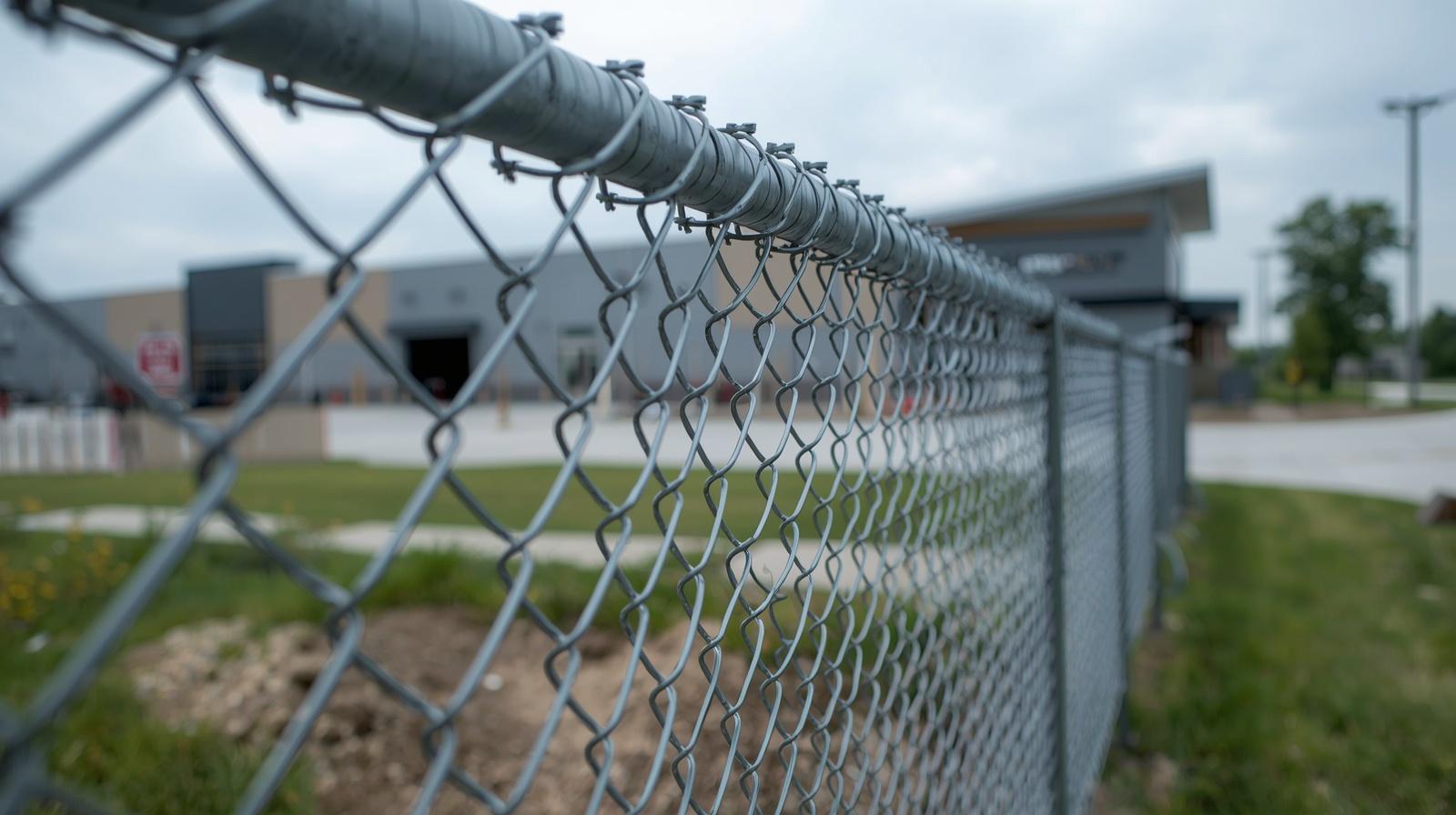
Commercial fence installation in Poplar Grove, IL should be treated as a permit-reviewed project, not a minor site add-on. The Village publishes a dedicated Fence Checklist under Building forms, and its building guidelines state that permit submittals go to Village Hall with a $25 application fee and typically require drawings plus a site plan or plat of survey.
Why Fence Permits Matter in Poplar Grove, IL
For commercial properties, a fence affects more than the lot line. It can change site circulation, service access, employee movement, screening, security, and how the property relates to neighboring parcels. That is why permit review matters. Poplar Grove’s Building section maintains permit forms specifically for fences and separate building-code guidance for project submittals, which shows the Village treats fence work as formal construction review rather than casual maintenance.
For a business owner, the practical takeaway is simple: if the fence is part of site security, storage, equipment screening, or traffic control, it should be planned early. Waiting until the end of a broader site project often creates delays because the permit package still has to be prepared, submitted, and reviewed before work starts. Poplar Grove’s guidelines also require coordination with utility locating before digging, which reinforces that fence installation is handled as real construction activity.
Do You Need a Permit for a Commercial Fence in Poplar Grove?
In practice, yes. Poplar Grove’s Building forms page includes a dedicated Fence Checklist, alongside the Building Permit Application and Permit Fee Schedule. That combination strongly indicates fence work is part of the Village’s permit workflow rather than exempt routine work.
The Village’s broader building guidance also says that all permits must be submitted to Village Hall with an application fee and supporting plans. While that guidance is not fence-specific, it applies to building permit submittals generally and supports treating commercial fence work as permit-required unless the Village says otherwise for a very narrow case.
For business owners, that means fence projects should be approached as permit work when you are:
installing a new perimeter fence
replacing a substantial existing fence
adding security fencing
modifying layout, access points, or gates
tying the fence into a larger site improvement
What Poplar Grove Commonly Requires for Permit Review
The Village’s building guidelines say permit submissions must go to Village Hall with a $25 application fee and include project documentation. Specifically, the guidelines say three sets of drawings must be submitted showing construction details, and three copies of a site plan or plat of survey must show the project location, dimensions, and distances to lot lines.
For a commercial fence project, that means owners should be ready to provide enough information for the Village to understand exactly how the fence fits the site. In practical terms, that usually means:
a completed building permit application
fence layout on a site plan or plat of survey
fence height and type
distances to lot lines
gate and access-point locations
relevant project details for the site
Because Poplar Grove separately publishes a Fence Checklist, it is smart to assume the Village expects fence-specific details, not just a generic note that “a fence will be installed.”
Permit Fees and Submittal Basics
One useful local planning detail is the Village’s published statement that permit applications require a $25 application fee at submission. That is not necessarily the entire project cost from a permitting standpoint, but it is a clearly published upfront requirement in the building guidelines.
The same guidance says applicants must submit:
three sets of drawings
three copies of a site plan or plat of survey
additional grading information where applicable
For commercial fence projects, the site plan element is especially important because the Village wants dimensions and distances to all lot lines shown. That matters for compliance, but it also matters operationally because commercial fences often interact with parking, drive aisles, storage areas, and loading zones.
Property Boundaries, Placement, and Site Layout
One of the biggest reasons fence permits get delayed is not the fence material itself. It is unclear placement.
On a commercial property, even a simple fence can create problems if it is:
too close to a drive aisle
placed without confirming property boundaries
interfering with service access
affecting visibility near entrances
not coordinated with existing buildings or pavement
That is why Poplar Grove’s building guidance emphasizes the site plan or plat of survey. The Village wants the location of the project and the distances to lot lines shown clearly. For a commercial fence, that usually means owners should verify the layout before filing the application rather than trying to resolve lot-line questions later.
Before submitting, businesses should confirm:
exact lot lines
relationship to buildings and pavement
gate swing or slide clearances
employee and delivery access
whether the fence changes site circulation
Utilities, Digging, and Public-Site Concerns
Poplar Grove’s building guidelines explicitly state that it is the responsibility of the applicant, contractor, or owner to arrange for underground utilities to be located prior to any digging, and they direct applicants to contact J.U.L.I.E. at 811 at least 48 hours in advance.
That matters because fence work often seems simple until excavation begins. Utility conflicts, drainage issues, and tight access can change the project quickly. Commercial owners should verify:
underground utility locations
drainage conditions
whether any easements affect the fence line
whether posts or gates interfere with circulation or access
The Village’s building guidance also mentions a Right-of-Way Bond and instructs applicants to contact Village Hall for details, which is a signal that projects affecting right-of-way conditions may involve additional requirements.
Zoning and Site Context
Poplar Grove also publishes a Zoning Map, which is helpful because fence expectations often vary by site context and district. The Village’s comprehensive plan update identifies current zoning districts including business and industrial classifications such as General Business, Light Industrial, and Heavy Industrial, which signals that commercial fence planning should be considered in the context of the property’s zoning and use.
For a business owner, the practical takeaway is that a fence should not be planned in isolation. It should be coordinated with:
the site’s zoning context
access and circulation
any broader site improvements
visibility and screening needs
gate placement and security goals
Common Compliance Problems
The biggest compliance problems usually come from planning gaps, not the fence material itself. Common trouble spots include:
assuming a fence does not need a permit
submitting incomplete paperwork
not providing a clear site plan or survey
failing to show distances to lot lines
overlooking utilities before digging
not coordinating gates with site access
treating the fence as separate from the rest of the property plan
These mistakes can lead to revision requests, delays, or extra cost if materials have already been ordered.
Why Midwest Conditions Still Matter
Even though permits are mainly about documentation and compliance, local weather still matters. In Poplar Grove, commercial fences must handle:
freeze-thaw movement
snow loading
seasonal moisture
wind exposure on taller sections
That affects post depth, coatings, and long-term performance. The Village’s building guidelines even call out grading-plan review in some project contexts, which underscores that site conditions matter, not just the fence itself.
Best Practices Before You Apply
To keep a commercial fence permit process moving more smoothly in Poplar Grove, businesses should:
finalize the fence layout early
verify lot lines before submission
use a clear site plan or plat of survey
identify fence type and height clearly
show gate and access locations
account for utilities before digging
submit complete paperwork the first time
leave room for any follow-up review
Doing that up front usually saves more time than trying to fix layout or documentation issues after review begins.
FAQs
Do commercial fences need permits in Poplar Grove, IL?
Poplar Grove publishes a dedicated Fence Checklist under its Building forms and requires permit submittals through Village Hall, so commercial fence work should be treated as permit-reviewed construction.
What documents are usually required?
The Village’s building guidelines say permit submissions require project drawings and a site plan or plat of survey showing the project location, dimensions, and distances to lot lines.
Is there an application fee?
Yes. Poplar Grove’s published building guidelines state that permit applications must be submitted with a $25 application fee.
Does the Village mention utility locating?
Yes. The guidelines say the applicant, contractor, or owner is responsible for arranging underground utility locating and should contact J.U.L.I.E. 48 hours before digging.
Does zoning matter?
Yes. The Village publishes a zoning map, and its current planning documents identify multiple business and industrial districts, so fence planning should be coordinated with the site’s zoning context and use.
Request a Site Visit & Permit Guidance in Poplar Grove & Northern Illinois
If you're planning a commercial fencing project in Poplar Grove, IL, Rockford Fence helps businesses move from site planning to installation with fewer surprises.
We help commercial clients review layout options, plan fence and gate placement, prepare for local permit requirements, and install durable fencing suited for Midwest conditions.
Contact Rockford Fence today to schedule a commercial fence consultation and permit review in Poplar Grove, IL.
