
Commercial Fence Permits in Rochelle, IL: Planning & Compliance
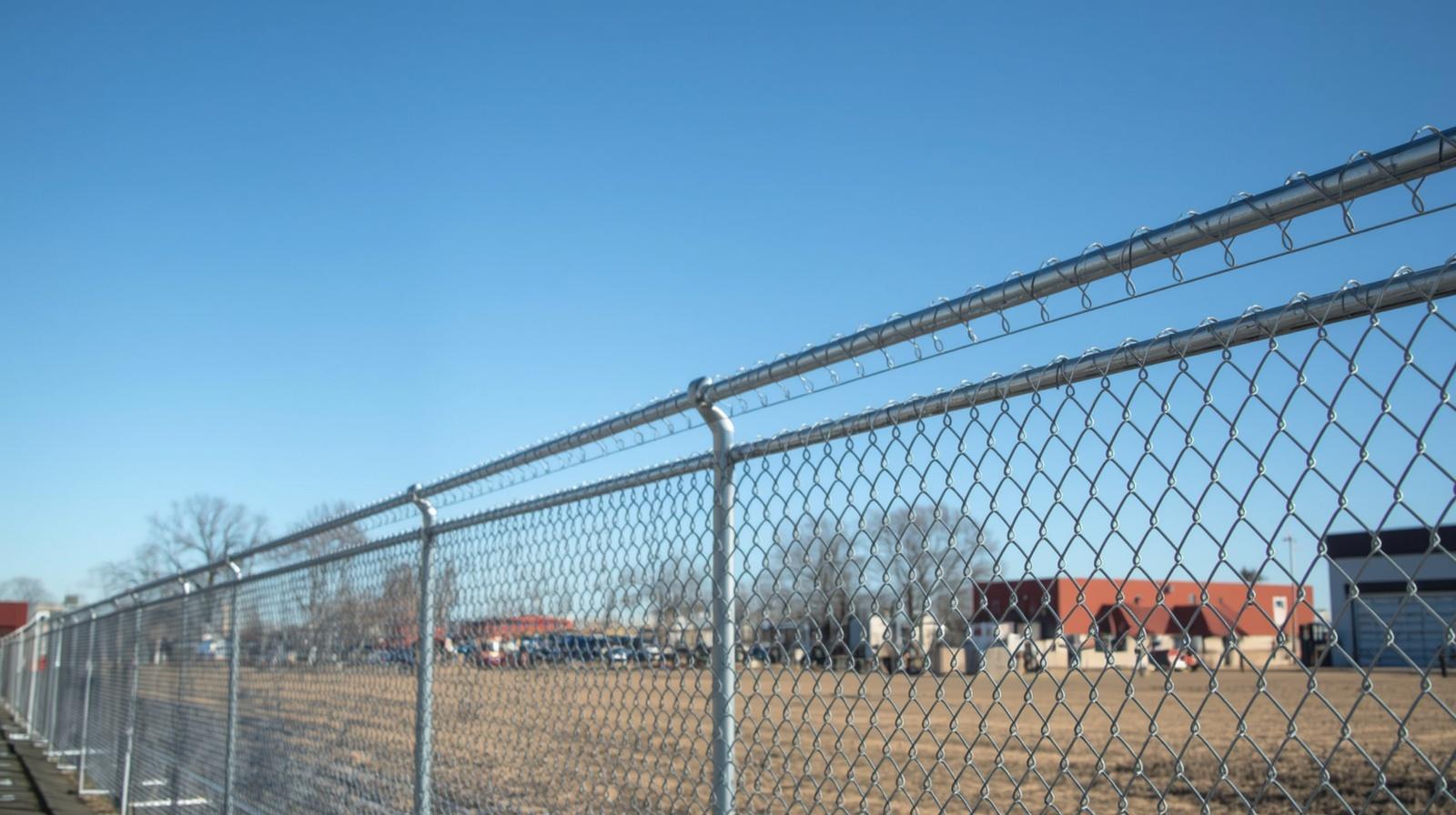
Commercial fence installation in Rochelle, IL should be treated as a formal building project, not a minor site add-on. The city’s Building Division states that building permits are required for all additions, modifications, or improvements, and its published forms include a dedicated Fence Information Packet, which strongly supports planning commercial fencing as permit-reviewed work from the start.
If you are planning a commercial fence in Rochelle, IL, expect to deal with permit review, site planning, and code compliance before installation begins. The biggest issues are usually not the fence material itself, but whether the project is clearly documented, aligned with property boundaries, and coordinated with gates, access, utilities, and overall site layout. Rochelle’s Building Division also requires inspections to be scheduled through the department, so the permit process affects both the front and back end of the project.
Why Fence Permits Matter in Rochelle, IL
For commercial properties, a fence can affect much more than appearance. It can change how vehicles move through the site, where deliveries occur, how employee and customer access is controlled, and whether the property remains compliant with local safety and development expectations.
That is why permits matter. A permit process helps confirm that the planned fence fits within the broader property layout and does not create avoidable issues related to access, visibility, site circulation, or general code compliance. Rochelle’s building guidance makes clear that the city does not treat improvements casually. If the work counts as an addition, modification, or improvement, a permit is required.
For business owners, that means a fence should be planned early, especially if it is part of a larger site upgrade, tenant improvement, access-control change, or security enhancement.
Do You Need a Permit for a Commercial Fence in Rochelle?
In practice, yes. Rochelle’s Building Division states that permits are required for all additions, modifications, or improvements. The city also separately publishes a Fence Information Packet through its building documents, which makes it clear that fence construction is a recognized permit category rather than informal site work.
That matters because many business owners assume fences are simple enough to install without review, especially if they are only replacing an older fence or adding a run along the back of a property. Rochelle’s published guidance suggests that assumption is risky. If the city treats the work as an improvement, permit review should be expected.
What Rochelle Commonly Requires for Fence Permit Review
The city’s published building materials show that Rochelle expects formal permit applications and project documentation. Because Rochelle includes a separate Fence Information Packet among its building department forms, owners should expect to provide fence-specific details rather than relying on a generic verbal description of the job.
For a commercial fence project, the practical documents to prepare are:
a site plan showing where the fence will go
overall fence height and fence type
relationship to lot lines and structures
gate locations and access points
relevant contractor and permit information
The more clearly the site plan shows the fence in relation to the rest of the property, the easier it is for review to move forward. This is especially important on commercial sites with parking, loading zones, service drives, or multiple entry points.
Property Boundaries, Layout, and Access Planning
One of the easiest ways a fence project gets delayed is through unclear placement. On a commercial property, even a seemingly simple fence can create problems if it is too close to a drive aisle, conflicts with a service entrance, or is laid out without confirming property boundaries first.
Before applying, businesses should verify:
exact lot lines
building and pavement relationships
drive aisles and delivery routes
gate swing or slide clearances
emergency and service access points
This is one reason site plans matter so much. If the city needs to understand how the fence fits into the larger property layout, a vague sketch can slow the process down.
Rochelle Permit Timing and Scheduling
Rochelle’s public building pages do not present the same detailed commercial permit turnaround chart that some nearby municipalities publish, but they do clearly show that permits are processed through the Building Division and that inspections must be scheduled through that office. In practical terms, commercial owners should assume that fence approval is part of the larger building-review workflow and should build time into the project schedule for application review, revisions if needed, and final inspection coordination.
A good working expectation for commercial fence planning is:
time to prepare plans and application materials
review time from the Building Division
time for any requested corrections or clarifications
inspection scheduling before close-out
The key takeaway is not to order materials or lock in an install date too aggressively before the permit path is clear.
Gates, Site Circulation, and Security Features
Commercial fences often include more than fence runs. They may also include:
man gates
vehicle gates
service access points
security upgrades
screening or privacy elements
These details matter because they change how the city may evaluate the project. A plain perimeter fence is one thing. A fence with controlled access, wider openings, or changes to traffic flow can raise additional review questions.
Businesses should plan gate locations carefully and make sure the permit documents reflect them clearly. A fence layout that ignores turning movements, delivery trucks, or emergency access can create unnecessary revisions later.
Utilities, Easements, and Public-Way Concerns
Even when the fence itself seems simple, the site may not be. Commercial fence projects can run into trouble when owners overlook utility corridors, easements, or the relationship between the proposed fence and nearby public-way areas.
Before installation, businesses should confirm:
underground utility locations
drainage patterns
easements on the site
whether any portion of the fence approaches public-way areas
whether gates or posts could interfere with utility access
These issues do not always show up until layout or digging begins, which is why planning them early is so important.
Common Compliance Problems
The fence material itself is rarely the biggest problem. More often, projects run into issues because of planning gaps. The most common trouble spots are:
assuming the fence is too minor to require a permit
submitting incomplete permit paperwork
failing to show gate locations on the plan
not confirming property lines first
overlooking access, circulation, or utility concerns
treating the fence as separate from the rest of the site plan
These mistakes can lead to delays, revision requests, or extra cost if materials have already been ordered.
Why Midwest Conditions Still Matter
Even though permits are mainly about compliance, climate still matters in Rochelle. Commercial fences have to survive:
freeze-thaw movement
snow loading
seasonal moisture
wind exposure on taller sections
That is relevant to planning because a fence that is poorly designed for local conditions may create performance and maintenance issues later. Rochelle’s Building Division oversees improvements with safety and building standards in mind, so durable, well-documented construction is always a better approach than treating the fence as temporary or low-priority work.
Best Practices Before You Apply
To keep a commercial fence permit process moving more smoothly in Rochelle, businesses should:
finalize the fence layout early
verify lot lines before submitting plans
show gate and access locations clearly
coordinate the fence with the broader site plan
account for utilities and easements
submit complete paperwork the first time
leave room in the schedule for review and inspections
Doing that upfront usually saves more time than trying to fix layout issues after review has already started.
FAQs
Do commercial fences need permits in Rochelle, IL?
Commercial fence work should be treated as permit-required improvement work. Rochelle says permits are required for additions, modifications, or improvements, and the city publishes a dedicated Fence Information Packet.
What does Rochelle use to review a fence project?
At minimum, expect the city to rely on formal permit paperwork and fence-specific documentation. A site plan and fence details are the safest assumption for commercial work.
Are inspections part of the process?
Yes. Rochelle’s Building Division FAQ says inspections are scheduled through the department.
What usually causes delays?
Incomplete paperwork, unclear site plans, uncertain lot lines, and unresolved gate or access issues are among the most common causes.
Should I plan the fence separately from the rest of the site?
No. On a commercial property, the fence should be planned as part of the overall site layout, especially if gates, circulation, loading, or security are involved.
Request a Site Visit & Permit Guidance in Rochelle & Northern Illinois
If you're planning a commercial fencing project in Rochelle, IL, Rockford Fence helps businesses move from site planning to installation with fewer surprises.
We help commercial clients review layout options, plan fence and gate placement, prepare for local permit requirements, and install durable fencing suited for Midwest conditions.
Contact Rockford Fence today to schedule a commercial fence consultation and permit review in Rochelle, IL.
