
Commercial Fence Permits in Sycamore, IL: Compliance Guide for Businesses
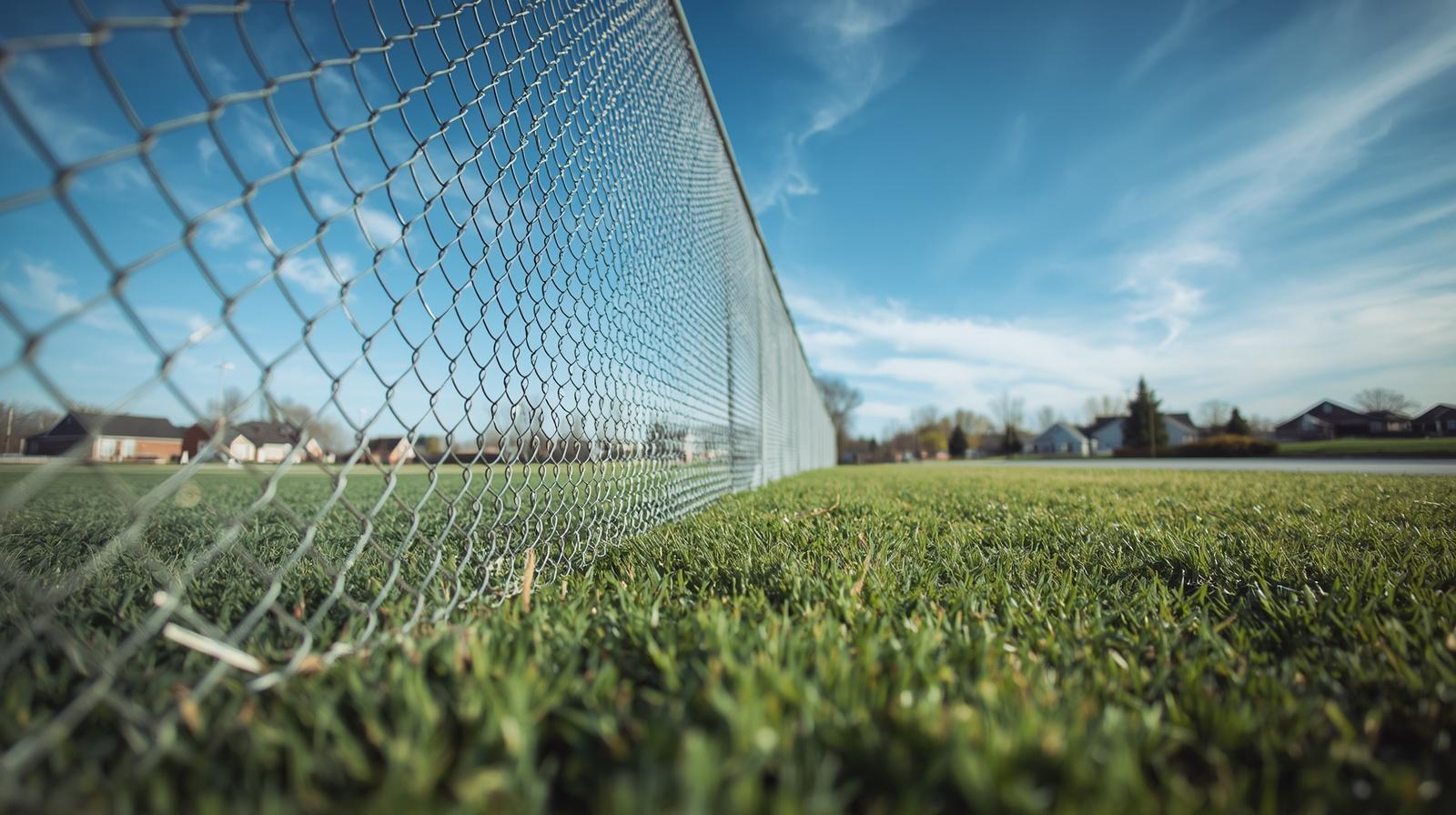
Commercial fence installation in Sycamore, IL should be treated as a permitted construction project. The city’s Building Division issues permits for commercial construction, alterations, renovations, and fences, and published permit timing shows commercial and industrial projects typically take 3–4 weeks, while some other permit types may move faster depending on scope and completeness.
Why Fence Permits Matter in Sycamore, IL
For commercial properties in Sycamore, IL, fence permits are not just an administrative step. They help ensure a project aligns with local building oversight, site safety expectations, and zoning compliance.
For a business owner, that means a fence project can affect more than appearance. It may influence access control, lot layout, traffic flow, sightlines, drainage conditions, and the relationship between improvements and property boundaries. If the premises do not comply with city requirements, permit approval can be delayed or denied.
Do You Need a Permit for a Commercial Fence in Sycamore?
In practice, yes. Commercial fence work in Sycamore should be approached as permit-required work. The city’s Building Division states that it issues permits for fences as part of its oversight of residential and commercial construction activity. The city also publishes fence guidance confirming that a permit is required prior to fence construction, even though that handout is written for residential fences. Taken together, those sources support treating commercial fence work as a formal permit matter rather than informal site work.
That matters because commercial projects are commonly reviewed differently from small residential improvements. Sycamore’s permit information distinguishes commercial and industrial projects from residential and other permit types, and states that commercial and industrial permit issuance commonly runs 3 to 4 weeks.
What the City Commonly Needs for Permit Review
Sycamore’s permit materials make clear that site plans and project information are part of the approval process. The city’s fence handout says applicants must provide document submittals before permit issuance, and the city’s general permit application includes a specific checkbox for fence along with fields for fence type and height.
For commercial fence work, businesses should be prepared to provide:
a site plan showing the proposed fence layout
fence height and type
property boundary relationship
building, driveway, and access-point locations
gate locations, where applicable
contractor and project information when required
The city’s commercial and industrial permit application language is broader and more demanding than residential paperwork, noting that commercial and industrial submittals can require multiple paper copies of plans and electronically submitted materials, depending on project type. That does not necessarily mean every fence permit requires architect-stamped drawings, but it does show that the city treats commercial permit submissions more formally than minor household projects.
Permit Timeline in Sycamore
This is one of the most useful local details for planning. Sycamore’s published permit lead times say:
Commercial and industrial projects: 3–4 weeks
Residential projects: 2–3 weeks
All other permits: 5–7 business days
For a business owner, the practical takeaway is that fence work tied to a commercial site should not be scheduled like a last-minute add-on. If the fence affects operations, opening dates, tenant occupancy, delivery access, or broader site improvements, permit lead time should be built into the schedule from the beginning. If your application is incomplete, the timeline can stretch further.
The city’s code materials also say inspections must generally be scheduled at least one business day in advance, which matters when planning close-out and final completion.
Zoning, Placement, and General Compliance
Sycamore’s code makes an important general point: permits cannot be issued for acts or uses that would violate the city’s zoning ordinance. In practical terms, that means even if a fence is structurally simple, it can still run into problems if its location, purpose, or relationship to the lot conflicts with zoning requirements.
For commercial fence planning, that usually means paying close attention to:
property boundaries
lot lines and adjoining uses
access to public ways
visibility at entrances and exits
whether the fence affects any required open areas or site circulation
If the fence is near a public street, alley, sidewalk, or other public way, public-way rules may also matter. That reinforces the need to avoid encroachment or unauthorized construction near public areas.
Easements, Utilities, and Public-Way Issues
Commercial fence projects can run into trouble when they are planned without checking easements, utilities, or right-of-way boundaries. Sycamore publishes utility permit materials emphasizing that a permit must be issued before construction begins in right-of-way contexts, which is especially relevant if a fence or gate could affect a utility area, drainage path, or public access corridor.
Before installation, businesses should verify:
utility easements
drainage routes
underground service lines
lot-line accuracy
public-way clearance
Even when a fence itself seems straightforward, building it over a utility conflict or too close to a public way can create redesign costs later.
Site Planning Issues That Commonly Delay Approval
The most common reasons commercial site work feels stuck are usually not the fence material itself. They are planning issues. In Sycamore, businesses should expect review to move more smoothly when the site plan clearly shows where the fence will go in relation to the building, parking, drive aisles, and lot lines. That is consistent with the city’s use of formal permit application materials and plan submittals for commercial work.
Typical delay points include:
incomplete site plans
unclear lot lines
height or type not identified
missing gate locations
conflicts with access or circulation
right-of-way questions
incomplete permit paperwork
Midwest Conditions Still Matter for Permit Planning
Even though permits are mostly about compliance, climate still plays a role in planning. In Sycamore, fences must survive freeze-thaw movement, moisture exposure, snow loading, and wind. Those realities affect material selection, post depth, and long-term performance. Since the Building Division emphasizes structural integrity and safety as part of permit oversight, it makes sense to plan the fence not just for approval, but for Midwest durability.
Best Practices Before You Apply
For a smoother commercial fence permit process in Sycamore, businesses should:
confirm the fence layout early
verify property lines before final design
identify gate locations and access needs
check whether public-way or utility review could be triggered
submit complete paperwork the first time
build the city’s lead time into the project schedule
This is especially important if the fence is part of a larger property improvement, tenant upgrade, or operational change.
Common Mistakes to Avoid
Businesses often run into preventable issues by:
assuming a fence is too minor to require formal review
waiting too long to start the permit process
failing to verify lot lines before layout
not accounting for gates in the site plan
overlooking easements or right-of-way impacts
treating the fence as separate from the rest of the site plan
These mistakes can cause delays, revisions, added cost, and in some cases the need to move or modify the fence after installation planning has already begun.
FAQs
Do commercial fences need permits in Sycamore, IL?
Commercial fence work should be treated as permit-required work. Sycamore’s Building Division states that it issues permits for fences, and the city’s published fence guidance confirms permits are required prior to fence construction.
How long does permit approval take?
Sycamore’s published timeline says commercial and industrial projects typically take 3–4 weeks.
What information usually needs to be submitted?
A site plan, fence type, fence height, and layout details are commonly part of the city’s permit process, and the city’s permit forms include fence-specific fields.
Can a fence be denied even if it seems simple?
Yes. Permits will not be issued for work that would involve a zoning violation.
Do inspections matter at the end?
Yes. The city’s code materials state inspections generally need to be scheduled at least one business day in advance.
Request a Site Visit & Permit Guidance in Sycamore & Northern Illinois
If you're planning a commercial fencing project in Sycamore, IL, Rockford Fence helps businesses move from site planning to installation with fewer surprises.
We help commercial clients review layout options, plan fence and gate placement, prepare for local permit requirements, and build durable fencing suited for Midwest conditions.
Contact Rockford Fence today to schedule a commercial fence consultation and permit review in Sycamore, IL.
