
Commercial Fence Planning Before Winter in Dixon, IL: Security and Access
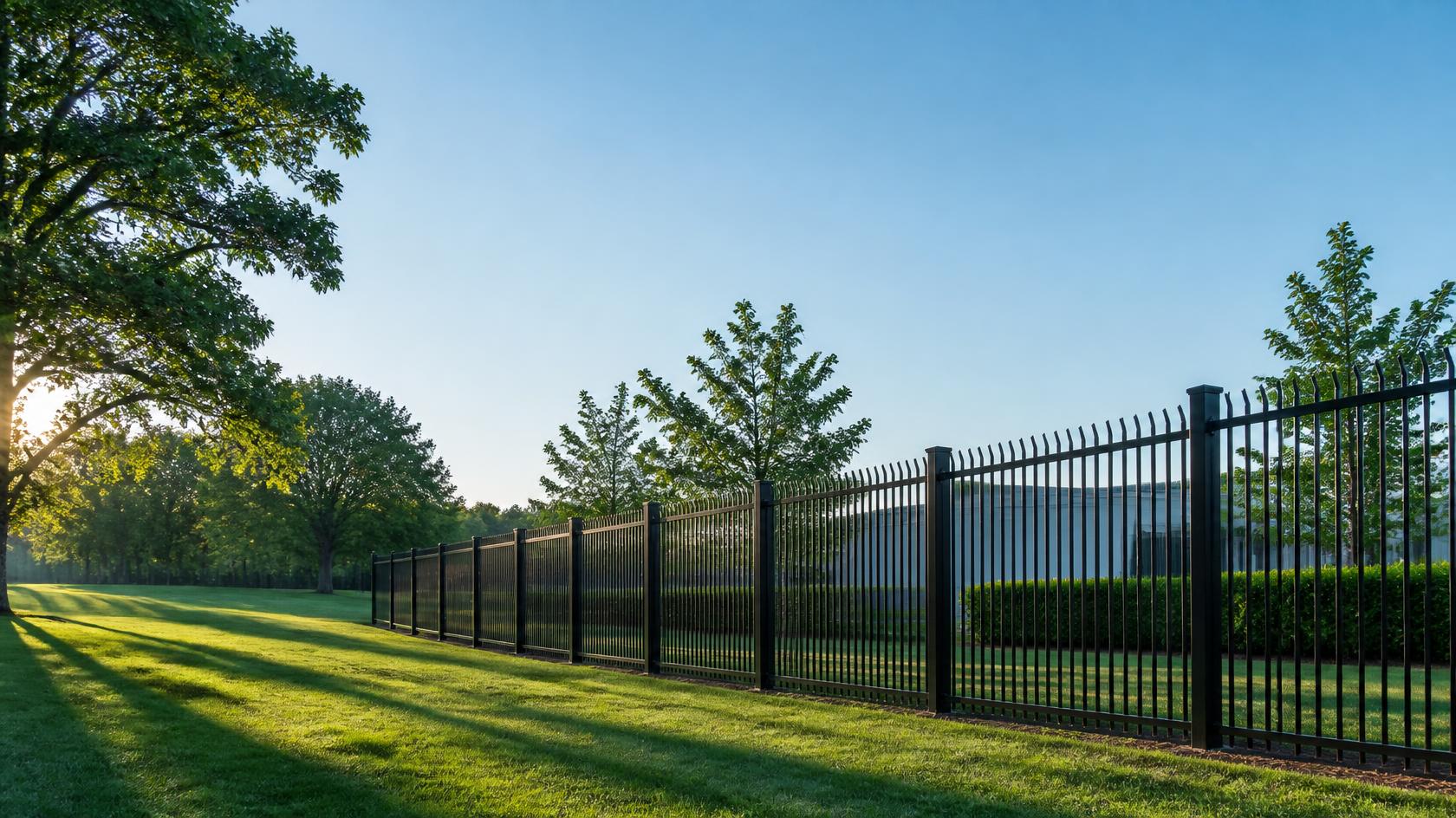
Commercial fence planning before winter in Dixon should focus on two priorities: keeping the perimeter secure and making sure employees, deliveries, equipment, and service vehicles can still move through the property safely. Gate placement, fence condition, traffic flow, snow storage, drainage, and access needs should all be reviewed before colder weather arrives.
Define What the Fence Needs to Control
Before deciding what to repair, replace, or install, identify what the fence is expected to protect.
Commercial properties may need fencing around:
Equipment yards
Outdoor storage
Parking areas
Loading zones
Service entrances
Dumpster enclosures
Restricted areas
Some sections may need stronger perimeter control, while others primarily guide traffic or separate operational areas.
Knowing the purpose of each fence section helps determine where the budget and attention should go first.
Review Security Weak Points Around the Property
Walk the full perimeter before winter and look for areas where access control has weakened.
Pay attention to:
Loose chain link fabric
Leaning posts
Bent rails
Damaged panels
Broken hardware
Ground-level gaps
Gates that do not close completely
Rear property lines and storage areas deserve as much attention as the main entrance.
A fence does not need to be completely damaged to create a weak point. One unstable terminal post or torn section can affect a much larger portion of the perimeter.
Make Gate Access a Priority
Gates often determine how well a commercial fence works day to day.
Before colder weather arrives, test each gate several times.
Check whether it:
Opens smoothly
Clears the ground
Closes completely
Latches without extra force
Locks correctly
Remains aligned with the posts
If a gate is already dragging or sagging in fall, snow and ice may make the problem worse.
Repeated latch adjustment may not solve the issue if the real cause is a shifting gate post, bent frame, or worn hinge.
Plan Gate Width Around Real Traffic
Commercial entrances should fit the vehicles that actually use the site.
Think about:
Delivery trucks
Trailers
Service vehicles
Waste-removal trucks
Snowplows
Equipment
A narrow gate can force drivers into tight turns and increase the chance of hitting posts or nearby fencing.
If an entrance already shows repeated impact damage, winter planning is a good opportunity to determine whether wider clearance or a different approach angle would help.
Bollards, wheel stops, or improved traffic markings may also be useful in high-risk areas.
Consider How Snow Changes Access
A gate that works well in dry weather may become difficult to use once snow begins to accumulate.
Before winter, identify:
Snowplow routes
Snow storage areas
Gate swing zones
Sliding gate travel paths
Narrow vehicle entrances
Avoid storing heavy snow directly against fences or gates when possible.
Snow buildup can reduce gate clearance and place pressure on chain link fabric, rails, posts, and panels.
Sliding gates need enough open space along the fence line to travel freely, while swing gates need clear space in the direction they open.
Check Drainage Near Gates and Fence Posts
Water around posts can contribute to seasonal movement.
Look for:
Standing water
Mud
Erosion
Low spots
Exposed footings
Runoff toward the fence
Dixon properties can experience freeze-thaw conditions that make existing ground problems more noticeable.
If the same gate goes out of alignment each winter, drainage or soil movement may be contributing.
Correcting a gate without considering unstable ground may lead to the same problem returning.
Decide What Should Be Repaired Before Winter
Not every fence issue requires replacement.
Repair may be practical when:
Damage is localized
Most posts remain stable
Chain link fabric remains strong
A rail or fitting is damaged
Gate hardware needs adjustment
Corrosion is limited
These smaller repairs can help restore security without rebuilding an entire section.
The surrounding fence should still be inspected to make sure the visible problem is not part of a larger structural issue.
Know When Replacement May Be the Better Plan
Replacement may make more sense when several problems occur together.
Examples include:
Multiple unstable posts
Widespread corrosion
Brittle chain link fabric
Repeated gate failures
Several bent rails or panels
Frequent repairs in the same area
Sectional replacement may be enough if only one part of the property is badly deteriorated.
Full replacement may be more practical when the overall fence no longer provides dependable security or no longer matches current traffic and access needs.
Review Chain Link Tension and Connections
For commercial chain link fencing, inspect the system as a whole.
Check:
Fabric tension
Tie wires
Tension bars
Tension bands
Top rails
Brace bands
Terminal posts
Loose mesh may be repairable if the fabric is still strong.
However, fabric should not be retensioned until unstable posts or damaged rails are corrected.
Otherwise, the fence may quickly lose tension again.
Plan Around Employee and Delivery Access
Security fencing should control access without interfering with normal operations.
Review how the property functions during a typical day.
Consider:
Employee arrival and departure
Customer parking
Deliveries
Equipment movement
Dumpster service
Contractor access
If fence work is planned before winter, decide which entrances need to remain open.
Properties with one primary vehicle gate may need temporary routing or phased work to avoid unnecessary disruption.
Do Not Overlook Pedestrian Access
Vehicle gates should not automatically handle all foot traffic.
A separate pedestrian entrance may be useful where employees or visitors frequently walk onto the property.
Pedestrian gates should be reviewed for:
Reliable latching
Safe clearance
Stable posts
Winter accessibility
Snow and ice can reduce clearance around smaller gates just as easily as larger vehicle entrances.
The path leading to the gate should also remain usable after plowing.
Inspect Areas Exposed to Repeated Impact
Certain commercial fence sections tend to receive more damage than others.
These often include:
Loading areas
Dumpster enclosures
Parking lot corners
Delivery routes
Equipment yards
Snowplow paths
Fresh scrapes, bent posts, cracked footings, or distorted gate frames can reveal where traffic is affecting the perimeter.
If damage keeps returning, repair alone may not be enough.
Adjusting the layout or adding protection can help reduce future maintenance.
Factor Winter Maintenance Into the Layout
Fence planning should account for how the site will be maintained after snow starts falling.
Facility managers should determine:
Where snow can be stored
How plows will turn
Which gates need continuous access
Whether equipment needs clearance near the fence
Which sections are most vulnerable to snow pressure
These decisions are easier to make before winter than after gates become blocked or fence sections are damaged.
A practical winter plan protects both access and perimeter stability.
Confirm the Scope Before Work Begins
If repairs, replacement, or new installation are planned, make sure the project scope is clear.
The proposal should identify:
Fence sections being addressed
Gate work
Post repair or replacement
Fabric or panel replacement
Removal work
Site preparation
Cleanup
Any excluded work
Clear scope helps businesses understand what will be completed before winter and what may remain for a later phase.
It also makes it easier to compare estimates based on the same work.
Plan Security and Access Together
Commercial fence planning works best when security and access are treated as connected issues.
A strong perimeter is less useful if delivery trucks cannot enter easily. A wide gate is less useful if it does not close securely. A new fence may still develop problems if drainage, snow storage, or traffic patterns are ignored.
Rockford Fence provides commercial fence installation, repair, replacement, chain link fencing, security fencing, gates, dumpster enclosures, and other commercial fence solutions.
Contact Rockford Fence to discuss commercial fence planning in Dixon, IL. The team can evaluate security needs, access points, gate conditions, and winter-related concerns before colder weather arrives.
