
Commercial Fence Planning in South Beloit, IL: Security, Access and Winter Conditions
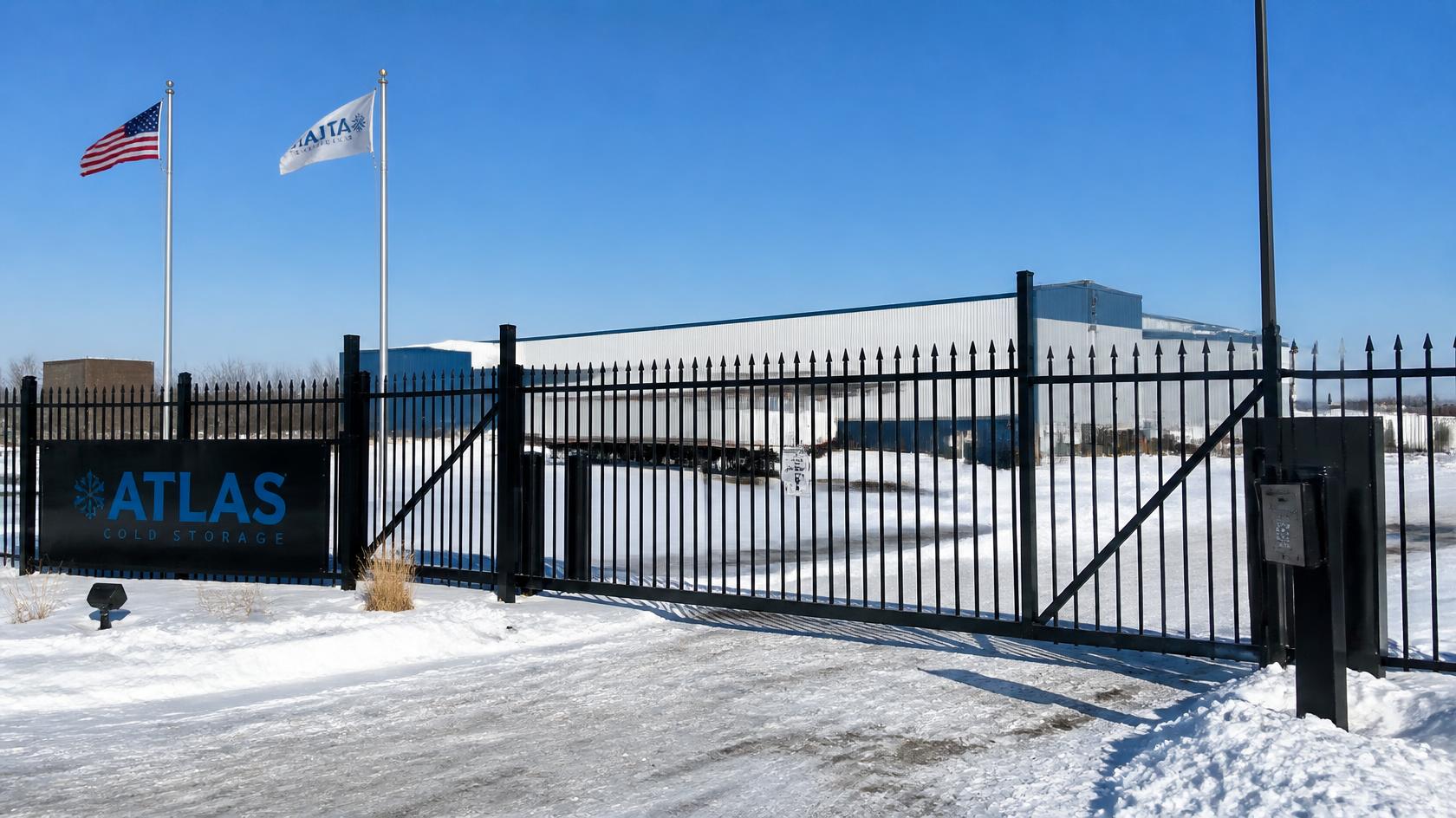
Commercial fence planning in South Beloit should balance security, vehicle and pedestrian access, gate placement, drainage, snow removal, and winter weather. A good layout should protect important areas without creating problems for deliveries, employees, equipment, or seasonal maintenance.
Start With the Property’s Security Needs
Commercial fencing should be planned around how the property operates.
Different areas may need different levels of control, including:
Equipment yards
Outdoor storage
Parking areas
Loading zones
Dumpster enclosures
Service entrances
Restricted spaces
Vehicle access points
Before choosing the fence style or height, identify which areas need the most protection and where people or vehicles must enter.
A fence should create a clear perimeter without interfering with daily operations.
Plan the Fence Around Daily Traffic
One of the most important planning steps is understanding how vehicles and people move through the property.
Review:
Delivery routes
Employee entrances
Customer parking
Maintenance access
Equipment movement
Waste-removal routes
A fence that looks good on a site plan may create problems if it narrows a turning area or places posts too close to vehicle paths.
For properties with trucks, trailers, forklifts, or other equipment, gate openings and nearby fence sections should be planned with enough clearance to reduce accidental impacts.
Choose Gate Locations Early
Gate placement affects the entire fence layout.
Before posts are installed, determine:
Number of gates
Gate widths
Swing or sliding operation
Pedestrian access
Vehicle access
Locking needs
Frequency of use
A gate that is too narrow may become a recurring source of damage.
Wider entrances may be useful where delivery vehicles or equipment regularly enter and exit.
Gate posts also carry more load than standard line posts, so they should be positioned where the ground and surrounding layout provide dependable support.
Consider How Security and Visibility Work Together
Not every commercial property needs a completely screened perimeter.
Chain link and ornamental fencing can provide visibility while defining access-controlled areas.
Visibility may be useful around:
Parking lots
Vehicle entrances
Loading areas
Front-facing business areas
More enclosed fencing may be preferred where screening is important.
The right choice depends on whether the priority is visibility, privacy, appearance, perimeter control, or a combination of these needs.
Some properties may benefit from using different fence styles in different areas.
Plan for Winter Gate Operation
A gate that works well in fall should still function after snow and ice arrive.
For swing gates, consider:
Ground clearance
Snow accumulation
Swing direction
Nearby plowing routes
For sliding gates, think about:
Roller or guide areas
Travel paths
Snow storage
Gravel and debris
Ice buildup
Avoid placing a gate where snow will routinely be pushed into its operating area.
Winter access should be part of the original layout rather than something corrected later.
Review Snow Removal Routes
Snowplow activity can affect both fences and gates.
Before installation, identify:
Parking lot plow routes
Snow storage areas
Driveway edges
Loading zones
Dumpster access
Vehicle entrances
Heavy snow should not be repeatedly piled against the fence where possible.
Snow pressure can place unnecessary force on:
Chain link fabric
Rails
Panels
Posts
Gates
Planning dedicated snow storage areas can also reduce the chance of snowplows striking posts or narrowing gate openings.
Check Drainage Along the Proposed Fence Line
Drainage is easy to overlook during fence planning.
Walk the proposed perimeter after rain and look for:
Standing water
Mud
Erosion
Low areas
Runoff paths
Saturated soil
South Beloit properties can experience freeze-thaw cycles that may affect posts installed in wet or unstable ground.
If water repeatedly collects near a future gate or terminal post, the drainage condition should be evaluated before installation.
Addressing water problems early can help reduce future post movement and gate alignment issues.
Think About Ground Conditions and Terrain
Commercial properties are not always flat or easy to access.
The fence line may include:
Slopes
Changes in grade
Existing pavement
Tree roots
Utility areas
Tight spaces
Terrain can affect post placement, panel alignment, gate clearance, and installation access.
A gate placed on uneven ground may require more clearance than one installed on a level area.
Planning around these conditions before work begins can reduce unexpected changes during installation.
Protect High-Traffic Sections
Fence sections near active vehicle areas face more risk of impact damage.
Pay special attention to areas near:
Loading zones
Parking lots
Delivery entrances
Equipment routes
Dumpster enclosures
Depending on the property, additional protection may include:
Bollards
Wheel stops
Wider gates
Better traffic markings
More clearance around posts
If the property already has an older fence, look at where previous impact damage occurred.
That history can help guide a better replacement layout.
Choose the Fence Material Around the Property
Material choice should support the property's security, access, visibility, and maintenance needs.
Chain Link Fencing
Chain link may work well around larger commercial perimeters where visibility and practical coverage are important.
It is commonly used around equipment yards, parking areas, and outdoor storage.
Ornamental Fencing
Ornamental fencing may be suitable near offices, entrances, customer-facing areas, and other locations where appearance is important.
Other Security Fence Options
Some properties may require different specifications depending on the type of area being protected.
The material should be selected after the security and access needs are understood, rather than choosing the material first and forcing the property layout to fit it.
Consider Future Property Changes
Commercial properties change over time.
Before installing a fence, think about whether the business may later need:
Larger delivery vehicles
Additional parking
More outdoor storage
Another gate
Expanded equipment areas
Different traffic routes
A layout that barely meets current access needs may require expensive modifications later.
Allowing reasonable flexibility can make the fence more useful over the long term.
Review Existing Fence Problems Before Replacement
If a new fence will replace an older system, inspect the existing perimeter before removal.
Look for patterns such as:
Repeated gate impacts
Leaning posts
Erosion
Poor drainage
Narrow entrances
Bent rails
Frequent repairs
These problems can reveal weaknesses in the old layout.
Rebuilding the same fence in the same position may reproduce the same issues if the original causes are not addressed.
Confirm Property Information Before Finalizing the Layout
Before installation, review reliable property information such as:
Surveys
Property markers
Easements
Shared access areas
Known utility locations
Commercial property owners should also review applicable local requirements before finalizing fence height, placement, or design.
Confirming these details early can reduce the chance of layout changes after materials are ordered or installation begins.
Build Maintenance Into the Plan
A commercial fence should be easy to inspect and maintain.
Avoid layouts that create difficult-to-reach sections where possible.
Leave enough access to inspect:
Posts
Gate hardware
Rails
Drainage areas
Vehicle-impact zones
Planning for maintenance can make it easier to identify problems before they affect security or daily access.
Plan a Commercial Fence for All Seasons
Commercial fence planning in South Beloit should consider more than the fence line itself.
Security, vehicle traffic, gates, drainage, snow storage, terrain, material choice, and future access all affect how well the system performs.
A well-planned fence should support the property during normal operations and remain practical during winter weather.
Rockford Fence provides commercial fence installation, repair, replacement, chain link fencing, security fencing, gates, dumpster enclosures, and other commercial fence solutions.
Contact Rockford Fence to discuss commercial fence planning in South Beloit, IL. The team can evaluate the property and help plan a fence around security, access, traffic flow, and winter conditions.
