
Commercial Fence Quote Near Me in Byron, IL: What Should Be Included?
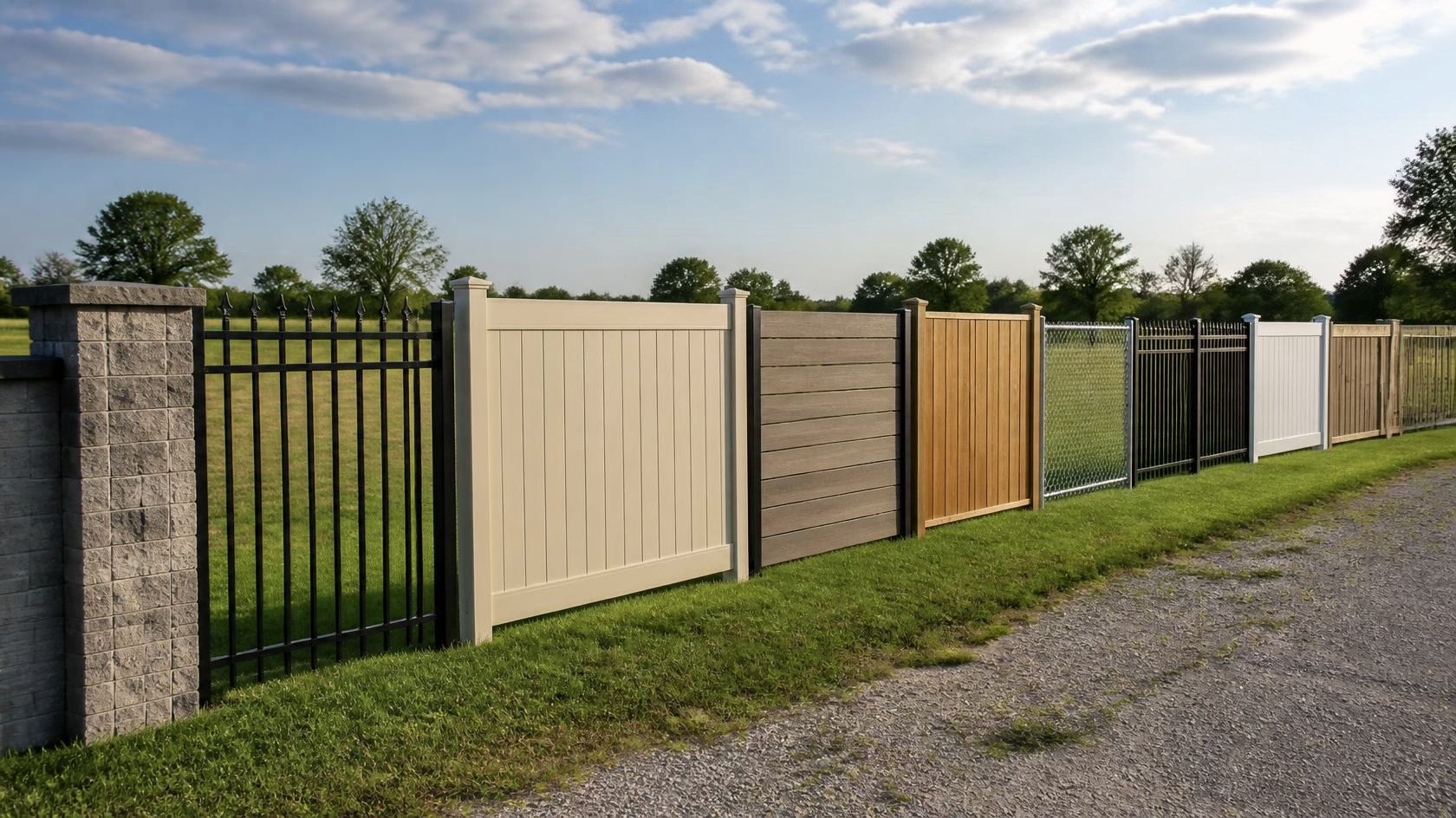
A commercial fence quote in Byron should clearly explain the fence layout, materials, height, posts, gates, removal work, site preparation, labor, cleanup, and major exclusions. Property managers should also look for details about pavement, drainage, access, and existing fence removal so they can compare quotes based on the same project scope.
A Good Quote Should Make the Project Easy to Understand
Searching for a commercial fence quote near Byron is only the first step.
The important question is what the quote actually includes.
A single total price does not tell a property manager enough about the proposed project. Two contractors may provide very different totals because one includes demolition, wider gates, or additional site preparation that another leaves out.
A useful quote should make it clear what is being installed, removed, repaired, and excluded.
That detail makes it much easier to compare proposals fairly.
Fence Layout and Total Footage
The quote should identify how much fencing is included and where it will be installed.
Look for information about:
Total linear footage
Fence sections
Corners
Terminal points
Gate openings
Areas excluded from the project
The layout matters because commercial properties may include parking lots, loading areas, outdoor storage, dumpster enclosures, and service entrances.
If two contractors measured different sections of the property, their totals are not directly comparable.
Review the proposed layout before comparing price.
Material and Fence Height
The quote should identify the fence material rather than simply saying "commercial fencing."
For chain link projects, details may include:
Fence height
Fabric specifications
Coating or finish
Rails
Posts
Fittings
Ornamental or other fence systems should also include enough information to understand what type of product is proposed.
Height is especially important because taller fencing usually changes both material and structural requirements.
Make sure every quote is based on similar specifications before comparing costs.
Post Requirements and Structural Components
Posts are the foundation of the fence and should not be treated as a minor detail.
A commercial fence quote should account for the posts required at:
Fence lines
Corners
Ends
Gates
High-tension sections
Gate and terminal posts may require more substantial support than ordinary line posts.
If the project replaces an existing fence, ask how old post locations and concrete footings will be handled.
A quote that describes the visible fence but says little about the supporting structure may leave an important part of the project unclear.
Commercial Gates Should Be Listed Clearly
Gates can make up a significant part of the project scope.
The quote should identify:
Number of gates
Gate widths
Pedestrian or vehicle use
Swing or sliding configuration
Gate hardware
Latches
Hinges or rollers
Support posts
Gate width matters on properties that receive trucks, trailers, service vehicles, or equipment.
A lower-cost gate may not be a good fit if it creates a narrow entrance that leads to repeated vehicle impacts.
The quote should reflect how the property actually uses each entrance.
Existing Fence Removal
For replacement projects, demolition should be clearly addressed.
Removal may include:
Chain link fabric
Panels
Rails
Gates
Posts
Concrete footings
Hardware
Ask whether hauling and disposal are included.
Old fence removal can require considerable work, particularly when posts are set in large concrete footings or installed through pavement.
If one quote includes demolition and another does not, their totals may appear very different even though the new fence specifications are similar.
Site Preparation
A quote should explain what site preparation is included before installation begins.
Commercial sites may have:
Vegetation
Stored materials
Debris
Gravel
Uneven ground
Existing pavement
In some cases, the property manager may need to clear the fence line before crews arrive.
In others, limited preparation may be included.
Knowing who is responsible helps prevent delays and unexpected costs once the project starts.
Pavement and Concrete Work
Commercial fencing frequently runs through parking lots, driveways, loading areas, or sidewalks.
Installing posts through hard surfaces may require additional work.
Ask whether the quote includes:
Asphalt cutting
Concrete cutting
Excavation
Post installation through pavement
Surface restoration
Do not assume that restoring pavement after post installation is automatically included.
This should be defined in the project scope.
Drainage and Ground Conditions
The quote should account for site conditions that may affect installation, especially if the property has known drainage problems.
Watch for:
Standing water
Erosion
Mud
Low areas
Saturated soil
Previously leaning posts
Byron properties can experience freeze-thaw conditions that make wet or unstable ground important to identify before new posts are installed.
Major drainage correction may be outside the fence contractor's scope, but the quote should clearly state that if it affects the project.
Ignoring the condition does not make it disappear.
Labor and Installation
A commercial fence quote should make it clear that installation labor is included.
Depending on the project, labor may cover:
Layout
Post installation
Rail installation
Fabric or panel installation
Gate installation
Hardware
Final adjustments
Property managers should also understand whether the job will be completed in one phase or divided into sections.
Phasing may matter when the business needs to keep certain entrances or perimeter areas operational.
Business Access During the Project
Commercial properties often remain active while fence work is underway.
The quote or project discussion should address access around:
Delivery gates
Employee entrances
Customer parking
Loading zones
Equipment areas
Dumpster service
If the property has only one primary vehicle gate, ask how access will be handled when that entrance is being removed or installed.
A slightly more involved project plan may be worthwhile if it reduces disruption to normal operations.
Cleanup and Disposal
The finished quote should explain what happens after installation.
Confirm whether it includes:
Construction debris removal
Disposal of old fence material
Cleanup around the fence line
Final hardware adjustments
If demolition is included but disposal is not, the property manager may be left responsible for removed material.
Clear cleanup terms help define what "project complete" actually means.
Pay Attention to Exclusions
One of the most useful parts of a quote is the section explaining what is not included.
Possible exclusions may include:
Major drainage correction
Utility relocation
Electrical work
Gate automation
Access-control systems
Landscaping restoration
Extensive pavement repair
An exclusion is not necessarily a problem.
The important thing is that it is clearly stated so businesses know which additional work may need to be arranged separately.
Compare the Scope Before Comparing the Total
When several quotes are available, put the project details side by side.
Compare:
Footage
Material
Height
Posts
Gates
Demolition
Site preparation
Pavement work
Cleanup
Exclusions
A lower quote may represent a smaller or less complete scope.
A higher quote may include work that would otherwise appear later as a separate cost.
Property managers should first make sure they are comparing the same finished project.
Get a Clear Commercial Fence Quote in Byron
A useful commercial fence quote should provide enough detail for a property manager to understand exactly what will happen on the site.
Materials, footage, structural components, gates, demolition, access, site preparation, cleanup, and exclusions should all be clear before work begins.
Rockford Fence provides commercial fence installation, repair, replacement, chain link fencing, security fencing, gates, dumpster enclosures, and other commercial fence solutions.
Contact Rockford Fence for a commercial fence quote in Byron, IL. A site evaluation can help define the perimeter, gates, existing conditions, and installation scope before the project is priced.
