Commercial Fence Repair in Davis Junction, IL: Issues That Affect Security
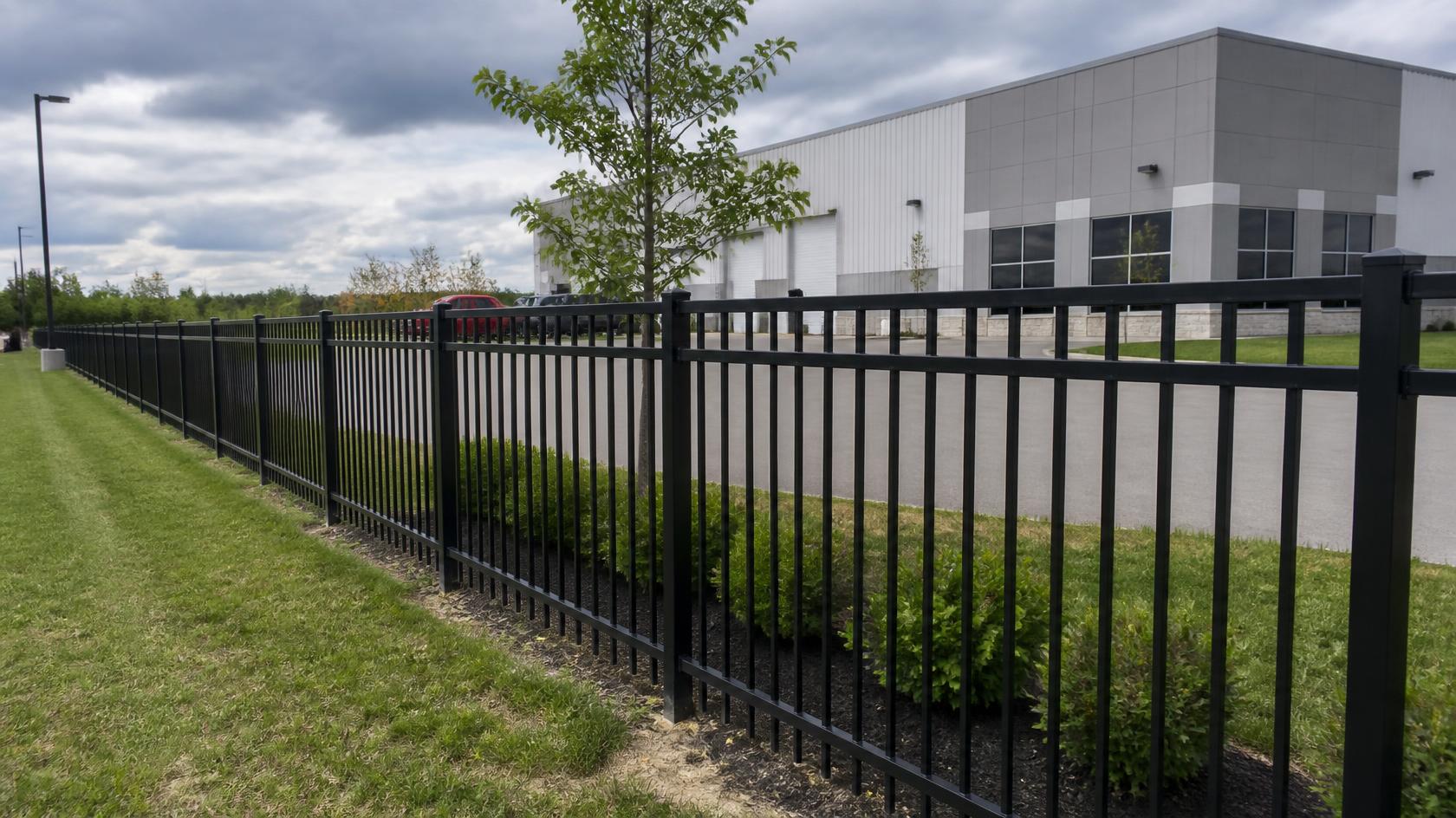
Commercial fence problems can quickly affect property security when gates stop closing, posts become unstable, chain link fabric loosens, or gaps develop along the perimeter. Davis Junction business owners and property managers should inspect gates, posts, rails, hardware, drainage, and high-traffic areas regularly so weak points can be repaired before they spread.
Why Commercial Fence Damage Can Become a Security Problem
A commercial fence often protects more than a property boundary.
It may help secure:
Equipment yards
Outdoor storage
Parking areas
Loading zones
Service areas
Dumpster enclosures
Restricted spaces
Even one damaged section can reduce perimeter control.
A gate that no longer locks, loose chain link near a terminal post, or a large ground-level gap may create a more serious issue than cosmetic wear elsewhere on the fence.
Issue 1: Gates That Do Not Close Properly
Commercial gates often experience more wear than standard fence sections.
Watch for:
Sagging
Dragging
Misaligned latches
Loose hinges
Bent frames
Leaning gate posts
Damaged locking hardware
A gate should close fully and latch or lock without being forced.
If alignment problems keep returning, inspect the supporting posts and frame instead of only adjusting the latch.
Issue 2: Unstable Gate Posts
Gate posts support more movement and weight than typical line posts.
Problems may develop because of:
Freeze-thaw cycles
Saturated soil
Erosion
Vehicle impacts
Corrosion
Weak footings
A slightly shifted but structurally sound post may sometimes be reset.
Badly bent, deeply corroded, or unstable posts usually need replacement.
Because the gate depends on these posts for alignment, they should receive priority during commercial fence inspections.
Issue 3: Loose Chain Link Fabric
Chain link fencing is common around commercial properties because it provides visibility while defining the perimeter.
Security can be affected when the fabric develops:
Sagging
Loose tension
Broken tie wires
Torn sections
Gaps near terminal posts
Strong fabric can often be retensioned after damaged posts or rails are corrected.
If the mesh has become brittle, heavily corroded, or badly distorted, sectional replacement may be more practical.
Issue 4: Bent Rails and Broken Fittings
Top rails and fittings help keep chain link fencing stable.
Inspect:
Top rails
Rail sleeves
Tension bands
Brace bands
Tension bars
Tie wires
Bolts
A bent rail or failed fitting can allow nearby fabric to loosen.
These smaller components are often easier to replace early than after a larger section has shifted.
Issue 5: Ground-Level Gaps
Openings beneath commercial fencing can weaken perimeter control.
Common causes include:
Erosion
Poor grading
Animal activity
Loose chain link fabric
Seasonal soil movement
Repairs may involve restoring the soil grade, retensioning fabric, adding suitable bottom support, or correcting drainage.
If the same gap keeps returning, the underlying ground condition should be investigated.
Issue 6: Rust and Corrosion
Metal components can gradually lose strength when corrosion spreads.
Pay close attention to:
Post bases
Hinges
Latches
Tie wires
Bolts
Tension hardware
Welded connections
Minor surface rust may be manageable while the metal remains structurally sound.
More serious warning signs include:
Flaking metal
Thinning posts
Brittle mesh
Hardware that breaks during adjustment
Widespread corrosion may justify sectional or full replacement.
Issue 7: Vehicle and Equipment Damage
Commercial fencing often runs near active traffic areas.
Possible impact sources include:
Delivery trucks
Trailers
Forklifts
Landscaping equipment
Snowplows
Waste-removal vehicles
Even a low-speed impact can bend a post, shift a gate, or loosen fabric.
After any impact, inspect neighboring sections as well because damage may extend beyond the obvious point of contact.
Issue 8: Sliding Gate Problems
Some commercial properties use sliding gates for wider vehicle entrances.
Watch for:
Grinding
Shaking
Worn rollers
Damaged guides
Uneven travel
Gates stopping before fully closing
Keep gravel, mud, leaves, snow, and ice away from the travel path.
A sliding gate that cannot close fully can affect access control and should be repaired promptly.
Issue 9: Drainage Around Fence Posts
Water can contribute to repeated structural movement.
Check for:
Standing water
Mud
Erosion
Exposed footings
Low areas
Runoff near posts
Davis Junction properties experience northern Illinois freeze-thaw cycles that can worsen movement in saturated soil.
If drainage contributed to a leaning post, correcting the water issue should be part of the repair plan.
Issue 10: Weather-Related Damage
Strong winds, heavy rain, snow, and falling branches can all affect commercial fencing.
After severe weather, inspect for:
Shifted posts
Bent rails
Loose fabric
Damaged gates
Broken hardware
Fallen debris
Snow piled repeatedly against fencing can stretch chain link fabric and place pressure on posts and rails.
A quick inspection after major weather events can help catch problems before they worsen.
Focus on High-Risk Areas First
Some parts of a commercial perimeter deserve closer attention than others.
Prioritize:
Vehicle entrances
Pedestrian gates
Equipment storage
Outdoor inventory
Parking areas
Dumpster enclosures
Loading zones
Damage in these areas may affect security and daily operations more directly than damage in low-traffic sections.
Reduce Repeated Damage
If the same area keeps requiring repair, the layout may be part of the problem.
Possible improvements include:
Wider gates
Bollards
Wheel stops
Better traffic markings
Improved vehicle routes
Repairing the fence without correcting a recurring impact problem may lead to the same damage again.
When Repair Makes Sense
Repair may be practical when:
Damage affects one or two sections
Most posts remain stable
Chain link fabric remains strong
One gate or rail needs work
Corrosion is limited
Hardware can be replaced individually
When Replacement May Be Better
Replacement may make more sense when:
Several posts are unstable
Corrosion is widespread
Fabric has become brittle
Multiple rails are failing
Gates repeatedly need repair
Large sections no longer provide dependable security
Sectional replacement may also work when one area is badly damaged but the rest of the perimeter remains structurally sound.
Protect Your Davis Junction Property
Commercial fence repair should focus on restoring a dependable perimeter, especially around gates, storage areas, parking lots, and vehicle entrances.
Rockford Fence provides commercial fence repair, installation, replacement, chain link fencing, security fencing, gates, dumpster enclosures, and other commercial fence solutions.
Contact Rockford Fence for a commercial fence inspection in Davis Junction, IL. The team can identify security weak points and recommend practical repair, sectional replacement, or full replacement options based on the condition of the property.
