
Commercial Fence Replacement in Rockton, IL: Security, Access and Budget
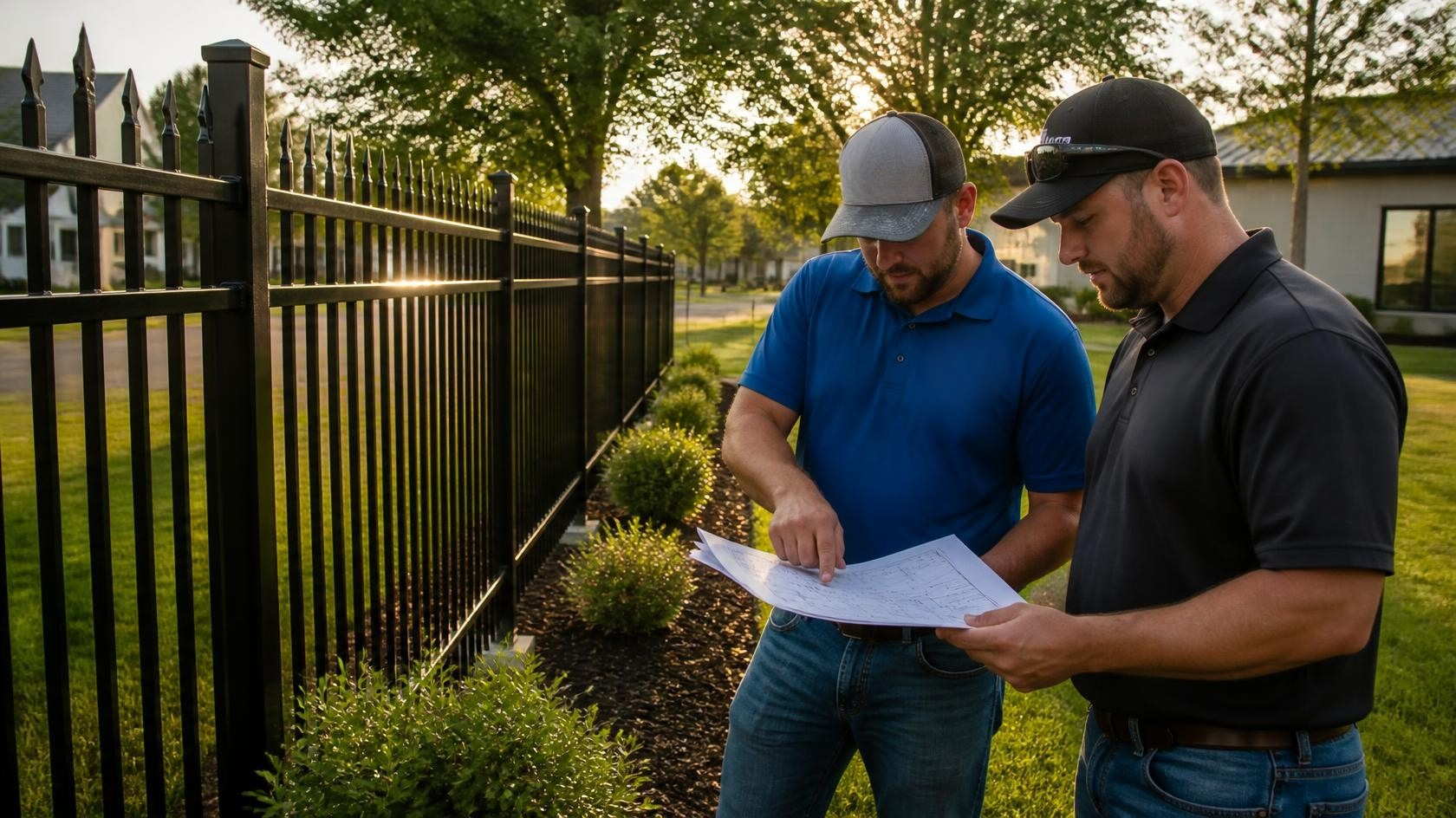
Commercial fence replacement in Rockton should balance three priorities: security, reliable access, and a realistic project budget. Property managers should review the condition of the existing fence, gate layout, traffic flow, drainage, demolition needs, materials, and high-risk areas before deciding how much of the perimeter to replace.
Replacement Should Solve More Than Visible Damage
An older commercial fence may have several different problems at once.
Common warning signs include:
Multiple leaning posts
Repeated gate failures
Widespread corrosion
Loose or brittle chain link fabric
Bent rails
Large ground-level gaps
Frequent vehicle impacts
Replacing damaged material without understanding why the problems developed can lead to similar issues later.
For example, new posts installed in an area with recurring drainage problems may eventually shift again. A replacement gate built at the same narrow width may continue being struck by trucks.
The planning stage should identify both the damaged components and the conditions that contributed to their failure.
Decide How Much of the Perimeter Really Needs Replacement
Full replacement is not always necessary.
Walk the property and divide the fence into sections based on condition.
One side of a commercial lot may still have stable posts and usable chain link while another has widespread corrosion or impact damage.
Sectional replacement may make sense when:
Damage is concentrated in one area
Most posts remain stable
Only one gate area is failing
One section has severe corrosion
Vehicle damage is limited to a specific location
Full replacement may be more practical when deterioration affects posts, rails, gates, and fabric throughout the property.
The goal is to replace enough of the system to restore dependable performance without removing sound fencing unnecessarily.
Identify the Security Priorities First
Different parts of a commercial property may need different levels of perimeter control.
Higher-priority areas may include:
Outdoor storage
Equipment yards
Delivery areas
Rear property lines
Restricted work zones
Service entrances
A replacement project is a good opportunity to reconsider whether the existing layout still matches current security needs.
Some areas may need stronger materials, taller fencing, or improved gate hardware, while others may only require a basic perimeter.
Focusing security upgrades where they provide the most value can help keep the overall project budget under control.
Reconsider Gate Locations and Widths
Gates often have the biggest impact on how a commercial fence works day to day.
Before reinstalling gates in their existing locations, review how vehicles actually use the property.
Consider:
Delivery trucks
Trailers
Employee vehicles
Equipment
Service vehicles
Waste-removal trucks
Snowplows
If drivers regularly make tight turns or pass close to the posts, the entrance may need more width or a better location.
Repeated gate damage is often a sign that access and traffic flow should be redesigned rather than simply rebuilt.
Separate Vehicle and Pedestrian Access Where Practical
A replacement fence may also be an opportunity to improve pedestrian access.
If employees or visitors regularly walk through a large vehicle gate, consider whether a separate pedestrian entrance would make the property easier to manage.
A dedicated pedestrian gate can:
Reduce conflicts with vehicles
Provide a more direct walkway
Improve access control
Keep larger gates closed when not needed
The location should work with parking areas, sidewalks, and winter snow removal.
Access planning should reflect how people actually move through the property, not just where the old openings happened to be.
Choose Materials Based on Function
Commercial fence replacement does not always require one material around the entire property.
Chain link may work well around:
Storage yards
Equipment areas
Parking lots
Service zones
Ornamental fencing may be more appropriate around entrances or customer-facing areas.
Material choices affect:
Security
Visibility
Appearance
Maintenance
Wind exposure
Project cost
Using more specialized fencing only where it is needed can provide a better balance between appearance, function, and budget.
Include Demolition in the Budget
Replacement projects involve more than installing new material.
The old fence may need to be removed first.
Demolition can include:
Chain link fabric
Panels
Rails
Posts
Gates
Concrete footings
Old hardware
Posts installed through pavement or set in large concrete footings can require additional work.
The estimate should clearly state what removal is included and whether old materials will be hauled away.
Without that detail, two quotes may appear similar even though they include different amounts of demolition.
Review the Ground Before Installing New Posts
Post stability has a major effect on fence performance.
Before new posts are installed, inspect the proposed fence line for:
Standing water
Erosion
Soft soil
Low areas
Exposed old footings
Repeated post movement
Rockton properties can experience freeze-thaw conditions that make wet or unstable soil more problematic.
If several old posts failed in the same area, investigate why.
New fencing should not simply be installed into the same condition without considering drainage or footing stability.
Plan for Vehicle Impact Areas
Some fence sections experience far more physical stress than others.
These often include:
Loading zones
Parking lot corners
Dumpster enclosures
Gate entrances
Equipment routes
If the old fence shows repeated dents, scraped coatings, or bent posts, consider whether the replacement should include additional protection.
Depending on the property, options may include:
Wider openings
Bollards
Wheel stops
More turning room
Better traffic markings
These changes can add to the initial scope but may reduce repeated repairs later.
Consider Winter Operations
A replacement project in northern Illinois should account for how the property functions during winter.
Identify:
Snowplow routes
Snow-storage areas
Swing gate paths
Sliding gate travel areas
Narrow vehicle entrances
Heavy snow should not be routinely pushed against the new perimeter.
Snowbanks can also reduce usable gate width and force vehicles closer to posts.
Planning winter access while the layout is being redesigned can help avoid problems once the new fence is in service.
Compare Budget by Scope, Not Just the Total
Commercial fence estimates can vary because contractors may be pricing different project scopes.
When comparing proposals, review:
Total footage
Fence height
Material
Post requirements
Gate sizes
Demolition
Disposal
Site preparation
Cleanup
Major exclusions
A lower quote may exclude removal work, pavement restoration, drainage-related work, or larger gates.
Property managers should make sure the proposals describe the same project before comparing the final numbers.
Decide What Should Be Upgraded and What Can Stay Simple
Replacement does not automatically mean every part of the fence needs to become more complex.
The project budget can often be managed by concentrating improvements in the areas where they matter most.
For example:
Wider gates where trucks enter
Stronger protection around high-impact posts
More security-focused fencing around storage
Simpler perimeter fencing in lower-risk areas
This approach avoids overbuilding the entire property while still correcting the weak points that caused problems with the old fence.
Plan Business Access During Replacement
Fence replacement can temporarily affect normal operations.
Before work starts, decide:
Which gates must remain open
Where deliveries should enter
Whether employee parking will change
How equipment will move
Whether replacement should be completed in phases
A property with one primary vehicle entrance may need more careful coordination than a site with several access points.
Planning this early helps reduce disruption and keeps the project organized.
Build a Better Commercial Perimeter in Rockton
Commercial fence replacement should improve more than appearance.
A successful project should restore perimeter security, make daily access practical, reduce repeated problem areas, and fit the property's budget.
Rockford Fence provides commercial fence replacement, installation, repair, chain link fencing, security fencing, gates, dumpster enclosures, and other commercial fence solutions.
Contact Rockford Fence to discuss commercial fence replacement in Rockton, IL. A site evaluation can help determine what should be replaced, where access can be improved, and how the project scope can be matched to the property's security and budget needs.
