Common Fence Installation Mistakes Homeowners Make in Illinois
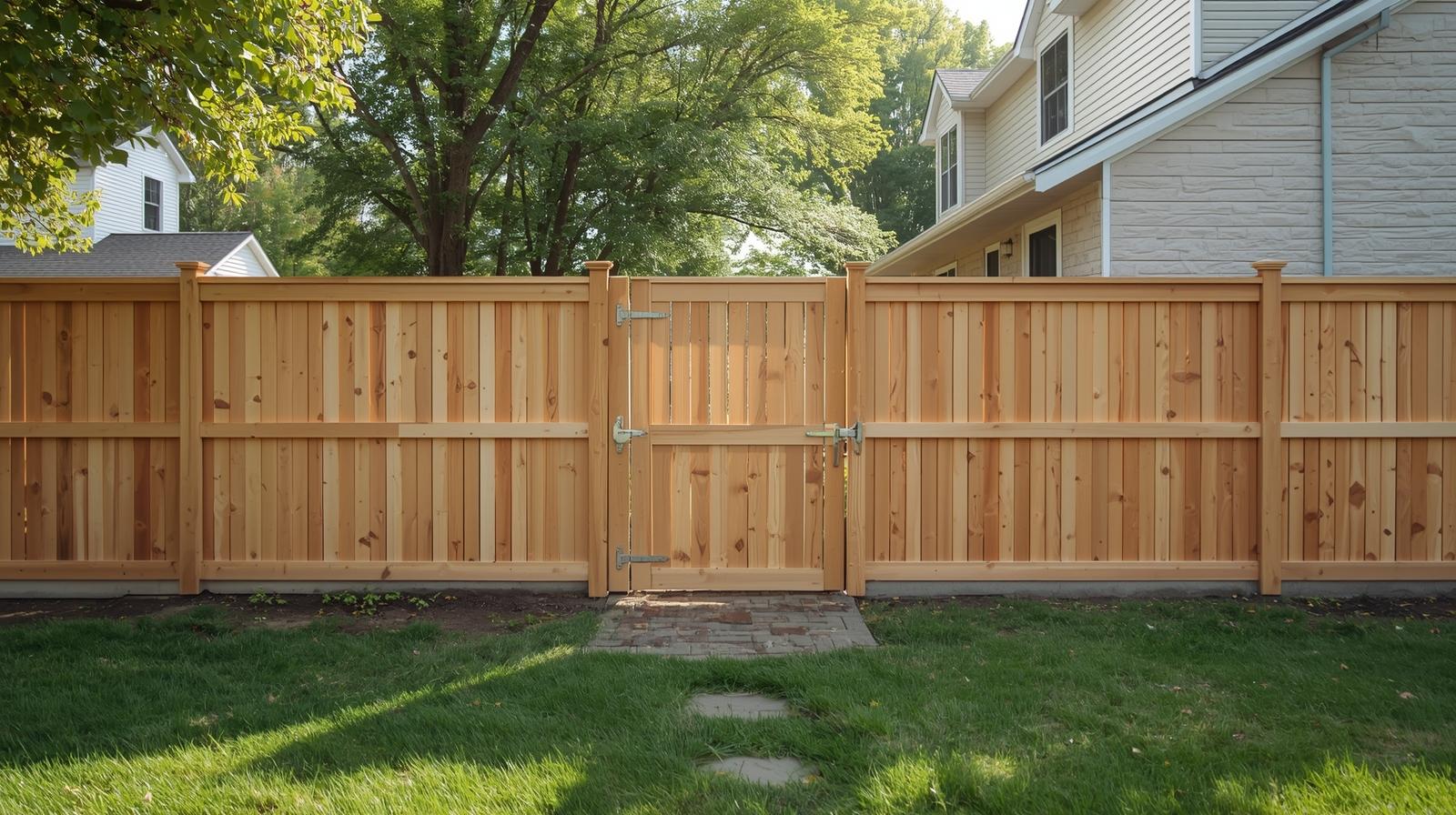
Installing a fence may seem straightforward—but in Illinois, especially in Northern areas like Rockford and across the IL/WI border region, there are specific climate, soil, and code factors that can turn a simple project into a costly repair.
Every year, homeowners call after experiencing leaning posts, sagging gates, neighbor disputes, or permit problems that could have been avoided. Whether you live in Rockford, Loves Park, Machesney Park, or anywhere in Illinois, understanding these common fence installation mistakes can save you thousands in repairs and liability risks.
Below are the most common fence installation errors we see—and how to avoid them.
1. Not Accounting for Illinois Frost Depth
One of the biggest mistakes homeowners make is setting fence posts too shallow.
In Northern Illinois, frost depth can reach approximately 42 inches. When posts aren’t installed deep enough, freeze–thaw cycles cause:
Leaning fences
Heaving posts in spring
Gates that no longer latch
Structural instability over time
This is especially common with DIY installations or contractors unfamiliar with local soil conditions.
The Fix: Posts should be set deep enough to account for frost movement and soil expansion. Proper depth and compaction matter more than most homeowners realize.
2. Skipping Permits and Zoning Checks
Many Illinois municipalities—including Rockford—require fence permits. Height restrictions, setback requirements, and corner-lot visibility rules vary by city.
Common mistakes include:
Installing fences too tall in front yards
Placing fencing on utility easements
Violating corner sightline requirements
Ignoring HOA material or style restrictions
The result? Required removal, fines, or forced modifications.
The Fix: Always verify city zoning regulations and HOA rules before installation. Permit approval protects your investment.
3. Installing Directly on the Property Line Without a Survey
Fence-related neighbor disputes are extremely common across Illinois.
Without confirming property lines, homeowners may:
Encroach onto a neighbor’s property
Block shared drainage paths
Install fencing over easements
Correcting a boundary mistake often means tearing down and reinstalling the fence—an expensive and avoidable problem.
The Fix: Confirm your property lines with a recent survey or official plat before installation.
4. Choosing the Wrong Material for Illinois Weather
Illinois weather is harsh on fencing. Between heavy snow, wind exposure, humid summers, and wet springs, material choice matters.
Common material mistakes include:
Installing untreated wood in high-moisture areas
Choosing lightweight vinyl in high-wind exposure zones
Using low-grade chain link in commercial settings
Ignoring corrosion risks near salted roadways
For example, in open areas around Rockford or agricultural-adjacent properties, wind pressure can significantly reduce the lifespan of solid privacy fencing if not reinforced properly.
The Fix: Choose materials designed for Illinois climate and install them to withstand wind and frost conditions.
5. Poor Drainage Planning
Fence posts rot and corrode fastest at ground level—especially in Illinois’ fine, moisture-retaining soils.
Homeowners often overlook:
Downspouts draining directly at fence lines
Low spots where water pools
Landscaping that traps moisture against wood
This leads to premature post failure, even with treated lumber.
The Fix: Ensure proper grading and avoid constant soil saturation at post bases.
6. Improper Gate Installation
Gates are the first component to fail in most fence systems.
Common mistakes:
Undersized hinges
No diagonal bracing on wood gates
Inadequate post reinforcement
Failure to account for frost movement
Illinois wind exposure and soil shifting put extra stress on gates, especially double-drive gates in residential and commercial settings.
The Fix: Gates require reinforced posts and heavy-duty hardware to maintain long-term alignment.
7. Ignoring Snow and Plow Impact
In Northern Illinois, snow is more than an inconvenience—it affects structural performance.
Commercial properties and corner lots often experience:
Snow piles pressing against fencing
Plow blade impact damage
Lower rails bending under weight
Privacy fencing installed too close to driveways or parking lots is especially vulnerable.
The Fix: Plan fence placement with snow storage and plow patterns in mind.
8. Failing to Consider Liability and Safety
Fence installation isn’t just cosmetic—it carries legal and safety responsibilities.
For homeowners:
Pool fencing must meet safety code requirements
Loose gates can allow pets or children to leave the yard
Leaning fencing can cause injury or neighbor disputes
For property managers:
Damaged security fencing increases theft risk
Broken access gates compromise site control
Unstable fencing near public sidewalks increases liability exposure
Improper installation can create insurance and compliance issues.
9. Hiring Based on Price Alone
The lowest bid often cuts corners in:
Post depth
Concrete volume
Hardware quality
Wind reinforcement
Permit handling
In Illinois climate conditions, shortcuts usually show up within 2–3 winters.
Long-term durability depends more on installation quality than material alone.
Real-World Illinois Scenarios We Commonly See
A Rockford homeowner installs a DIY privacy fence that leans after the first winter due to shallow posts.
A subdivision resident installs vinyl without HOA approval and must replace it with an approved style.
A commercial site installs chain link too close to snow storage zones, causing annual distortion.
A corner-lot fence blocks driver sightlines, requiring costly reconfiguration.
Each of these issues could have been avoided with proper planning.
Protect Your Investment the First Time
Fence installation in Illinois isn’t just about digging holes and setting posts. It requires understanding:
Local frost depth
Wind exposure
Soil conditions
Zoning and permit requirements
Safety and liability considerations
When done properly, a fence can last decades. When installed incorrectly, repairs often begin within a few seasons.
Rockford Fence proudly serves homeowners, business owners, and facility managers across Rockford, Loves Park, Machesney Park, Roscoe, and Southern Wisconsin. Our team understands Northern Illinois conditions and builds fencing systems designed specifically for this region.
If you’re planning a fence project and want it done right the first time, contact Rockford Fence today for a free estimate and site consultation.
