
Construction Site Temporary Fencing in IL
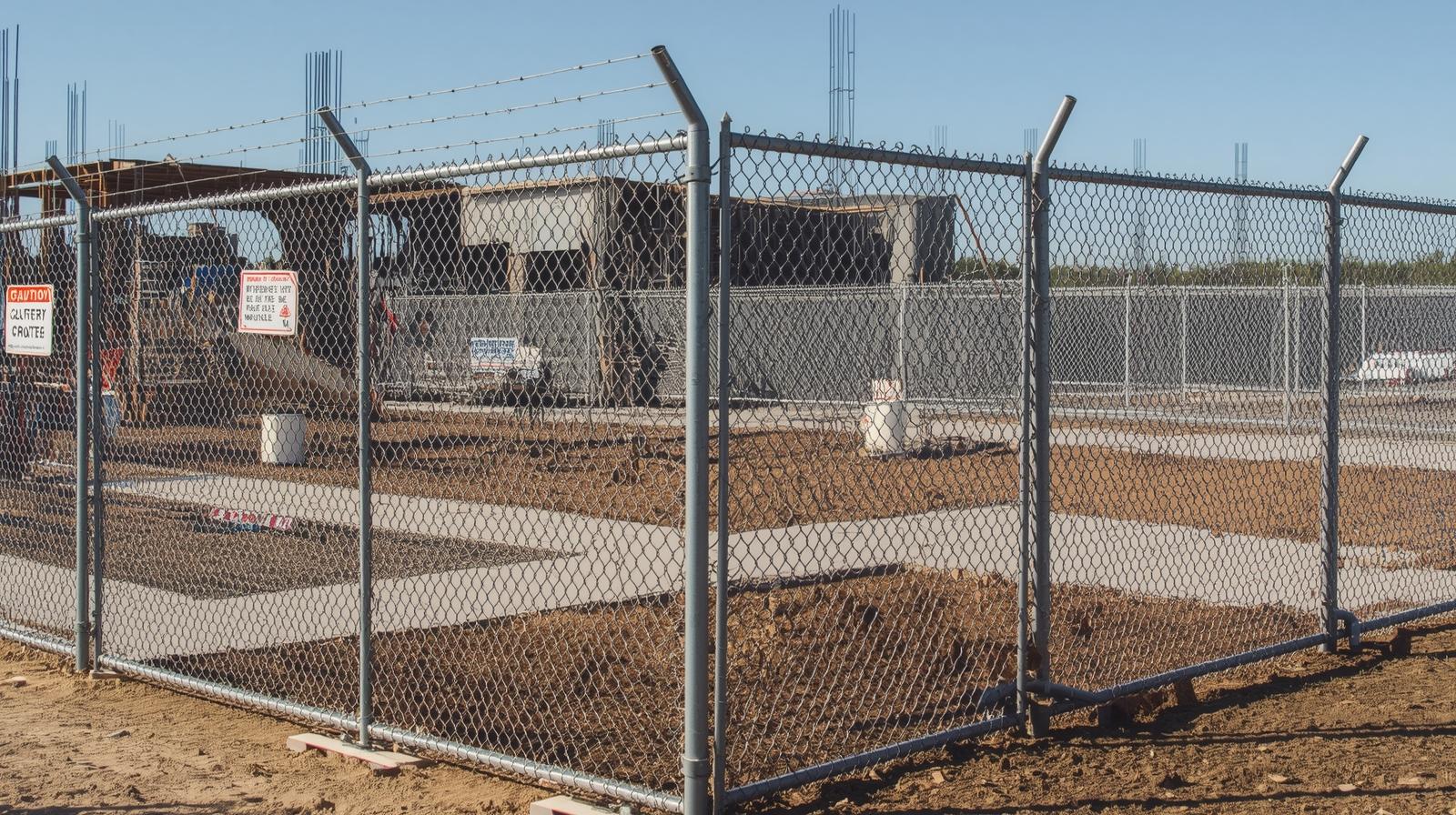
Is the temporary fence around that new development strong enough to handle a Midwest thunderstorm? It’s a question many of us don't think to ask until it’s too late. A leaning fence is more than just an eyesore—it’s a danger waiting to happen, posing a real risk to pedestrians, pets, and property when not installed correctly.
At its core, all construction site temporary fencing in IL serves two simple but critical jobs. The first is public safety, creating a clear barrier to keep people away from hazardous areas like open trenches and heavy machinery. The second is securing a construction site in IL, which helps prevent theft and vandalism after crews have gone home for the day.
When these job site public safety barriers fail, the consequences can be serious. Knowing what a secure fence looks like is the first step toward ensuring your neighborhood remains safe and helps you identify when things are right—and what to do when they aren’t.
Panel vs. Post: What’s the Difference in the Fences You See?
Walk past any construction site, and you’ll likely see one of two types of temporary fencing. The first, known as post-driven fencing, has its vertical posts hammered directly into the ground, creating an incredibly sturdy barrier. More common, however, are the large, pre-built sections called panel fences. These individual chain-link panels stand on top of the ground using removable metal bases, often called “feet.” Their popularity comes from speed—they can be set up and moved quickly without ever digging a hole, making them ideal for job sites on pavement or concrete.
That difference in installation is the key to their stability. While a post-driven fence is firmly anchored, a panel fence just rests on the surface, making it much more vulnerable to tipping over. Because of this, panel fences require extra support—like heavy sandbags on their feet or angled brace posts—to be considered safe.
What Keeps a Temporary Fence From Falling in an Illinois Storm?
The simplest defense against a tipping panel fence is weight. You will almost always see heavy sandbags placed directly over the fence’s metal feet. This technique, known as sandbagging, anchors the base to the ground and is often the first line of defense to stop a strong gust of wind from knocking the entire panel over.
For even more stability, especially in open and windy areas, installers use bracing. These are extra poles that connect the main fence panel to the ground at an angle, forming a strong, supportive triangle. Much like a kickstand on a bicycle, this angled support strut provides a solid anchor against pushing forces, making the fence significantly more resistant to toppling.
A truly secure fence often combines these methods and ensures every panel is clamped tightly to its neighbor, creating a continuous barrier without weak gaps.
3 Signs of a Stable Fence:
Weighted Bases: Look for sandbags holding down the feet.
Support Braces: Spot the extra poles creating a triangle.
No Gaps: Panels are securely clamped together.
This stability becomes even more critical when fences have windscreens.
What's the Deal with Those Black Screens on Fences?
You've likely seen them—the dark fabric screens attached to construction fences. Known as a windscreen or privacy screen, this mesh serves two key purposes. It improves construction site security by hiding expensive equipment and materials from view, and it helps contain dust and debris, keeping the surrounding neighborhood cleaner. Companies that provide temporary fence with privacy screen rental offer this as a common add-on for exactly these reasons.
However, that added privacy comes with a serious hidden risk. The screen catches the wind and acts like a giant sail, dramatically increasing the force pushing against the fence. On a windy Illinois day, this can easily topple an unbraced panel. That's why one of the most critical wind resistant temporary fence options is extra bracing. A fence with a windscreen must have those angled supports to be considered safe.
If a Fence Falls, Who Is Responsible?
When it comes to site safety, the buck stops with one entity: the general contractor. This is the company managing the entire construction project, and they are ultimately responsible for everything that happens on their site—including the fence. While they often hire a fence rental company for the equipment, the general contractor is the party accountable for making sure the barrier is safe and secure for the public from the project’s first day to its last.
Think of it like renting a car; the rental agency provides the vehicle, but you are responsible for driving it safely. Likewise, a fence company supplies the panels, but the general contractor must ensure they are properly installed and braced against wind. This ongoing duty is a fundamental part of securing a construction site in IL and meeting Illinois job site compliance.
Are There Official Rules for Construction Fences in Illinois?
Yes, absolutely. These rules come from two main places: federal standards from OSHA (the Occupational Safety and Health Administration), the agency that oversees workplace safety, and local city or town ordinances. The goal of these Illinois construction fence regulations is simple: to make sure every fence is stable enough to protect the public from job site hazards. The OSHA requirements for temporary fencing are designed to prevent collapses and unauthorized entry, ensuring a safe perimeter around the work area.
On a local level, most communities require the general contractor to get a permit before installation. This permit process is the city's way of confirming the plan meets their specific safety codes. So, if you're wondering, do I need a permit for construction fencing in Illinois?—the answer for a concerned neighbor is no. Securing the permit is always the general contractor's responsibility, ensuring the fence is compliant before the first post is ever set up.
Your 3-Step Checklist for Spotting an Unsafe Construction Fence
On your next walk, you’re equipped to assess any site safety fencing with a quick check. If you see any of these issues, it's a potential hazard:
Look for Leans or Wobbles: Does the fence lean or wobble in the wind?
Check the Feet: Are the bases bare, without heavy sandbags holding them down?
Spot the Gaps: Are there large gaps between panels where a person could slip through?
If you spot a hazard, your first step is to look for the construction company’s phone number posted on a site sign. If you can’t find one, calling your local non-emergency number is the right next move.
This small act transforms you from a passive passerby into an empowered part of your community's safety. A sturdy fence reflects a responsible project, and now you have the confidence to know the difference.
