Fence Repair Checklist in Brodhead, WI: Weather, Gates and Posts
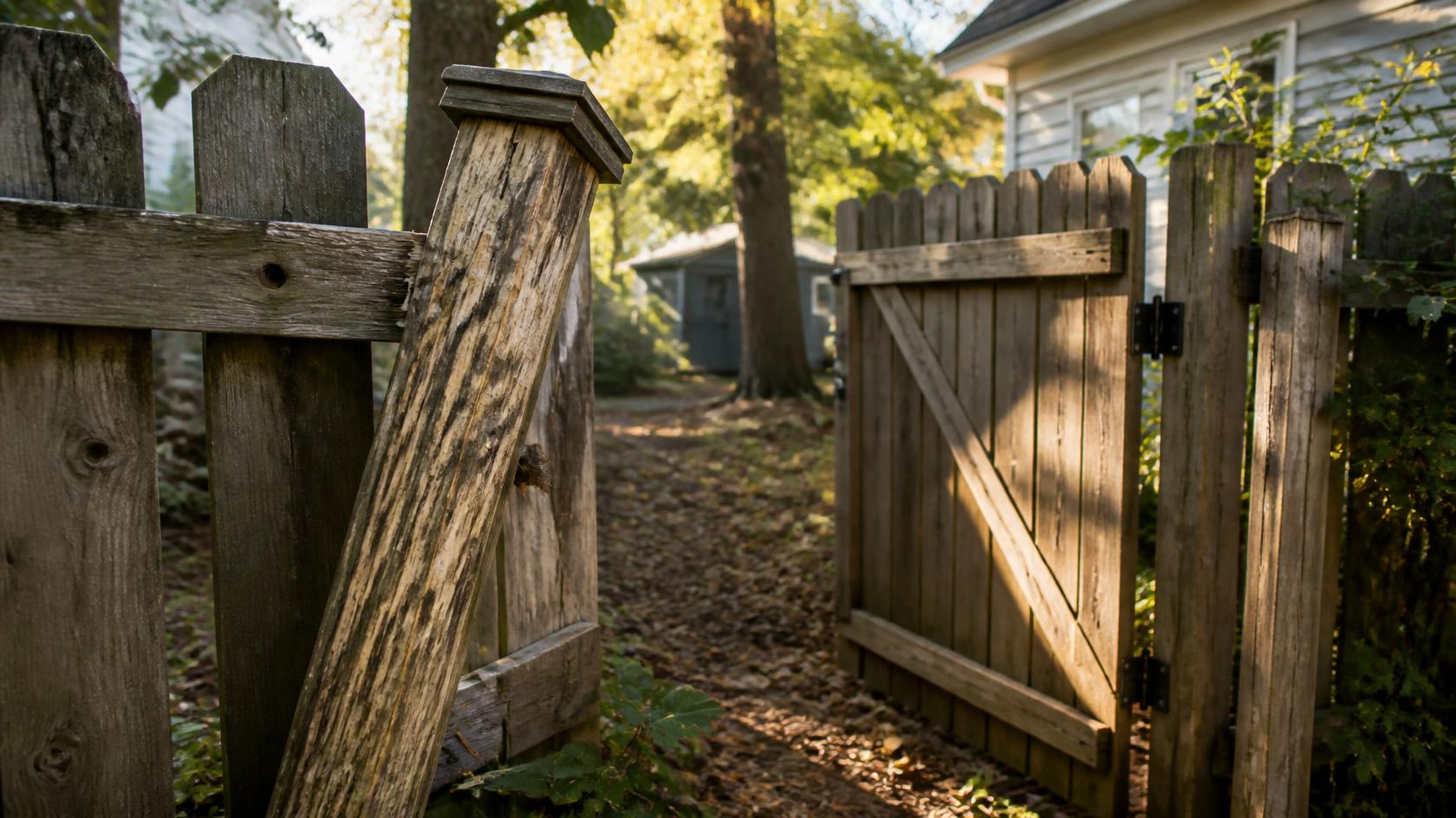
Regular fence inspections can help Brodhead property owners catch leaning posts, loose panels, gate problems, chain link damage, rust, and drainage concerns before they become larger repairs. Pay particular attention after strong winds, heavy rain, snow, and Wisconsin freeze-thaw cycles.
Start With a Walk Around the Fence
Fence damage is not always obvious from one side of the property.
Walk the entire fence line when possible and look for changes in alignment, movement, or appearance.
Your basic checklist should include:
Posts and footings
Rails and panels
Chain link fabric
Gates and latches
Hinges and other hardware
Rust or rot
Ground-level gaps
Drainage around posts
Compare damaged sections with nearby areas. A single leaning post or loose rail may indicate a localized repair, while similar problems throughout the fence could point to broader deterioration.
Check Posts for Leaning or Movement
Posts are one of the most important parts of any fence inspection.
Look for:
Visible leaning
Movement at ground level
Soil separating from posts
Exposed or cracked concrete
Rot near wood post bases
Corrosion near metal post bases
Wisconsin's freeze-thaw cycles can gradually move soil around fence footings. Heavy rain and snowmelt can also soften or erode soil.
A structurally sound post may sometimes be reset. Rotten, severely bent, deeply corroded, or unstable posts usually need replacement.
Inspect Drainage Around Fence Footings
If fence posts repeatedly shift, the problem may begin with water.
Check for:
Standing water
Mud around posts
Soil erosion
Exposed footings
Low areas that remain wet
Runoff flowing toward the fence
Repairing a leaning post without addressing recurring drainage can lead to the same problem returning.
Drainage should be evaluated as part of the repair, particularly where several posts show movement.
Look for Weather-Damaged Panels and Rails
Strong winds and storms can loosen wood panels and damage supporting rails.
Check for:
Loose boards
Missing pickets
Cracked or split rails
Pulled fasteners
Warped sections
Panels separating from posts
Solid privacy fencing can experience substantial wind pressure, especially when posts or rails are already weakened.
Individual boards or rails may often be replaced when the surrounding structure remains strong.
If several panels are loose because multiple posts or rails are deteriorating, larger sectional repairs may be needed.
Inspect Chain Link Fabric and Hardware
Chain link fencing can develop problems after snow, storms, falling branches, or ground movement.
Look for:
Sagging mesh
Broken tie wires
Loose tension bands
Bent top rails
Torn fabric
Gaps beside posts
Openings along the bottom
Strong chain link fabric can often be retensioned after damaged posts or rails are repaired.
Also check tension bars, brace bands, rail sleeves, bolts, and post caps. Replacing a few damaged fittings early can help prevent a larger section from becoming loose.
Test Every Fence Gate
Gates experience more movement than stationary fence sections and often reveal structural changes early.
Open and close each gate while checking for:
Dragging
Sagging
Loose hinges
Uneven movement
Latches that do not align
Bent frames
Leaning gate posts
Do not repeatedly force a difficult gate.
Extra pressure can damage hinges, frames, latches, rollers, and supporting posts.
If a latch suddenly stops lining up, inspect both gate posts before simply repositioning the hardware.
Check Sliding Gates and Larger Entrances
Some commercial properties and larger residential entrances use sliding gates.
Watch for:
Grinding
Shaking
Uneven movement
Worn rollers
Damaged guides
Gates stopping before fully closing
Keep gravel, mud, leaves, snow, and ice away from the operating path.
A small roller or alignment problem is usually easier to address before it damages the gate frame or terminal posts.
Look for Rust and Corrosion
Metal fencing and gate hardware should be checked for corrosion throughout the year.
Pay attention to:
Post bases
Hinges
Latches
Tie wires
Bolts
Tension hardware
Welded connections
Minor surface rust may be manageable while the underlying metal remains strong.
Deep corrosion, flaking metal, brittle chain link fabric, or thinning posts can indicate that components need replacement.
Inspect After Wind, Snow and Storms
Brodhead weather can affect different parts of a fence in different ways.
Strong Winds
Check privacy panels, gates, rails, and posts for movement or loose connections.
Heavy Snow
Snow pushed against fencing can stretch chain link fabric, bend rails, and place pressure on panels or posts.
Freeze-Thaw Cycles
Seasonal ground movement can shift posts and cause gates to lose alignment.
Heavy Rain
Saturated soil and erosion may weaken post support or create gaps beneath the fence.
A quick inspection after significant weather can catch damage before the next storm makes it worse.
Check for Gaps Along the Bottom
Ground-level openings can affect both residential containment and commercial perimeter security.
Common causes include:
Soil erosion
Animal digging
Poor grading
Loose chain link fabric
Seasonal ground movement
Possible repairs include restoring the soil grade, retensioning fabric, replacing damaged boards, or adding appropriate bottom support.
If the same gap keeps returning, investigate drainage or erosion instead of repeatedly filling the opening.
Residential Fence Repair Priorities
Brodhead homeowners should prioritize damage that affects:
Pet containment
Backyard privacy
Gates
Walkways
Play areas
Property boundaries
Loose panels, sharp wire, unstable posts, and gates that cannot latch should receive prompt attention.
Targeted repairs can often restore the fence when the surrounding structure remains sound.
Commercial Fence Repair Priorities
Commercial properties should inspect high-use areas such as:
Vehicle entrances
Parking lots
Loading areas
Equipment yards
Outdoor storage
Dumpster enclosures
Snowplow routes
Vehicle and equipment impacts may bend posts or gates even when the damage initially looks minor.
Repeated damage in one location may indicate a need for wider gates, bollards, wheel stops, or improved traffic flow.
When Repair Makes Sense
Fence repair is often practical when:
One or two posts have shifted
A few boards or panels are damaged
One rail needs replacement
Chain link fabric remains strong
Gate problems are isolated
Corrosion is limited
Addressing these problems early may help prevent damage from spreading.
When Replacement May Be Better
Replacement may make more sense when:
Several posts are unstable
Wood rot is widespread
Chain link fabric is brittle
Multiple rails or panels are failing
Corrosion affects large areas
Gates repeatedly need repair
Sectional replacement may also be an option when one area is badly damaged but the rest of the fence remains dependable.
Schedule Fence Repair in Brodhead
A good fence repair checklist focuses on the areas that support the entire system: posts, rails, panels or fabric, gates, hardware, and the ground beneath them. Regular inspections are especially useful after difficult Wisconsin weather.
Rockford Fence provides residential and commercial fence repair, installation, replacement, chain link fencing, wood fencing, ornamental fencing, security fencing, gates, dumpster enclosures, and commercial fence solutions.
Contact Rockford Fence to schedule a fence inspection in Brodhead, WI. The team can identify damaged sections and recommend practical repair or replacement options based on the condition of the fence.
