Fence Repair Checklist in Lake Carroll, IL: What to Inspect Each Season
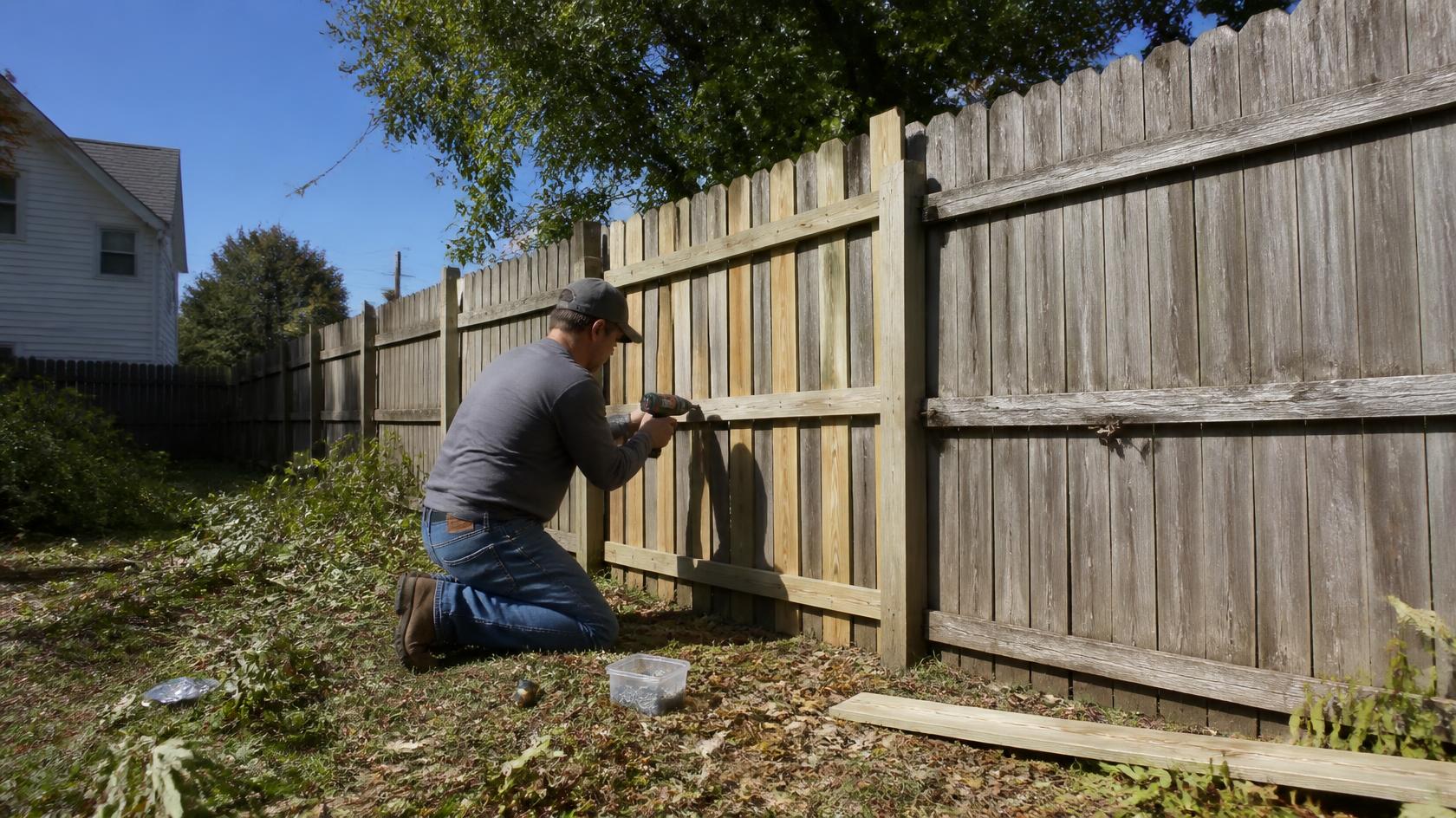
Seasonal fence inspections can help Lake Carroll property owners find leaning posts, loose panels, chain link damage, gate problems, rust, and drainage issues before they require larger repairs. Spring, summer, fall, and winter each create different conditions, so checking the fence throughout the year can help keep residential and commercial properties secure and functional.
Why Seasonal Fence Inspections Matter
Fences in northern Illinois deal with changing conditions throughout the year.
Winter freeze-thaw cycles can move posts. Spring snowmelt and rain may create drainage problems. Summer storms can loosen panels or bring down branches, while fall vegetation and debris can trap moisture around the fence.
Instead of waiting until a section fails, property owners can use seasonal inspections to catch early warning signs.
A basic fence inspection should include:
Posts and footings
Rails and panels
Chain link fabric
Gates and hardware
Rust or rot
Drainage
Vegetation
Storm damage
Properties that are used seasonally or only on weekends may benefit especially from regular checks because damage can develop while no one is there to notice it.
Spring: Check for Winter Movement
Spring is an important time to inspect the fence after snow, ice, and repeated freezing and thawing.
Start with the posts.
Look for:
New leaning
Movement at ground level
Exposed concrete
Soil pulling away from footings
Posts that appear higher than nearby sections
Freeze-thaw movement can change fence alignment even when the damage is not immediately severe.
A structurally sound post may sometimes be reset. Rotten, bent, deeply corroded, or severely unstable posts generally need replacement.
Spring: Inspect Drainage and Erosion
Snowmelt and spring rain can expose problems around fence foundations.
Walk the fence line and check for:
Standing water
Mud around posts
Washed-out soil
Exposed footings
Low spots
Water flowing beneath the fence
Recurring water problems can reduce soil stability and contribute to wood rot or metal corrosion.
If a post repeatedly leans in the same location, fixing the drainage issue may be just as important as repairing the post.
Spring: Test Every Gate
Seasonal soil movement often becomes noticeable at gates.
Open and close each gate and look for:
Dragging
Sagging
Latches that no longer align
Loose hinges
Uneven clearance
Leaning gate posts
Do not simply move a latch if the supporting post has shifted.
Correcting the structural problem first can help keep the gate aligned longer.
Summer: Check After Strong Storms
Summer storms can create sudden fence damage.
After strong winds or heavy rain, inspect for:
Loose privacy panels
Cracked rails
Newly leaning posts
Bent ornamental sections
Sagging chain link fabric
Fallen branches
Damaged gates
Solid privacy fencing receives more wind pressure than open fencing, making loose panels and weakened posts especially important to check.
Even if the fence remains standing, small changes after a storm may indicate developing damage.
Summer: Inspect Chain Link Fabric and Hardware
Chain link fencing should remain properly tensioned between posts.
Watch for:
Loose mesh
Broken tie wires
Loose tension bands
Bent top rails
Torn fabric
Gaps near posts
Strong fabric can often be retensioned after damaged posts or rails are corrected.
Small components such as tie wires, bolts, rail sleeves, and bands should also be checked.
Replacing a few damaged fittings early can prevent a larger section from becoming loose.
Summer: Control Vegetation
Warm weather can bring rapid vegetation growth along the fence line.
Vines, shrubs, weeds, and branches can:
Push against panels
Grow through chain link
Trap moisture
Hide rust or rot
Block gates
Make inspection difficult
Keep vegetation reasonably clear from the fence.
Trees near the perimeter should also be checked for weak or overhanging branches that could fall during storms.
Fall: Prepare the Fence for Winter
Fall is a good opportunity to address small repairs before snow and frozen ground make them more difficult.
Check for:
Slightly leaning posts
Loose boards
Weak rails
Sagging mesh
Damaged gate hardware
Early corrosion
A section that is already loose in fall may experience additional strain from winter snow and freeze-thaw movement.
Completing targeted repairs before colder weather can help the fence enter winter in better condition.
Fall: Clear Leaves and Debris
Leaves and organic debris can collect around fence posts and along the bottom of panels.
When moisture remains trapped in these areas, wood and metal components may deteriorate faster.
Clear debris from:
Post bases
Gate paths
Chain link bottoms
Wood panels
Dumpster enclosures
Commercial properties should also clear gate tracks and vehicle entrances before winter weather arrives.
Winter: Watch Snow Accumulation
Heavy snow should not be repeatedly piled against fencing when practical.
Snow pressure can:
Push panels
Stretch chain link fabric
Bend rails
Shift posts
Block gates
Snow-removal planning is particularly important around parking lots, driveways, gates, and commercial properties.
Fence corners and posts near plowing areas should be clearly visible to reduce accidental impacts.
Winter: Keep Gates and Access Points Clear
Gates need adequate clearance to operate.
Remove snow and ice from:
Swing paths
Sliding gate tracks
Rollers
Latches
Threshold areas
Do not force a gate that is frozen or blocked.
Excessive force can damage hinges, frames, rollers, latches, or gate posts.
Once the area is clear, a gate that remains difficult to operate may need repair.
Check Wood Fence Components Throughout the Year
Wood fencing should periodically be inspected for:
Rot
Warping
Cracked boards
Loose fasteners
Split rails
Panels separating from posts
One damaged board can often be replaced individually.
When rot has spread into rails or posts, however, a larger repair may be needed.
Keeping soil, leaves, and vegetation away from the bottom of wood fencing can also help reduce prolonged moisture exposure.
Watch for Rust on Metal Fencing
Chain link, ornamental fencing, and gate hardware should be checked for corrosion during seasonal inspections.
Pay attention to:
Post bases
Hinges
Latches
Bolts
Tie wires
Welded connections
Minor surface rust may be manageable while the metal remains strong.
Deep corrosion, flaking metal, brittle chain link fabric, or thinning posts may indicate that damaged components need replacement.
Seasonal Checks for Residential Properties
Lake Carroll homeowners should prioritize problems affecting:
Pet containment
Backyard privacy
Gates
Walkways
Outdoor living areas
Property boundaries
For properties that are not occupied every day, checking the fence when arriving after an extended absence can help identify storm or winter damage quickly.
Seasonal Checks for Commercial Properties
Commercial fences may require additional attention around:
Vehicle entrances
Parking areas
Equipment yards
Outdoor storage
Loading zones
Dumpster enclosures
High-traffic areas can experience vehicle or equipment impacts in addition to weather-related wear.
Repeated damage may indicate that wider gates, bollards, wheel stops, or improved traffic patterns should be considered.
When Fence Repair Should Be Scheduled
Repair is often practical when:
One or two posts have shifted
A few boards are damaged
One rail needs replacement
Chain link fabric remains strong
Gate problems are isolated
Corrosion is limited
Replacement may make more sense when multiple posts are unstable, rot or corrosion is widespread, several sections are failing, or gate problems repeatedly return.
Keep Your Lake Carroll Fence Ready for Every Season
A seasonal fence checklist can make it easier to catch small changes before weather and everyday use turn them into larger problems. Posts, panels, rails, chain link fabric, gates, drainage, and vegetation all deserve attention throughout the year.
Rockford Fence provides residential and commercial fence repair, installation, replacement, chain link fencing, wood fencing, ornamental fencing, security fencing, gates, dumpster enclosures, and commercial fence solutions.
Contact Rockford Fence to schedule a fence inspection in Lake Carroll, IL. The team can evaluate seasonal damage and recommend practical repairs or replacement based on the condition of the fence.
