
Fence Repair in Footville, WI: Fixing Damage Before It Gets Worse
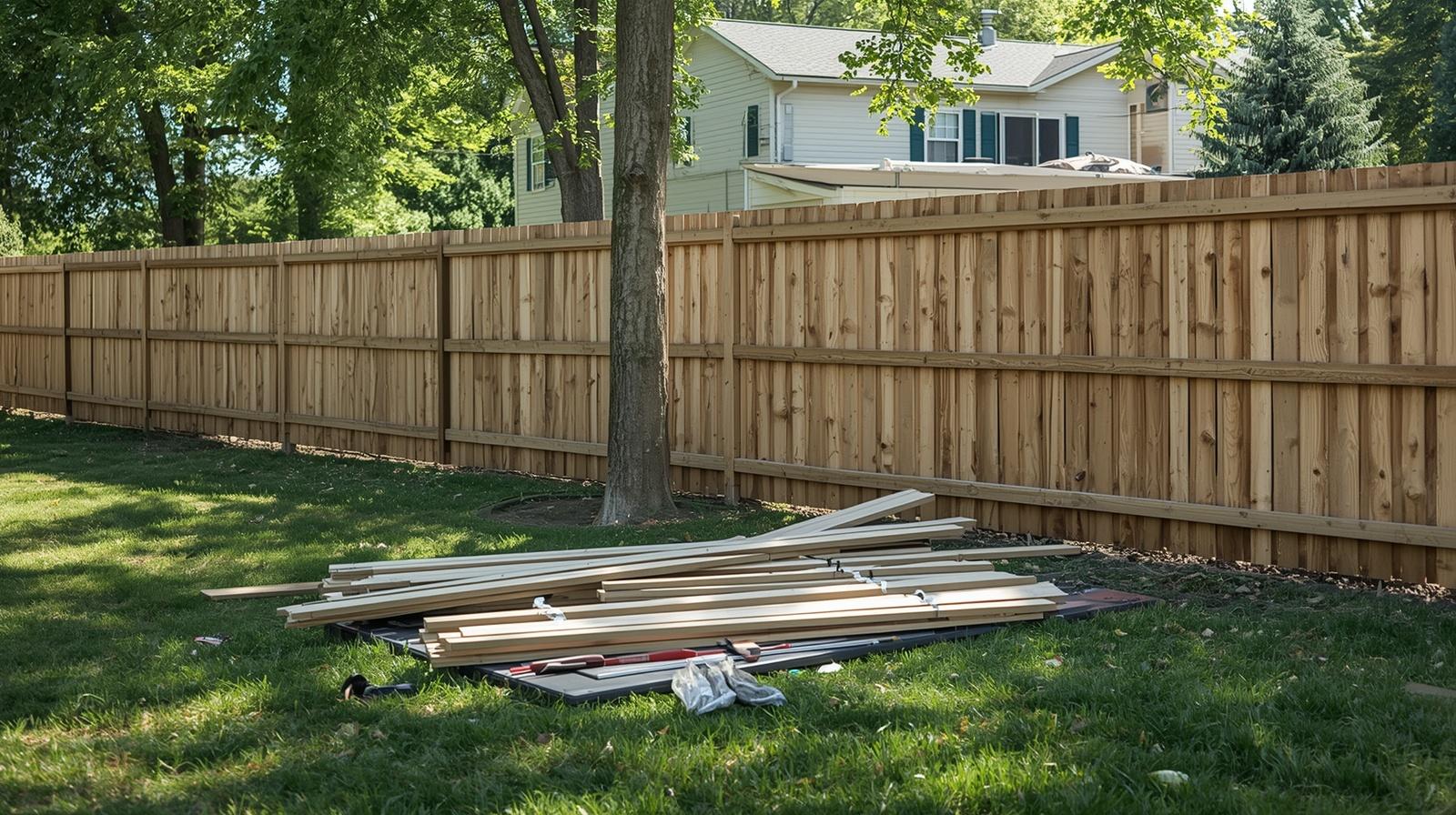
In Footville, WI, fence repair is usually worth doing early, before a small problem turns into a larger and more expensive rebuild. The most common issues are leaning posts, loose boards or rails, rust, sagging gates, storm damage, and wood rot near ground level. Acting quickly can reduce repair costs, restore security, and help avoid broader property-condition problems. In Footville, fence work is also regulated through a permit process, with the village code requiring a fence permit before erection and a $50 fee, so repair decisions should be made with local compliance in mind.
Why Fence Repair Matters in Footville
For commercial, mixed-use, agricultural-support, and service properties in Footville, a fence is not just a boundary marker. It can help with security, traffic control, screening, storage protection, and general site organization. Once a fence starts failing, the problem usually spreads faster than owners expect. A loose post can shift stress into neighboring sections, a dragging gate can damage hinges and latches, and minor rot or corrosion can quietly weaken the structure until a larger section has to be rebuilt.
Repair timing matters even more because Footville regulates fencing through a local permit framework. The village code says no person shall erect a fence without first obtaining a permit and paying the required fee. While that section addresses installation rather than every repair scenario, it still reinforces the idea that fences are treated as real site improvements rather than casual exterior features.
The Most Common Fence Problems
Leaning or Unstable Posts
One of the most common repair issues is a fence line that starts leaning. This usually happens because of frost movement, soil washout, poor original installation, or years of repeated stress from wind and gate use.
Once posts move out of alignment, the rest of the fence usually follows. Rails begin pulling, panels twist, and gates stop lining up properly. In many cases, this is the point where repair should happen quickly. Waiting too long often turns a simple post reset into a larger section rebuild.
Rot at Ground Contact
Wood fencing often fails first near the bottom of posts, pickets, or rails where water sits longest. Even fences that still look acceptable from a distance may be weakened near grade level.
This is especially important in Wisconsin conditions because freeze-thaw cycles and seasonal moisture can speed up deterioration. A fence that looks only worn may already be structurally compromised if rot has spread into the post base or lower rails.
Rust and Corrosion
For chain link, ornamental steel, and other metal systems, rust usually begins at joints, cut edges, fasteners, and places where protective coating has worn away. Surface corrosion may be manageable at first, but once rust reaches posts, hinges, tension wire, or framework, both strength and appearance begin to decline.
This is common on older commercial perimeters, service yards, and roadside fence lines where moisture and grime increase wear over time.
Loose Boards, Rails, or Panels
Wood fences often develop loose pickets or rails as fasteners age and materials shift. Metal and composite systems can also loosen where bolts back out, panels shift, or framing loses tension.
At first, this may seem cosmetic. In practice, it is often an early sign that the fence is losing structural integrity. It can also create safety concerns where people, pets, or equipment pass nearby.
Sagging Gates
Gates usually fail before the rest of the fence because they carry more moving load. A sagging gate can scrape the ground, miss the latch, strain hinges, and damage the supporting post.
On commercial or working properties, gate issues can affect security and daily operations right away. If the gate controls deliveries, vehicle access, or storage security, even a small alignment problem can become a constant nuisance.
Storm and Impact Damage
Wind, snow load, falling branches, and minor vehicle contact are all common causes of fence damage. Even if only one section looks affected, nearby rails, posts, or gate supports may also be weakened.
In Footville, this matters because seasonal weather swings can turn a small damaged section into a larger failure if it is left alone.
When Repair Makes Sense
Repair is usually the right move when:
damage is limited to one or a few sections
most posts are still structurally sound
the fence still fits the site’s needs
the cost is clearly lower than partial replacement
the issue affects function but not the whole perimeter
Examples include replacing damaged boards, resetting a post, rehanging a gate, treating localized rust, or swapping out one bent chain-link section.
For many properties, this is the most cost-effective route when the fence is still fundamentally serviceable.
When You Should Act Right Away
Some fence issues should not wait.
Security Gaps
If the fence no longer controls access, repair should move up the priority list. Missing boards, separated chain link, broken gates, or collapsed sections can defeat the entire purpose of the fence.
Structural Instability
If a fence is leaning badly, wobbling, or visibly pulling apart, it may be close to failure. This is especially important near walkways, parking areas, loading zones, or neighboring properties.
Visible Rot or Advanced Rust
Once deterioration affects key structural parts like posts, gate supports, or framework, repair costs usually rise quickly. Early intervention is almost always cheaper than waiting.
Repeated Gate Failure
If a gate keeps sagging, dragging, or refusing to latch, the issue may be larger than the gate itself. Often the support post, footing, or alignment has shifted enough that a simple adjustment will not last.
Repair vs. Replacement: How to Decide
A practical rule is to compare the age and overall condition of the whole fence against the cost of fixing the damaged section.
Repair usually makes more sense when the rest of the fence is still in good shape. Replacement becomes more likely when:
posts are failing in multiple areas
the fence has widespread rot or corrosion
repeated repairs are stacking up
the current fence no longer fits security or appearance needs
matching old materials is difficult
If a large share of the fence is already showing structural failure, partial or full replacement often becomes the better long-term value. That is a practical rule of thumb, not a village standard.
Common Repair Types by Fence Material
Wood Fence Repairs
Typical repairs include:
replacing broken pickets
swapping damaged rails
resetting leaning posts
correcting gate sag
addressing localized rot
Wood is often repair-friendly when damage is limited, but widespread rot usually changes the economics quickly.
Chain Link Repairs
Typical repairs include:
replacing bent top rail
stretching or patching fabric
replacing damaged posts
rehanging gates
correcting rusted fittings or tension components
Chain link is often one of the easiest fence types to repair if the framework is still sound.
Ornamental or Steel Fence Repairs
Typical repairs include:
replacing damaged pickets or sections
grinding and treating rust
repairing weld points
resetting posts
rehanging or re-leveling gates
These systems can last a long time, but delayed rust treatment often turns a smaller repair into a more expensive one.
Hidden Costs of Waiting
Delaying fence repair often creates costs owners do not plan for:
larger repair scope later
accelerated failure in adjacent sections
security loss
repeated temporary fixes
downtime from gate or access issues
reduced curb appeal
broader property-maintenance concerns
For business and working properties, the biggest hidden cost is often operational, not just material. A fence or gate that no longer works properly can affect deliveries, storage security, and daily site flow.
Practical Maintenance Tips After Repair
Once a repair is made, a few basic habits can extend fence life:
inspect posts and gates seasonally
keep vegetation and debris off the fence line
address rust or exposed wood early
avoid letting gates drag or slam
check drainage around posts
fix small loose components before they spread
These steps are simple, but they help reduce the chance of recurring repairs.
Local Compliance Reminder in Footville
Footville’s code says a person may not erect a fence without first obtaining a permit from the village and paying a $50 fee. The applicant must provide accurate design information for the proposed fence, and permits may be issued only for fences that comply with the chapter. The code also places responsibility for correct fence location on the property owner.
For repair work, the practical takeaway is to avoid assuming that a major rebuild or substantial replacement can be handled informally. If the repair starts to function like a new fence section or major reinstallation, it is smart to confirm the permit path first.
FAQs
What is the most common fence repair issue?
Leaning posts and sagging gates are among the most common because they affect both structure and daily function.
How do I know if a fence should be repaired or replaced?
If damage is localized and the rest of the fence is sound, repair usually makes sense. If structural failure is widespread, replacement often becomes the better long-term value.
Is rust always a reason to replace metal fencing?
Not always. Surface rust can often be repaired. Deep corrosion in posts, hinges, or structural framework is more serious.
Does Footville have a fence permit requirement?
Yes. The village code requires a fence permit before a fence is erected and lists a $50 fee.
Request a Site Visit & Fence Repair Estimate in Footville
If you're dealing with a damaged fence in Footville, WI, Rockford Fence helps property owners figure out whether repair or replacement makes more sense before the problem spreads.
We help clients inspect failing sections, diagnose post and gate issues, recommend practical repair options, and restore fencing that can still deliver security and function.
Contact Rockford Fence today to schedule a fence repair assessment and estimate in Footville, WI.
