Fence Repair in Genoa, IL: When to Fix Gates, Posts and Panels
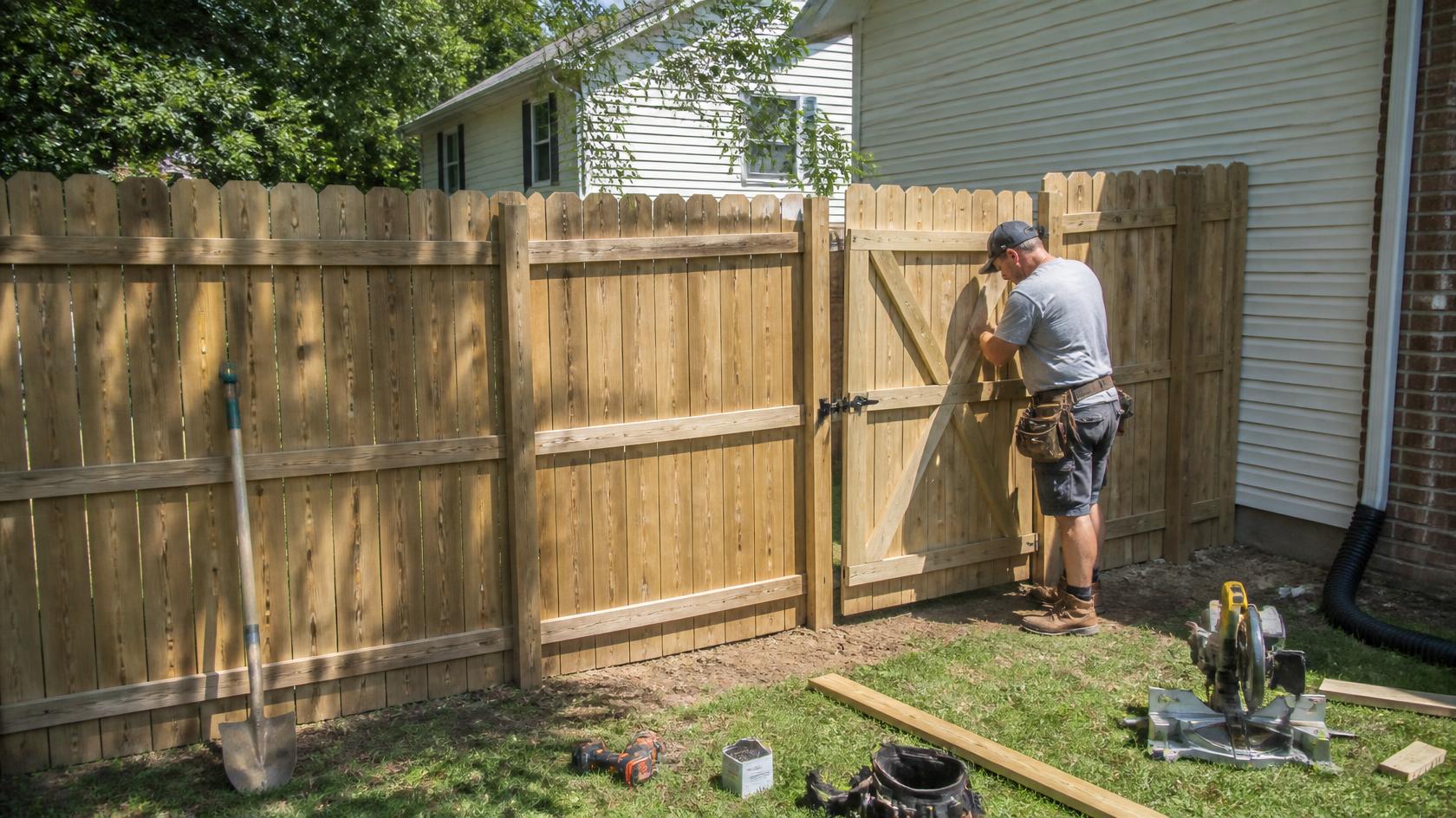
Fence repair in Genoa often comes down to three areas: gates, posts, and panels or fence sections. Property owners should repair isolated problems early, especially after wind, rain, snow, or freeze-thaw cycles, while widespread structural damage may point to sectional or full replacement.
Start With the Problem Area
A fence does not always need complete replacement when one section begins to fail.
Many common problems can be repaired individually, including:
A sagging gate
One leaning post
A cracked rail
A few damaged boards
Loose chain link fabric
Broken hardware
The key is determining whether the damage is isolated or part of a larger structural problem.
Before repairing anything, inspect the surrounding section. A gate problem may actually begin with a shifting post, while a loose panel may be caused by a failing rail.
When a Fence Gate Should Be Repaired
Gates experience more movement than stationary fence sections, so they often show wear first.
Repair may be appropriate when the gate has:
Loose hinges
Minor sagging
A misaligned latch
Worn hardware
Slight frame movement
Debris interfering with operation
A properly working gate should open smoothly, close fully, and latch without being lifted or forced into position.
Minor adjustments can often restore normal operation if the frame and posts remain sound.
When Gate Problems Point to Something Bigger
Repeated gate problems may indicate structural damage.
Look for:
Leaning gate posts
A bent frame
Cracked connections
Severe sagging
Repeated latch misalignment
Movement at the footing
Simply moving the latch may not solve the problem if the post itself has shifted.
Northern Illinois freeze-thaw cycles can gradually affect soil around gate posts, while saturated ground or vehicle impacts may also cause movement.
When the supporting structure is damaged, the post or gate frame may need replacement.
Check Sliding Gates Carefully
Commercial properties and larger entrances may use sliding gates.
Inspect:
Rollers
Guides
Tracks
Frames
Stops
Latches
Grinding, shaking, uneven movement, or incomplete closing can indicate a developing problem.
Keep gravel, leaves, mud, snow, and ice away from the travel path.
Small roller or guide repairs are usually easier to handle before they begin stressing the entire gate.
When Fence Posts Can Be Repaired
Posts provide the structural support for the fence.
A post may be repairable when:
It has shifted slightly
The post itself remains structurally strong
The footing is still usable
Damage is limited to one location
Possible causes of movement include:
Heavy rain
Soil erosion
Freeze-thaw cycles
Wind pressure
Minor impacts
A structurally sound post may sometimes be reset or stabilized after the underlying problem is corrected.
When a Post Should Be Replaced
Replacement is usually more practical when a post is:
Rotten
Badly bent
Deeply corroded
Cracked
Severely unstable
Damaged at the base
Wood posts should be checked closely near ground level, where moisture can contribute to rot.
Metal posts should be inspected for corrosion, especially near soil and concrete.
If several posts are failing throughout the fence, a larger replacement project may be worth considering.
Inspect Drainage Around Posts
Recurring post problems may be connected to water.
Check for:
Standing water
Mud
Soil erosion
Exposed footings
Low areas
Runoff flowing toward the fence
Heavy rain and snowmelt can weaken soil around posts.
If drainage contributed to the problem, fixing only the post may lead to repeated movement later.
When Wood Panels Can Be Repaired
Wood fence panels often develop localized damage before the whole fence fails.
Repair may make sense when you find:
A few cracked boards
Loose pickets
Minor warping
Pulled fasteners
One damaged rail
Individual boards or rails can often be replaced when the surrounding posts remain strong.
This can help preserve the rest of the fence without rebuilding an entire run.
When Panels Need Larger Repairs
A larger repair may be needed when:
Several boards are loose
Rails are cracked or rotten
Panels are separating from posts
Wind has shifted multiple sections
Wood rot is spreading
If the supporting rails and posts are weak, replacing only visible boards may provide only a temporary fix.
Inspect the structure behind the panel before deciding on the repair.
Repairing Chain Link Sections
Chain link fencing can often be repaired in sections.
Common problems include:
Sagging mesh
Broken tie wires
Loose tension bands
Bent top rails
Torn fabric
Gaps beside posts
Strong fabric can often be retensioned after damaged posts or rails are corrected.
Broken ties, bands, and fittings can also be replaced individually.
If the fabric has become brittle or heavily corroded, sectional replacement may make more sense.
Check for Storm and Wind Damage
Genoa fences can experience damage from strong winds, falling branches, heavy rain, snow, and ice.
After severe weather, check:
Posts for movement
Panels for loose connections
Rails for bending
Gates for alignment
Chain link fabric for sagging
Hardware for damage
Solid privacy fencing may experience more wind pressure than open chain link or ornamental fencing.
A quick inspection after storms can help catch weakening connections before the next weather event causes more damage.
Watch for Rust and Corrosion
Metal fence components should be inspected regularly.
Look closely at:
Post bases
Hinges
Latches
Bolts
Tie wires
Tension hardware
Minor surface rust may be manageable while the underlying metal remains strong.
Flaking metal, thinning posts, brittle mesh, or heavily corroded hardware may require replacement.
Residential Fence Repair Priorities
Genoa homeowners should prioritize damage affecting:
Pet containment
Backyard privacy
Gates
Walkways
Play areas
Property boundaries
Sharp wire, unstable posts, loose panels, and gates that do not latch should receive early attention.
Commercial Fence Repair Priorities
Commercial properties should pay closer attention to:
Vehicle gates
Parking areas
Loading zones
Equipment yards
Outdoor storage
Dumpster enclosures
Vehicle and equipment impacts can damage posts and gates quickly.
If the same section is repeatedly hit, wider entrances, bollards, wheel stops, or improved traffic flow may help reduce future repairs.
Repair or Replace?
Repair usually makes sense when:
Damage is isolated
Most posts remain strong
Only a few boards or rails are damaged
Chain link fabric remains usable
Gate problems are limited
Replacement may be more practical when:
Several posts are unstable
Wood rot is widespread
Corrosion affects large areas
Multiple panels or rails are failing
Gates repeatedly need repair
Sectional replacement may also be a good middle option when one run is beyond repair but the rest of the fence remains dependable.
Schedule Fence Repair in Genoa
The best fence repair starts with identifying the real source of the problem. Gates, posts, panels, rails, chain link fabric, drainage, and hardware should all be evaluated together.
Rockford Fence provides residential and commercial fence repair, installation, replacement, chain link fencing, wood fencing, ornamental fencing, security fencing, gates, dumpster enclosures, and commercial fence solutions.
Contact Rockford Fence for a fence inspection in Genoa, IL. The team can evaluate damaged gates, posts, panels, and other sections and recommend practical repair or replacement options.
