
Fence Repair in Lake Carroll, IL: Seasonal Maintenance for Property Owners
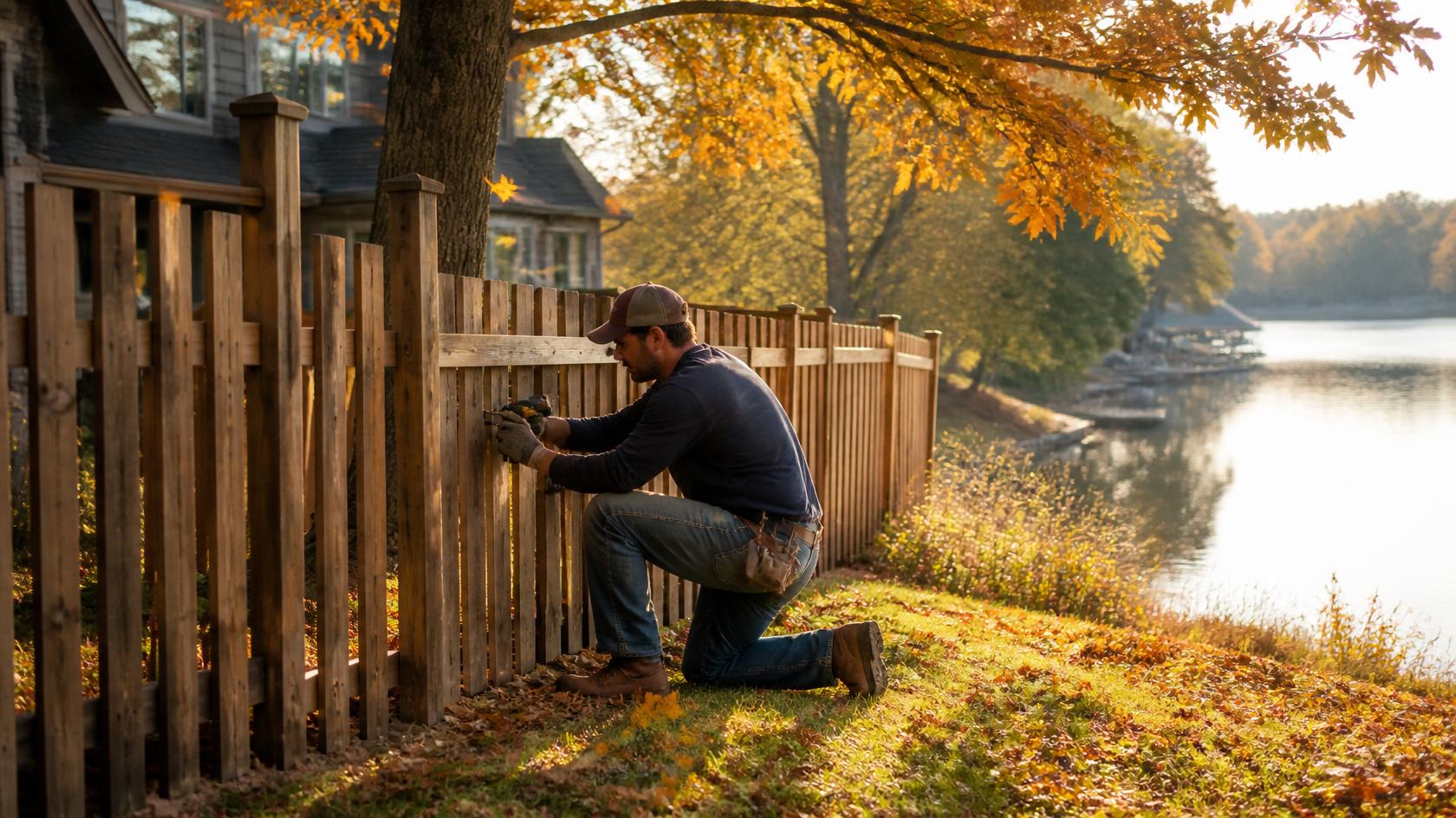
Fence repair in Lake Carroll, IL often becomes necessary when seasonal weather, moisture, wind, snow, ice, and property use cause posts, panels, gates, chain link fabric, or hardware to weaken. Regular seasonal maintenance helps property owners catch small issues before they turn into larger repairs. Checking fences in spring, summer, fall, and winter can help protect privacy, pets, security, property boundaries, and long-term fence value.
Why Seasonal Fence Maintenance Matters
Fences in Lake Carroll deal with changing conditions throughout the year. Spring rain, summer storms, fall debris, winter snow, ice, and freeze-thaw cycles can all affect how well a fence holds up. Even a strong fence can develop problems when posts shift, panels loosen, gates sag, or hardware rusts.
For homeowners, fence maintenance may help protect backyards, pets, side yards, lake-area properties, gardens, and property boundaries. For commercial or shared-use properties, maintenance may help protect parking areas, storage spaces, dumpster enclosures, service areas, gates, and security fencing.
Seasonal maintenance makes it easier to find problems early instead of waiting until damage becomes more expensive to repair.
Common Fence Problems in Seasonal Weather
Fence issues can happen slowly over time or suddenly after severe weather.
Property owners should watch for:
Leaning fence posts
Loose or broken panels
Sagging gates
Gates that do not latch
Loose chain link fabric
Bent rails
Rusted hinges and latches
Wood rot
Missing fence ties
Gaps near the ground
Storm-damaged sections
Sections pulling out of alignment
The right repair depends on the fence material, the extent of the damage, and how the fence is used.
Spring Fence Maintenance
Spring is a good time to inspect fencing after winter snow, ice, and freeze-thaw cycles. Cold weather can shift soil around posts, loosen hardware, and make existing damage worse.
In spring, check for:
Leaning posts
Soft or wet soil around post bases
Loose panels
Rusted hinges or latches
Gates that shifted over winter
Loose chain link fabric
Broken branches near the fence
Gaps near the ground
Spring fence repair may include resetting posts, tightening hardware, adjusting gates, repairing panels, or replacing damaged chain link sections.
Summer Fence Maintenance
Summer often brings heavier yard use, more gate traffic, landscaping work, and storms. If a fence is used for pets, backyard privacy, or access control, summer is a good time to make sure everything is working properly.
Summer maintenance should include:
Checking gates and latches
Trimming branches and shrubs near the fence
Removing weeds from the fence line
Watching for loose boards or panels
Checking for rust on metal parts
Inspecting chain link fabric
Repairing storm damage quickly
A gate that sticks or sags in summer may become worse after repeated use. Small repairs during the season can help prevent larger issues later.
Fall Fence Maintenance
Fall maintenance helps prepare a fence for winter. Leaves, branches, and debris can collect around fence lines and hold moisture against posts, panels, or chain link sections.
In fall, property owners should:
Clear leaves and debris from the fence line
Trim branches before winter storms
Check posts for movement
Tighten loose hardware
Repair damaged panels
Check gates before freezing weather
Look for rust or wood rot
Fall is also a good time to repair weak sections before snow and ice add extra pressure.
Winter Fence Maintenance
Winter can be hard on fencing. Snow buildup, ice, wind, and freeze-thaw cycles can place stress on posts, gates, rails, and panels.
During winter, property owners should avoid:
Piling heavy snow against the fence
Forcing frozen gates open
Letting ice buildup strain hinges
Ignoring broken branches on fence sections
Waiting until spring to check visible damage
If a gate is frozen or blocked by snow, forcing it can bend the frame, damage hinges, or pull posts out of alignment. Careful winter use can reduce repair needs.
Loose or Leaning Fence Posts
Fence posts are one of the most important parts of any fence. When posts move, the rest of the fence can shift with them.
Posts may loosen because of:
Wet soil
Poor drainage
Freeze-thaw cycles
Soil erosion
Wind pressure
Snow buildup
Rust near metal post bases
Rot near wood post bases
Storm or impact damage
One loose post may be repairable. If several posts are leaning, section replacement or full fence replacement may be the better long-term option.
Gate Problems
Gates often need seasonal attention because they move frequently and depend on strong posts, hinges, latches, and frames.
Common gate problems include:
Sagging
Dragging on the ground
Not latching properly
Loose hinges
Rusted hardware
Bent frames
Leaning gate posts
Gaps around the gate opening
For residential properties, gate problems can affect pets, children, backyard access, and security. For commercial properties, gate issues can affect employees, deliveries, service vehicles, dumpster access, parking areas, and restricted zones.
Wood Fence Repair
Wood fencing can provide privacy and a natural appearance, but it can be affected by moisture, rot, warping, and seasonal weather.
Wood fence repair may be needed when there are:
Loose boards
Cracked pickets
Warped panels
Rot near the bottom
Broken rails
Panels pulling away from posts
Storm-damaged sections
Small wood fence repairs can help prevent larger section failure, especially before winter weather or after heavy rain.
Chain Link Fence Repair
Chain link fencing is durable, but it can still need repair after storms, rust, impact damage, or seasonal ground movement.
Common chain link repair issues include:
Loose fabric
Bent top rails
Missing fence ties
Damaged tension wire
Rusted fittings
Leaning posts
Gate alignment problems
Gaps near the ground
For pet owners, loose chain link fabric can create escape points. For commercial properties, damaged chain link can reduce security around storage areas, parking lots, equipment yards, and service areas.
Storm Damage and Debris
Storms can damage fences quickly. Wind, fallen branches, heavy rain, and flying debris can affect panels, rails, posts, and gates.
After storms, check for:
Broken or leaning sections
Branches resting on the fence
Bent rails
Loose fabric
Damaged gates
Loose hardware
Gaps along the fence line
Even if the fence is still standing, hidden damage may become worse during the next storm or seasonal change.
Repair vs. Replacement
Not every damaged fence needs to be replaced. Many seasonal fence problems can be repaired when they are caught early.
Fence Repair May Be Enough When:
One or two posts are loose
A gate needs adjustment
A few panels are damaged
Chain link fabric is loose in one section
A top rail is bent
Rust or rot is minor
Storm damage is isolated
Fence Replacement May Be Better When:
Multiple posts are leaning
Gates keep failing
Wood is rotting in several areas
Chain link fabric is rusted throughout
Several sections are unstable
Repairs are becoming frequent
The fence no longer provides privacy or security
If seasonal repairs keep adding up, replacement may provide better long-term value.
Contact Rockford Fence for Fence Repair in Lake Carroll, IL
If your fence has seasonal damage, loose posts, sagging gates, damaged panels, loose chain link fabric, rusted hardware, storm damage, or sections pulling out of alignment, Rockford Fence can help determine whether repair or replacement is the right solution.
Rockford Fence provides fence repair, fence installation, fence replacement, chain link fencing, wood fencing, ornamental fencing, security fencing, gates, dumpster enclosures, and commercial fence solutions for residential and commercial properties.
Contact Rockford Fence for fence repair in Lake Carroll, IL and nearby areas.
