Fence Repair in Lake Carroll, IL: What Seasonal Property Owners Should Know
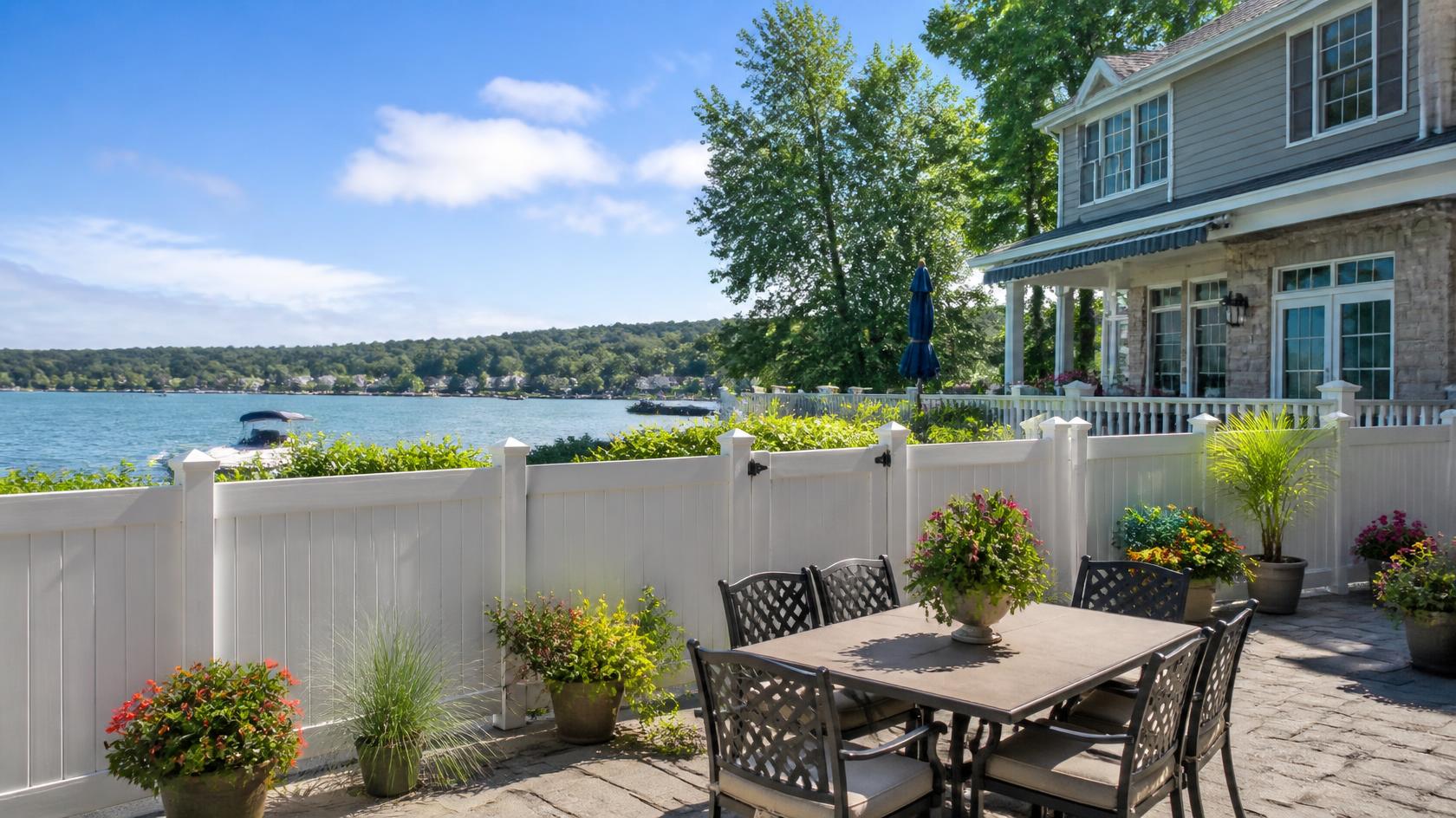
Seasonal properties can develop fence problems while owners are away, especially after storms, snow, heavy rain, and freeze-thaw cycles. Lake Carroll property owners should inspect posts, gates, panels, chain link fabric, drainage, and ground-level gaps when returning for the season and before leaving the property unattended.
Why Seasonal Properties Need a Different Fence Repair Routine
A fence can change noticeably during a long period when no one is there to see it.
Strong winds can loosen panels. Snow and ice can shift gates. Saturated soil can affect posts. Falling branches can bend rails or tear chain link fabric. Small issues that would normally be noticed during everyday use may remain hidden for weeks or months.
For seasonal property owners, the goal is to inspect the fence at key times instead of waiting until a visible failure appears.
A practical routine includes:
Walking the perimeter when you arrive
Rechecking after major storms
Looking at gates and high-use areas first
Inspecting drainage around posts
Making needed repairs before leaving again
These checks can help keep isolated damage from spreading into a larger section.
Walk the Full Fence Line When You Return
Start with a complete perimeter inspection.
Do not only look at the areas visible from the house or driveway. Problems can develop along wooded edges, slopes, corners, and low areas where water collects.
Check for:
Leaning or loose posts
Missing or damaged boards
Bent rails
Sagging chain link fabric
Broken tie wires or fittings
Gates that drag or do not latch
Fallen branches
Gaps beneath the fence
Rust or wood deterioration
If one section looks different from your last visit, inspect the nearby posts and connections too. Fence damage often affects more than the most obvious component.
Check Posts Before Other Repairs
Posts support the rest of the fence, so movement here can create several other problems.
A post may shift because of:
Freeze-thaw cycles
Saturated soil
Erosion
Weak footings
Vehicle or equipment contact
Wood rot or metal corrosion
If a post is slightly out of alignment but remains structurally sound, it may sometimes be reset.
Posts that are rotten, badly bent, deeply corroded, or unstable at the base may need replacement.
When several posts lean in the same area, the problem may involve drainage or soil conditions rather than individual post failure.
Inspect Gates for Alignment Changes
Gates often show seasonal movement before the rest of the fence.
Open and close each gate several times and check whether it:
Clears the ground
Swings or slides smoothly
Closes completely
Latches without being forced
Sits square between the posts
A suddenly misaligned latch may indicate that the hinge post or latch post has shifted.
Do not assume the latch itself is the only problem. Repeatedly adjusting hardware without checking the support posts can leave the underlying issue unresolved.
For sliding gates, keep gravel, mud, leaves, snow, and ice away from rollers, tracks, or guides.
Look for Chain Link Problems
Chain link fencing can usually be repaired in sections when the surrounding structure remains strong.
Watch for:
Loose or sagging mesh
Torn fabric
Broken tie wires
Loose tension bands
Bent top rails
Openings near posts
Rust around fittings
Strong fabric can often be retensioned after damaged posts, rails, or hardware are repaired.
A damaged section may also be replaced without removing the entire fence.
If the mesh has become brittle or corrosion is widespread, broader replacement may be more practical.
Check Wood Fencing for Moisture Damage
Wood fences deserve extra attention after periods of wet weather or long absences.
Inspect:
Post bases
Bottom rails
Lower boards
Fasteners
Areas behind vegetation
Look for softness, cracking, warping, loose boards, or visible rot.
A single damaged board may be a straightforward repair when the rails and posts remain strong.
If moisture has spread into supporting rails or posts, the repair may involve a larger section.
Keeping vegetation from pressing against the fence can also make inspections easier and reduce areas that stay damp for long periods.
Inspect for Tree and Storm Damage
Lake Carroll properties may have trees close to fence lines, which can create another source of seasonal damage.
After strong winds or storms, look for:
Fallen limbs
Bent rails
Crushed panels
Shifted posts
Torn chain link
Loose hardware
Even when a branch has already fallen away from the fence, the impact may have weakened fittings or changed alignment.
Check the sections on both sides of the impact area instead of focusing only on the visible damage.
Watch for Ground-Level Gaps
Gaps beneath fencing may develop while the property is unattended.
Common causes include:
Erosion
Animal activity
Soil settlement
Loose chain link
Changes in drainage
For homeowners with pets, these openings can create escape points.
If a gap keeps returning, filling it with soil may not solve the real issue. Drainage, erosion, or loose fabric may need to be corrected first.
Pay Attention to Drainage
Water around fence posts can contribute to repeated movement.
Look for:
Standing water
Mud
Washed-out soil
Exposed concrete
Low spots
Runoff along the fence
Seasonal freeze-thaw cycles can make movement worse when the ground stays saturated.
If a post has already shifted more than once, correcting drainage may be just as important as repairing the fence itself.
Inspect After Winter and Major Weather
Winter can leave behind problems that are not obvious from a distance.
When returning after colder months, check for:
Leaning posts
Gate alignment changes
Bent rails
Loose panels
Sagging chain link
Rust or corrosion
Snow piled against fencing can place pressure on panels, rails, posts, and mesh.
Heavy rain can also reveal erosion or low areas around footings.
A short inspection after major weather events can help identify damage before the next storm adds more stress.
Prioritize Repairs Before Leaving Again
Before the property is left unattended, focus on repairs that could create larger problems.
Priority issues include:
Gates that do not latch
Unstable posts
Loose panels
Torn chain link
Sharp or broken wire
Large gaps
Bent rails
Branches resting on the fence
A secure, properly aligned fence is less likely to deteriorate quickly while no one is there to monitor it.
Know When Repair Is Enough
Repair may make sense when:
Damage is limited to one or two sections
Most posts remain stable
Chain link fabric is still strong
Only a few boards or rails are damaged
Gate problems are isolated
Corrosion or rot is limited
Sectional replacement can also work when one area has deteriorated but the rest of the fence remains dependable.
Full replacement may be more practical when several posts are unstable, wood rot is widespread, corrosion affects large sections, or repeated repairs are becoming common across the perimeter.
Keep Your Lake Carroll Fence Ready Between Visits
Seasonal property owners should treat fence inspections as part of opening and closing the property for the season.
Weather, soil movement, trees, moisture, and normal wear can all create problems while the property is unattended. Checking the fence when you arrive, after major weather, and before leaving again can help keep repairs focused and manageable.
Rockford Fence provides residential and commercial fence repair, installation, replacement, chain link fencing, wood fencing, ornamental fencing, gates, and other fence solutions.
Contact Rockford Fence for a fence inspection in Lake Carroll, IL. The team can evaluate damaged sections and recommend practical repair, sectional replacement, or full replacement options based on the condition of the fence.
