
Fence Repair After Storm Damage in Roscoe, IL: What Property Owners Should Check
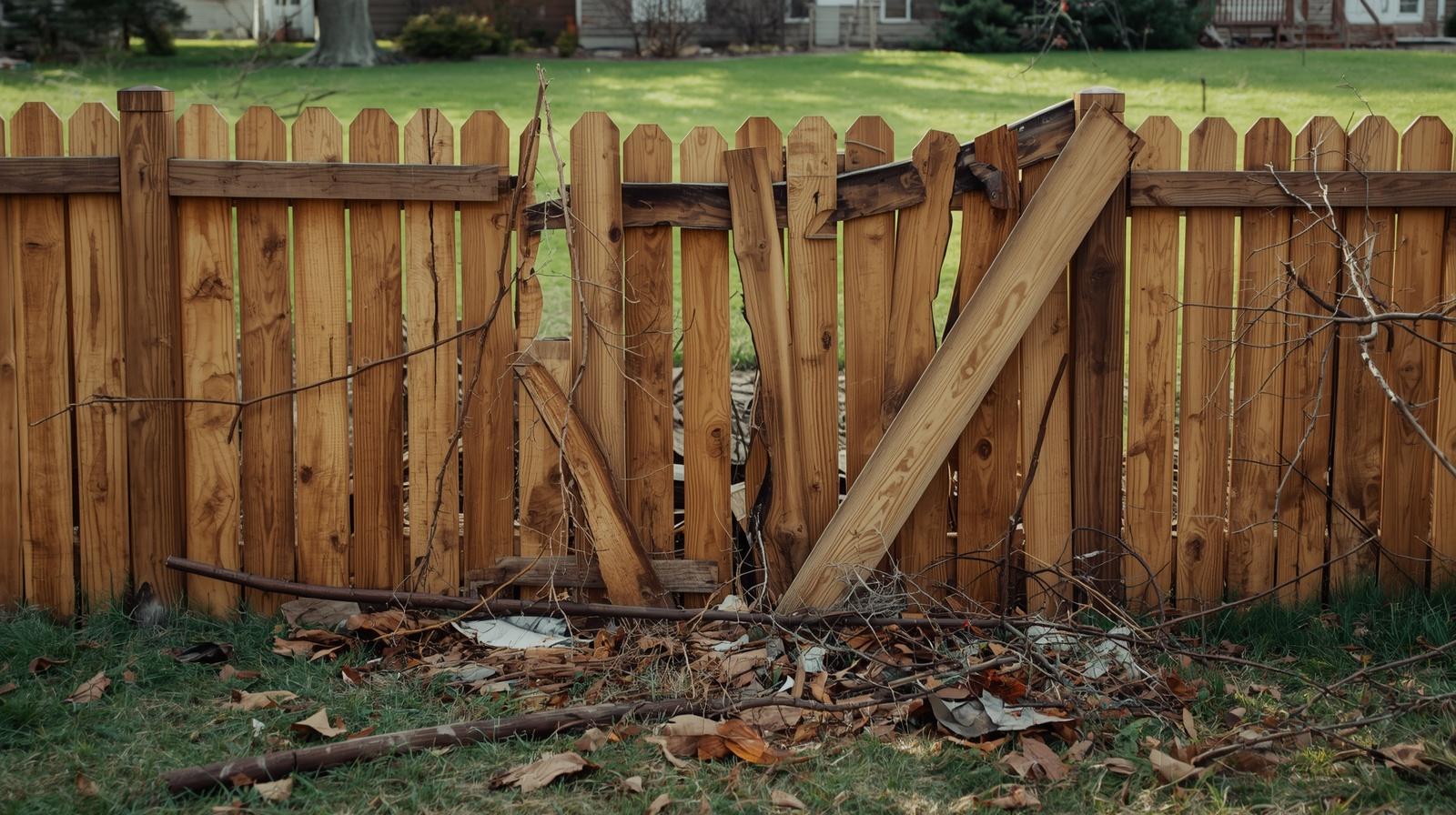
After a storm in Roscoe, IL, property owners should check fences for leaning posts, loose panels, bent rails, gate problems, rusted hardware, fallen branches, and damaged chain link fabric. Some storm damage can be repaired, but widespread issues may require fence replacement. A careful inspection helps protect security, privacy, pet containment, and long-term fence durability.
Why Storm Damage Fence Repair Matters in Roscoe, IL
Storms can cause sudden fence damage, but they can also make existing fence problems worse. A post that was already loose may start leaning. A gate that was slightly misaligned may stop closing. A small rust issue may become more noticeable after heavy rain, wind, or debris impact.
For homeowners in Roscoe, storm damage can affect privacy, backyard safety, pet containment, and curb appeal. For business owners, property managers, and commercial property owners, a damaged fence can affect security, access control, parking areas, equipment yards, dumpster enclosures, and service areas.
Roscoe properties face Midwest weather throughout the year, including wind, snow, ice, rain, freeze-thaw cycles, and storm debris. Checking your fence after strong weather can help catch damage early before it becomes a larger repair or replacement project.
Check for Leaning or Loose Fence Posts
Fence posts are the main support system for any fence. If posts shift during a storm, the rest of the fence may become unstable.
After a storm, walk the fence line and look for posts that are:
Leaning
Loose at the base
Pulling away from panels or rails
Cracked or split
Rusted near the ground
Surrounded by washed-out soil
In Roscoe, heavy rain and freeze-thaw cycles can loosen soil around posts. Strong wind can then push weak posts out of alignment. If only one or two posts are affected, repair may be possible. If several posts are leaning, full fence replacement may be the better long-term option.
Inspect Fence Panels and Boards
Wood fence panels and boards can take a lot of damage during storms. Wind can loosen panels, falling branches can break boards, and moisture can expose rot that was already developing.
Property owners should check for:
Broken boards
Loose pickets
Cracked panels
Missing sections
Warped wood
Rot near the bottom of boards
Panels pulling away from posts
A few damaged boards can often be replaced. If multiple panels are weak, rotted, or unstable, replacement may make more sense than repeated repairs.
For privacy fences, storm damage should be addressed quickly. A broken section can reduce privacy and allow pets or children to leave the yard.
Look for Bent Rails and Loose Framework
Rails help hold fence sections together. On chain link fences, the top rail helps maintain the shape and strength of the fence. On wood fences, rails support boards and panels.
After a storm, look for:
Bent chain link top rails
Loose wood rails
Rails pulling away from posts
Broken fasteners
Sagging fence sections
Damage caused by falling branches
Bent rails may be repairable if the posts and fabric are still in good shape. However, rail damage can also point to deeper structural problems if posts have shifted or the fence has lost tension.
Check Chain Link Fence Fabric
Chain link fencing is durable, but it can still be damaged by storms, falling limbs, vehicle impact, or heavy debris.
Common chain link storm damage includes:
Loose fabric
Bent or stretched mesh
Fabric pulled away from posts
Broken ties
Damaged tension wire
Gaps near the ground
Rusted or weakened fittings
For residential properties, damaged chain link can create escape points for pets. For commercial properties, damaged chain link can weaken security around parking lots, equipment yards, storage areas, and service zones.
If the damage is limited, chain link fabric can often be repaired or replaced in sections. If the fence is rusted or loose throughout, replacement may be more practical.
Test Gates for Proper Operation
Gates are often affected by storm damage because they rely on alignment, posts, hinges, and latches. Even a small shift in the gate post can keep the gate from closing correctly.
After a storm, test each gate and check for:
Sagging
Dragging on the ground
Latch misalignment
Broken hinges
Loose hardware
Bent frames
Rusted parts
Difficulty opening or closing
A gate that does not close securely can create safety and security concerns. For homeowners, it can affect pets and backyard access. For commercial properties, it can affect deliveries, employee access, parking areas, dumpster service, and restricted zones.
Gate repair may involve adjusting the latch, replacing hinges, resetting posts, or repairing the frame. If the gate is badly bent or repeatedly failing, replacement may be the better option.
Watch for Rust and Hardware Damage
Storms bring moisture, and moisture can make existing rust problems worse. Metal fencing, chain link fittings, hinges, latches, bolts, and ornamental fence sections should all be checked after heavy rain or ice.
Look for:
Rusted hinges
Corroded latches
Loose bolts
Weak fittings
Rust near post bases
Chipped coatings
Hardware that no longer holds securely
Minor hardware damage can often be repaired. Widespread rust may signal that the fence is nearing the end of its useful life.
Clear Debris Carefully
Branches, limbs, and storm debris can place pressure on a fence. Removing debris quickly can prevent additional bending, cracking, or sagging.
Be careful when clearing debris from:
Wood panels
Chain link fabric
Ornamental fence sections
Gates
Posts and rails
If a large branch is resting on the fence, the fence may shift when the weight is removed. If the damage looks serious, it may be safer to have the fence inspected before trying to force panels or gates back into place.
Residential Storm Damage Fence Repair
Homeowners in Roscoe may need fence repair after storms for privacy, pet containment, backyard access, and curb appeal.
Common residential storm repairs include:
Replacing broken boards
Fixing leaning posts
Repairing backyard gates
Reattaching loose panels
Fixing chain link fabric
Repairing pet escape points
Replacing damaged hardware
Small damage should not be ignored, especially if pets use the yard. A loose gate, broken panel, or gap in chain link fencing can quickly become a bigger problem.
Commercial Storm Damage Fence Repair
Commercial fences often serve security and access-control needs. A damaged commercial fence may expose equipment, vehicles, dumpsters, storage areas, or restricted zones.
Commercial storm damage may affect:
Chain link security fencing
Parking lot fencing
Gates and access points
Equipment yards
Dumpster enclosures
Storage areas
Utility spaces
Ornamental fencing near public areas
For business owners and property managers, quick repair can help restore security and keep the property looking maintained. Commercial gates should be checked closely because they are often used daily and may fail after storms or ground movement.
Repair vs. Replacement After Storm Damage
Not all storm-damaged fences need full replacement. The decision depends on how widespread the damage is and whether the fence is still structurally sound.
When Fence Repair May Be Enough
Fence repair may be practical when:
One or two posts are leaning
A few boards or panels are damaged
A gate needs adjustment
Chain link fabric is loose in one area
A rail is bent
Hardware needs replacement
Storm damage is isolated
The fence still provides security or privacy
Repair can be a good way to extend the life of the fence when the rest of the structure is stable.
When Fence Replacement May Be Better
Fence replacement may make more sense when:
Multiple posts are leaning
Several panels are broken or rotted
Gates keep failing
Chain link fabric is loose or rusted throughout
The fence no longer provides privacy or security
Storm damage affected large sections
Repairs are becoming frequent
The fence looks worn or unstable
If the fence was already aging before the storm, replacement may provide better long-term value than repeated repairs.
How to Reduce Future Storm Damage
Property owners cannot prevent every storm-related issue, but regular maintenance can help reduce damage.
Helpful steps include:
Inspect posts after winter
Keep branches trimmed near fence lines
Tighten loose hardware
Repair leaning posts early
Watch for rust or rot
Keep snow piles away from gates and panels
Check gates after strong winds
Repair small damage before the next storm
A well-maintained fence is more likely to hold up during severe weather.
Contact Rockford Fence for Storm Damage Fence Repair in Roscoe, IL
If your fence has leaning posts, broken panels, bent rails, gate problems, loose chain link fabric, rust, or storm damage, Rockford Fence can help you decide whether repair or replacement makes the most sense.
Rockford Fence provides fence installation, fence repair, fence replacement, chain link fencing, wood fencing, ornamental fencing, security fencing, gates, dumpster enclosures, and commercial fence solutions for residential and commercial properties.
Contact Rockford Fence for fence repair after storm damage in Roscoe, IL and nearby areas.
