Fence Replacement in Albany, WI: Choosing the Right Fence for Your Lot
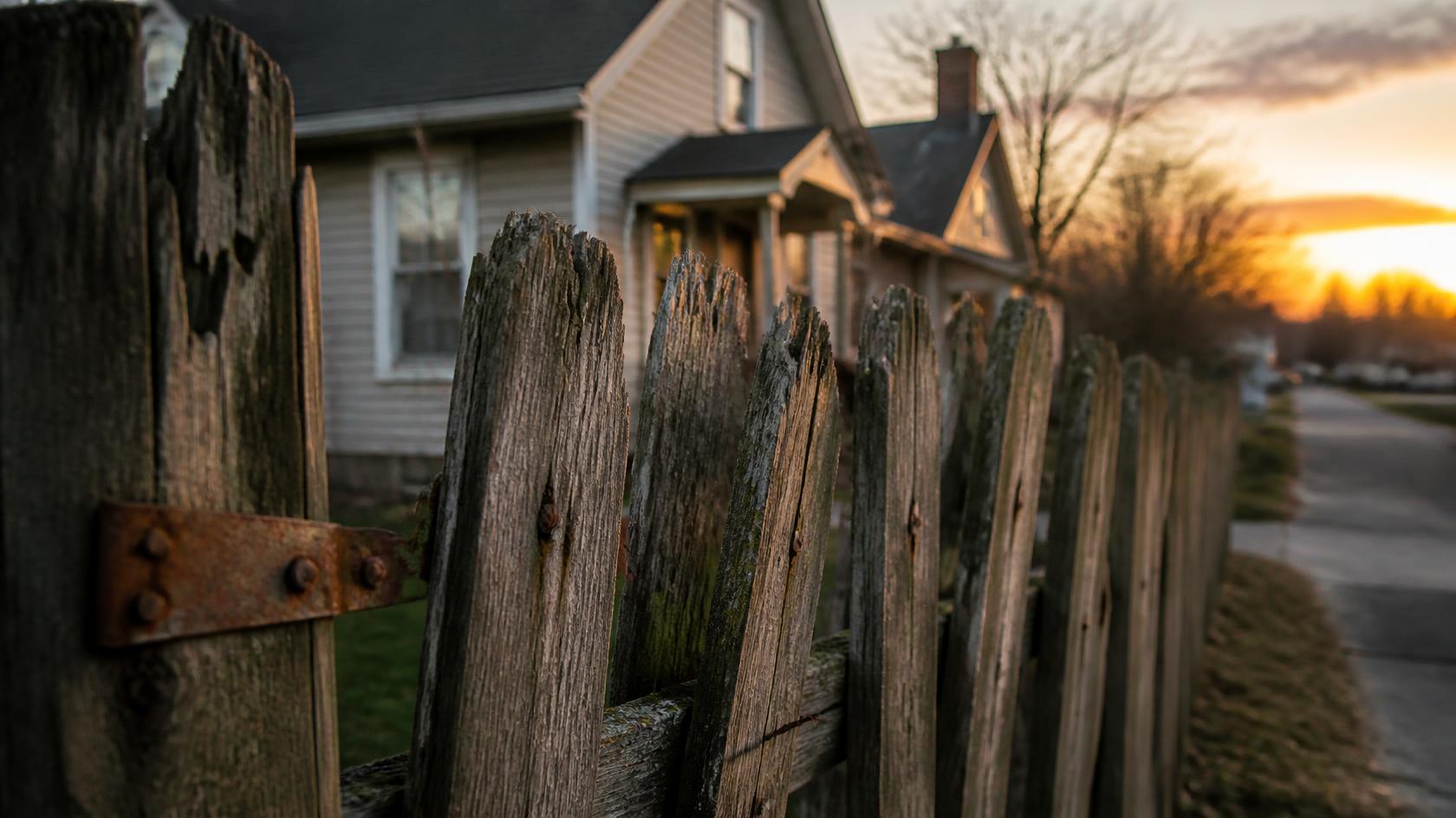
Fence replacement is a good opportunity to rethink privacy, security, access, maintenance, and how the fence fits the shape of your property. Albany property owners should compare materials, gate locations, drainage, terrain, and Wisconsin weather before choosing a replacement fence.
Start With Why the Existing Fence Needs Replacement
Before selecting a new fence, look at what caused the old one to fail.
Common reasons include:
Multiple leaning posts
Widespread wood rot
Heavy rust or corrosion
Repeated gate problems
Broken or loose panels
Brittle chain link fabric
Storm damage
Frequent repairs
Understanding the cause can help you avoid repeating the same problem.
For example, if posts repeatedly shifted because of poor drainage, installing a new fence without addressing the water issue may eventually create similar movement.
Think About How You Use the Lot
The right fence depends heavily on how the property functions.
Homeowners may need fencing for:
Backyard privacy
Pets
Children
Gardens
Outdoor living areas
Property boundaries
Commercial properties may prioritize:
Security
Parking control
Equipment storage
Vehicle access
Dumpster enclosures
Outdoor inventory
A large open lot may require a different fence than a small residential backyard.
Start with function, then choose the material and layout.
Compare Fence Materials
Different fence materials offer different levels of privacy, visibility, maintenance, and durability.
Wood Fencing
Wood is often chosen when privacy and a traditional appearance are priorities.
It can work well around:
Backyards
Patios
Gardens
Residential property lines
Wood fencing should be checked over time for rot, warping, cracked rails, and loose fasteners.
Properties with poor drainage or heavy vegetation may need additional attention because prolonged moisture can accelerate deterioration.
Chain Link Fencing
Chain link is practical for larger lots, pet areas, commercial properties, and locations where visibility is preferred.
Benefits include:
Open visibility
Practical perimeter control
Sectional repair options
Suitability for larger areas
Chain link fencing should still be maintained by checking posts, rails, mesh, fittings, gates, and corrosion.
Ornamental Fencing
Ornamental fencing can provide a more open and finished appearance.
It may be a good choice around:
Front yards
Walkways
Pools
Business entrances
Customer-facing areas
Maintenance typically includes checking coatings, welds, brackets, hinges, and gates.
Match the Fence to the Size of the Lot
Larger properties require careful planning because fence length can affect material choice, gate access, maintenance, and overall project scope.
For a larger Albany lot, consider:
How much of the property truly needs fencing
Whether privacy is needed along the entire perimeter
Where vehicles or equipment need access
Whether different fence styles could serve different areas
For example, a property may use privacy fencing near outdoor living areas while using chain link along less visible boundaries.
Review the Terrain
Fence replacement becomes more complicated when the lot is uneven.
Look for:
Slopes
Low areas
Drainage channels
Erosion
Tree roots
Changes in elevation
The fence layout should work with the property rather than create unnecessary gaps or awkward transitions.
Uneven ground can also affect gate operation, especially where swing clearance is limited.
Check Drainage Before Installing New Posts
Water can affect fence stability over time.
Inspect the old fence line for:
Standing water
Mud
Soil erosion
Exposed footings
Low areas
Runoff from downspouts or nearby surfaces
Wisconsin freeze-thaw cycles can worsen movement where the ground remains saturated.
If drainage contributed to the old fence failing, correcting it before replacement can help protect the new system.
Plan Gate Locations Carefully
Gate planning should happen before the new fence layout is finalized.
Consider:
Walking access
Lawn equipment
Trailers
Vehicles
Delivery access
Snow removal
Trash or utility areas
A gate that is too narrow may create frustration or repeated impact damage.
Larger properties may benefit from more than one access point so equipment does not need to travel through the same entrance every time.
Consider Gate Width and Swing Direction
Gate width should match how the opening will actually be used.
Ask:
Will a mower fit comfortably?
Will a trailer need access?
Does a commercial vehicle need clearance?
Is there enough room for the gate to swing?
Will snow interfere with operation?
Poorly planned gates often become maintenance problems later.
For commercial properties, wider entrances may help reduce accidental contact with fence posts and gate frames.
Plan for Albany Weather
Wisconsin weather should influence the replacement plan.
Freeze-Thaw Cycles
Repeated freezing and thawing can move soil around footings and change gate alignment.
Snow
Snow piled against fencing can place pressure on panels, rails, chain link fabric, and posts.
Strong Winds
Solid privacy fencing catches more wind than open chain link or ornamental fencing.
Heavy Rain
Saturated soil and erosion can affect post stability.
Weather exposure should be considered along with material, post placement, drainage, and fence height.
Confirm Property Boundaries
Before changing the fence line, review reliable property information.
This may include:
Surveys
Plat documents
Property markers
Easements
Shared access areas
Utility locations
Property owners should also review applicable local requirements before changing fence placement, height, or design.
Confirming these details before work begins can reduce the risk of having to change the layout later.
Think About Old Fence Removal
Replacement usually includes removing at least part of the existing fence.
Removal may involve:
Panels
Chain link fabric
Rails
Gates
Posts
Concrete footings
Old hardware
Tree roots, large concrete footings, steep terrain, or limited equipment access may make removal more involved.
Knowing what must come out helps make the replacement plan more realistic.
Consider Long-Term Maintenance
Choose a fence that matches how much maintenance you are willing to handle.
Over time, inspections may include:
Posts
Rails
Boards or mesh
Hinges
Latches
Rollers
Rust-prone areas
Drainage
Vegetation
A fence that fits your maintenance expectations is more likely to remain dependable.
Repair or Replace?
Repair may still be appropriate when:
Only one or two posts are damaged
A few boards need replacement
Chain link fabric remains strong
One rail is bent
Gate problems are isolated
Replacement may make more sense when:
Several posts are unstable
Wood rot is widespread
Corrosion affects large sections
Chain link fabric is brittle
Multiple panels or rails are failing
Gates repeatedly need repair
Sectional replacement may also be an option when one part of the fence is badly deteriorated but the rest remains sound.
Choosing a Fence for Residential Properties
Albany homeowners should think about how the fence will affect daily use.
Priorities may include:
Privacy
Pet containment
Curb appeal
Yard access
Landscaping
Maintenance
The best replacement fence should improve how the property works rather than simply copy the previous layout.
Choosing a Fence for Commercial Lots
Commercial properties may need additional planning around traffic and security.
Consider:
Vehicle gates
Employee access
Parking areas
Outdoor storage
Equipment yards
Loading zones
Dumpster enclosures
If the old fence suffered repeated vehicle impacts, wider gates, bollards, wheel stops, or a revised traffic route may help reduce future repairs.
Plan Your Fence Replacement in Albany
Choosing the right replacement fence involves more than selecting a material. Lot size, terrain, gates, drainage, weather exposure, maintenance, and future property use all influence how well the new fence will perform.
Rockford Fence provides residential and commercial fence installation, repair, replacement, chain link fencing, wood fencing, ornamental fencing, security fencing, gates, dumpster enclosures, and commercial fence solutions.
Contact Rockford Fence to discuss fence replacement in Albany, WI. The team can evaluate the existing fence and help plan a replacement based on your lot, access needs, privacy, security, and long-term maintenance goals.
