
Fence Replacement in Davis Junction, IL: Cost Factors & Planning Tips
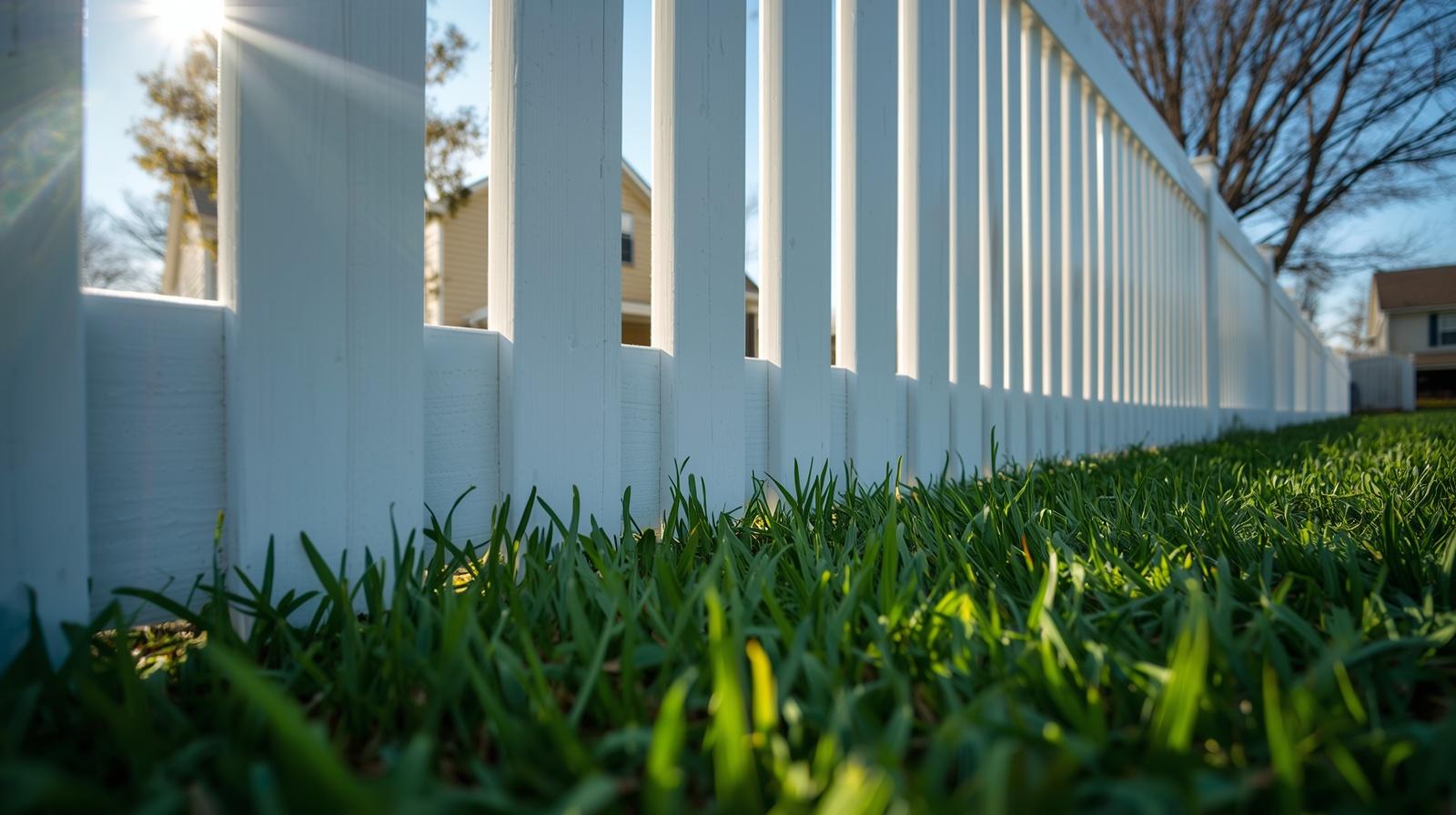
Replacing a fence in Davis Junction, IL involves more variables than most property owners initially expect — material choice, fence length, post depth, site conditions, and disposal of the old fence all affect the final cost. This guide walks through the key cost factors and practical planning steps so you can approach a fence replacement project with clear expectations. Rockford Fence handles fence replacement throughout Davis Junction and the surrounding Ogle County region.
When Fence Replacement Makes More Sense Than Repair
Most property owners in Davis Junction reach the replacement conversation the same way — through a series of repairs that didn't hold, or a single event like a storm or a hard winter that revealed how much the fence had already deteriorated beneath the surface.
The honest threshold is straightforward. If repair costs are running at 50% or more of what a replacement would cost, or if the fence is showing systemic failures across multiple posts, sections, and components rather than isolated damage, replacement is the better investment. You stop throwing money at a structure that's past its useful life and start fresh with a fence that performs reliably for the next 15–30 years depending on material.
Davis Junction sits in Ogle County in a climate zone that puts real stress on fence structures every year — frost depths that reach 42 inches, spring storms with high winds, wet soil conditions that accelerate wood rot and post deterioration. A fence that was borderline five years ago has typically crossed the line by now.
The Major Cost Factors in a Fence Replacement
No two fence replacement projects cost the same amount, and understanding what drives the variation helps set realistic expectations before you get your first estimate.
Fence Length and Perimeter Size
The most obvious cost driver is linear footage — how many feet of fence are being replaced. Longer fence runs mean more material, more posts, and more labor. Before requesting estimates, measure your fence line as accurately as you can. Walking the perimeter and counting existing posts is a reasonable starting point; a contractor will confirm measurements during the site visit.
For residential properties in Davis Junction, a typical backyard fence replacement might run 150–300 linear feet. Rural and larger residential parcels can run significantly more, and commercial perimeters vary widely based on property size.
Material Choice
Material is the single biggest variable in fence replacement cost, and the range is wide. From least to most expensive per linear foot, the general order runs: chain link, wood, vinyl, aluminum, and ornamental steel. Each material also carries a different maintenance cost profile over its lifespan, which affects the true long-term cost comparison.
A few material-specific cost considerations for Davis Junction properties:
Wood is the most commonly replaced fence material in residential northern Illinois. Cedar costs more upfront than pressure-treated pine but typically holds up better through Illinois winters without as much maintenance. Either way, wood requires periodic sealing or staining to reach its full lifespan, which is a cost that should be factored into the total ownership picture.
Vinyl carries a higher upfront cost than wood but nearly eliminates ongoing maintenance expense. Over a 25–30 year lifespan, the math often favors vinyl for homeowners who plan to stay in the property long-term.
Chain link is the most cost-effective option for larger perimeters and commercial applications. For rural residential properties and farm-adjacent parcels common in Ogle County, a commercial-grade chain link replacement covers more ground at lower cost per linear foot than any other material.
Ornamental steel and aluminum carry the highest upfront material cost and are most appropriate for decorative residential applications, commercial frontage, and pool enclosures where appearance is a priority alongside function.
Post Material and Depth
Posts are not a line item to economize on. In the Davis Junction area, frost depth reaches 42 inches — posts that aren't set at or below that depth will heave over winter and begin failing within a few seasons. Proper post depth requires more labor and more concrete, and those costs are baked into a quality installation.
Post material matters too. Steel posts for chain link and ornamental fencing are standard. Wood fence posts — typically 4x4 cedar or pressure-treated pine — need to be the right species and treatment class for ground contact. Using the wrong post material is one of the most common causes of premature wood fence failure, and it's not a mistake you want to repeat on a replacement.
Removal and Disposal of the Existing Fence
Replacing a fence means getting rid of the old one first. Removal and disposal costs vary based on material and condition — a wood fence that can be broken down and hauled as debris is different from a commercial chain link installation with concrete footings that need to be extracted. Make sure any estimate you receive is clear about whether removal and disposal is included in the price or billed separately.
For DIY-inclined property owners, handling your own fence removal before the contractor arrives can reduce the total project cost — but confirm that approach with your contractor first, since some prefer to control the removal as part of site preparation.
Gate Count and Type
Gates add cost to any fence replacement project, and the cost varies considerably based on gate type, size, and hardware. A basic walk-through wood gate is a modest add-on. A double-drive gate with heavy-duty hardware, or a commercial slide gate with an automatic operator, is a significant line item in its own right.
If your existing fence had gate problems — a sagging gate, a post that kept shifting, a latch that never worked reliably — replacement is the opportunity to fix those issues correctly. Resetting gate posts to proper depth in fresh concrete and specifying hardware that's actually rated for the gate's size and use frequency prevents the same problems from recurring on the new fence.
Terrain and Site Conditions
Flat, open lots are the easiest and most cost-effective sites for fence installation. Davis Junction and rural Ogle County properties often present additional site challenges:
Sloped or uneven terrain requires racking or stepping panels, which adds labor
Rocky or hard-packed soil makes post hole digging slower and more equipment-intensive
Tree roots and existing landscaping near the fence line complicate post placement
Wet or soft soil near drainage areas or along creek lines may require deeper or larger footings
Existing concrete footings from the old fence that need to be removed or drilled through
A site visit before finalizing an estimate is important precisely because terrain variables aren't visible on a property diagram. A contractor who quotes a fence replacement without seeing the site is working with incomplete information.
Permit Requirements
Ogle County and local municipalities may require a permit for fence replacement depending on fence height, location, and property type. Permit fees are typically modest, but the requirement to comply with setback distances, height limits, and property line placement can affect the project scope.
Calling JULIE at 811 before any post holes are dug is a legal requirement in Illinois — underground utilities need to be marked regardless of whether you're installing a new fence or replacing an existing one in the same location. Post holes go deep, and utility lines don't always run where you expect them.
Planning Tips Before You Start
Getting the planning right before the first post comes out saves time, money, and headaches during the project.
Confirm Your Property Lines
Fence line disputes are common — and almost always avoidable. If you're replacing an existing fence that may have been installed on the wrong line, or if you're not certain where your property line actually runs, review your plat of survey before committing to a fence location. Installing a replacement fence a few inches over a property line can require a costly removal and reset.
Choose the Right Time of Year
Fence replacement in northern Illinois is possible year-round, but spring through fall is generally the preferred window for wood installations — concrete sets more reliably in warmer temperatures, and wood posts handle installation better when the ground isn't frozen. Chain link, vinyl, and ornamental metal fencing can be installed in colder conditions more readily than wood.
If your fence was damaged in a storm or has created a security or liability issue, prompt replacement matters more than optimal timing — a good contractor will work with the conditions.
Think Through the Gate Placement
Replacing a fence is the right time to reconsider gate placement if the existing layout wasn't working well. Gate location affects daily convenience — where you park, how you access the back yard or storage area, where deliveries come in. It's much easier to change gate placement during a replacement project than to add or move a gate after the fence is already up.
Get Multiple Estimates — But Read Them Carefully
Comparing estimates from multiple contractors is reasonable practice. When you do, make sure you're comparing the same scope — same linear footage, same post depth spec, same material grade, same removal and disposal inclusion. A lower estimate that specifies shallower posts, lighter-gauge material, or excludes removal and disposal isn't a better deal. It's a different product.
Ask each contractor specifically how deep posts will be set and what concrete footing approach they use. The answer tells you a great deal about the quality of the installation you're buying.
Plan for the Long Term
A fence replacement is a significant investment on a property. Matching the replacement material to your long-term ownership plans and maintenance willingness is worth the time to think through. A wood fence is the right choice for a homeowner who values the aesthetic and is willing to maintain it. Vinyl makes more sense for someone who wants to stop thinking about the fence after it's installed. Chain link is the right call for a large perimeter or a commercial property where cost-per-foot matters most.
There's no universally right answer — but there is a right answer for your property, your budget, and how long you plan to own it.
Residential and Commercial Fence Replacement in Davis Junction
Rockford Fence replaces fencing for homeowners, rural property owners, commercial businesses, and property managers throughout Davis Junction, IL and surrounding Ogle County communities. We work across all material types — wood, chain link, vinyl, ornamental steel, and aluminum — and every project begins with a site visit and an honest assessment of what the property actually needs.
We don't push the most expensive option. We match the right material and specification to the property, the budget, and the long-term ownership plan.
Contact Rockford Fence for Your Fence Replacement Project
If your fence has reached the end of its useful life — or if you're not sure whether repair or replacement is the right call — Rockford Fence can give you a straight answer. We serve Davis Junction and the broader northern Illinois region and bring the same installation standards to every project regardless of scope or size.
Visit rockfordfence.net or call us today to schedule your fence replacement consultation.
