Fence Replacement in Footville, WI: What Affects Timeline & Budget?
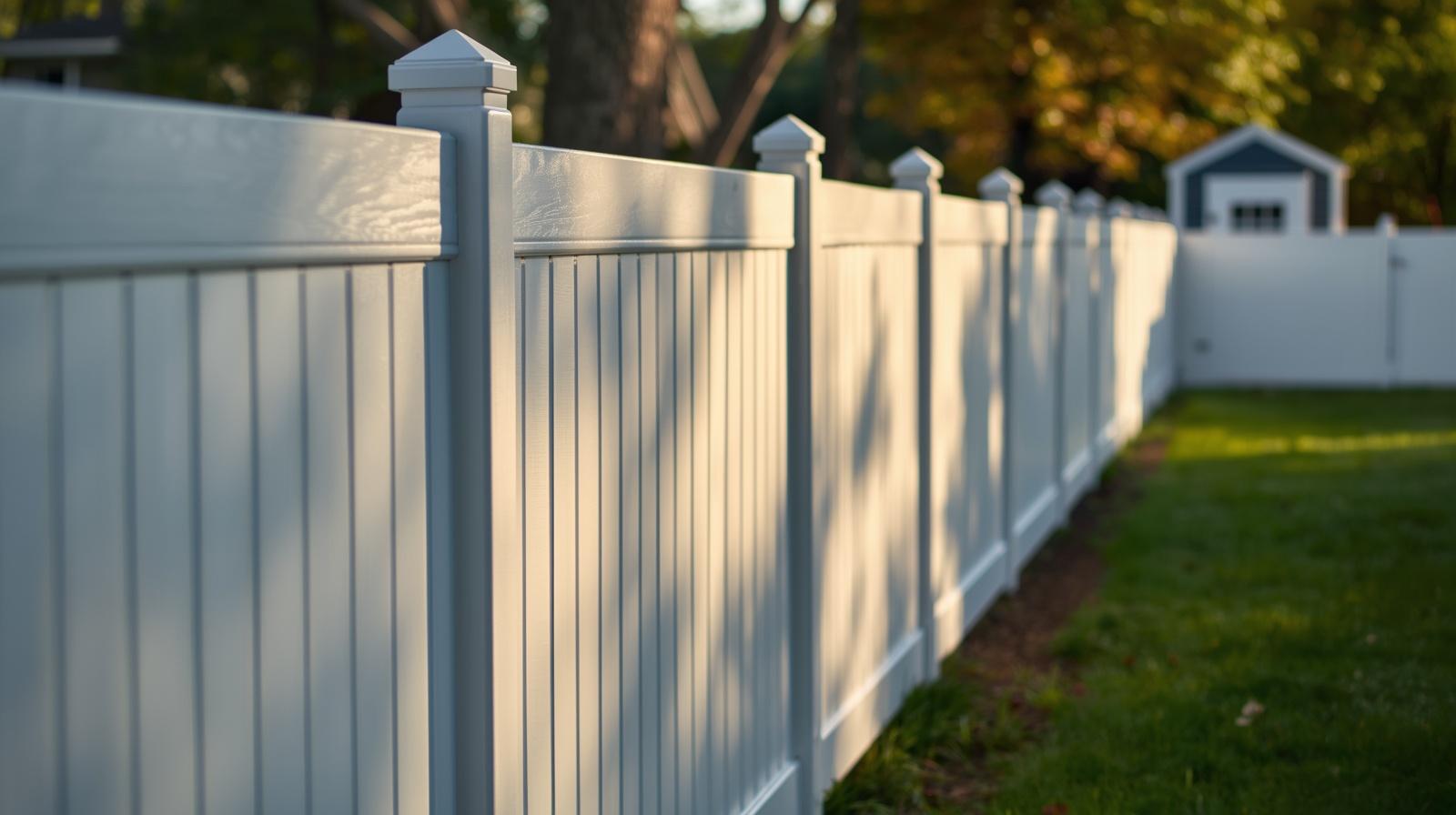
Fence replacement in Footville, WI can vary in timeline and budget depending on material choice, fence length, gates, old fence removal, site conditions, and weather. Some damaged fences can be repaired, but replacement may be the better option when posts, panels, gates, or chain link sections are failing across larger areas. Planning ahead helps property owners choose a durable fence that fits their property, budget, and long-term needs.
Why Fence Replacement Planning Matters in Footville, WI
Replacing a fence is a bigger project than simply removing old materials and installing something new. A good fence replacement should solve the problems the old fence had while improving how the property works.
For homeowners in Footville, fence replacement may be needed for privacy, pets, backyard safety, curb appeal, or storm damage. For business owners, property managers, facility managers, and commercial property owners, replacement may be tied to security, access control, parking areas, equipment yards, dumpster enclosures, gates, or commercial site organization.
A fence that is leaning, rusted, rotting, damaged by storms, or difficult to maintain may no longer be doing its job. Replacing it with the right material and layout can improve security, appearance, and long-term durability.
What Affects the Fence Replacement Timeline?
Fence replacement timelines can vary depending on the project size, fence type, site conditions, and weather. A simple residential fence replacement may be more straightforward than a large commercial fence project with gates and access needs.
Fence Length and Layout
The total length of the fence is one of the biggest timeline factors. A short backyard fence usually takes less time than a long property line or commercial perimeter fence.
The layout also matters. A straight fence line is usually easier to replace than a fence with several corners, slopes, gates, or tight access points.
Fence layout may be affected by:
Property lines
Trees and landscaping
Driveways or sidewalks
Existing structures
Sloped ground
Utility areas
Parking lots
Dumpster enclosures
Commercial traffic flow
The more complex the layout, the more planning and installation time may be needed.
Old Fence Removal
Before a new fence can be installed, the old fence often needs to be removed. The condition of the existing fence can affect how long this takes.
Removal may include:
Taking down old panels
Removing chain link fabric
Pulling damaged posts
Clearing broken rails
Removing rusted hardware
Hauling away old materials
Preparing the fence line for new installation
If old posts are rotted, rusted, leaning, or difficult to remove, the project may take longer. If the old fence was damaged by storms or impact, cleanup may also require extra attention.
Fence Material
Different fence materials can affect both timeline and installation process.
Common replacement options include:
Chain link fencing
Wood fencing
Ornamental fencing
Security fencing
Commercial fence systems
Chain link fencing is often practical for residential boundaries, pet containment, commercial lots, and storage areas. Wood fencing is commonly used for privacy and screening. Ornamental fencing may be chosen for curb appeal, front-facing areas, or commercial properties where appearance matters.
Each material has different post, panel, rail, gate, and hardware needs.
What Affects Fence Replacement Budget?
Fence replacement budget depends on several factors. The lowest upfront price is not always the best long-term value if the fence does not fit the property’s needs or requires frequent repairs later.
Material Choice
Material is one of the biggest budget factors.
Chain link fencing is often a budget-conscious option for large areas, commercial properties, pet containment, and security fencing. Wood fencing may cost more depending on height, style, and privacy needs. Ornamental fencing may have a higher upfront cost but can provide a cleaner appearance for homes, businesses, and public-facing areas.
The best material should match the property’s function, not just the initial price.
Fence Height
Taller fences require more material and stronger support. A short boundary fence will usually cost less than a taller privacy fence or commercial security fence.
Fence height may depend on:
Privacy needs
Pet containment
Security goals
Commercial access control
Property boundaries
Local requirements
Appearance preferences
For commercial properties, taller fencing may be useful around storage yards, equipment areas, and restricted spaces.
Gates and Access Points
Gates can affect both timeline and budget because they require additional posts, frames, hinges, latches, and alignment.
Residential gates may be needed for:
Backyard access
Pets
Lawn equipment
Side yards
Sheds or garages
Garden areas
Commercial gates may need to support:
Employees
Delivery vehicles
Service trucks
Trailers
Maintenance equipment
Dumpster service
Parking areas
Restricted access zones
Commercial gates often need stronger posts and heavier-duty hardware because they are used more frequently. Gate placement should be planned carefully during replacement.
Site Conditions and Access
Site conditions can make a fence replacement easier or more complex. A flat, open area is usually more straightforward than a property with slopes, trees, roots, pavement, drainage problems, or tight access.
Important site factors include:
Uneven ground
Rocky or difficult soil
Tree roots
Existing landscaping
Drainage issues
Driveways or sidewalks
Parking lots
Utility areas
Limited equipment access
Snow removal patterns
For Footville properties, drainage and freeze-thaw cycles are important. If the old fence failed because posts shifted, leaned, or loosened, the replacement plan should account for ground conditions.
Midwest Weather and Fence Durability
Wisconsin weather can affect both fence replacement timing and long-term performance. Wind, snow, ice, rain, freeze-thaw cycles, rust, storm damage, and wet soil can all impact a fence project.
Common weather-related fence problems include:
Leaning posts
Wood rot
Rusted hardware
Loose chain link fabric
Bent rails
Gate misalignment
Broken panels
Storm-damaged sections
Damage from snow removal equipment
A replacement fence should be built with durability in mind. Strong posts, proper material selection, quality hardware, and smart gate placement can help reduce future repair needs.
Residential Fence Replacement in Footville, WI
Homeowners may replace a fence when the current fence no longer provides privacy, pet containment, safety, or curb appeal.
Common residential replacement reasons include:
Storm damage
Rotting wood panels
Leaning posts
Sagging gates
Rusted chain link fencing
Outdated appearance
Gaps that affect pets or children
A layout that no longer works
A replacement project is a good opportunity to improve gate locations, change materials, or adjust the fence height based on how the yard is used.
Commercial Fence Replacement in Footville, WI
Commercial fence replacement often focuses on security, access control, and daily property function. A damaged commercial fence can affect operations and make the property look poorly maintained.
Commercial replacement may be needed for:
Chain link security fencing
Equipment yards
Storage lots
Parking areas
Gates and access points
Dumpster enclosures
Utility spaces
Service entrances
Ornamental fencing near public areas
For commercial properties, the fence should support employees, vendors, deliveries, service vehicles, and security needs.
Repair vs. Replacement: How to Decide
Not every damaged fence needs full replacement. Some issues can be repaired if the rest of the fence is still stable.
When Fence Repair May Be Enough
Fence repair may be practical when:
One or two posts are leaning
A gate needs new hinges or latches
A few boards or panels are damaged
Chain link fabric is loose in one area
A rail is bent
Rust is minor
Storm damage is isolated
When Fence Replacement May Be Better
Fence replacement may be the better option when:
Multiple posts are leaning
Wood is rotting in several areas
Gates keep failing
Chain link fabric is rusted throughout
Repairs are becoming frequent
The fence no longer provides privacy or security
The layout no longer works
The fence looks worn or unstable
If repairs are becoming regular, replacement may provide better long-term value.
Planning a Fence Replacement Project
Before replacing a fence, property owners should think about what they want the new fence to accomplish.
Helpful planning questions include:
What problems did the old fence have?
Should the layout stay the same?
Are more gates needed?
Should the fence be taller?
Is privacy or visibility more important?
Does the property need better security?
Will snow removal affect the fence line?
Is the fence for residential or commercial use?
Which material fits the long-term maintenance goal?
Good planning helps avoid unnecessary costs and creates a fence that works better for the property.
Contact Rockford Fence for Fence Replacement in Footville, WI
If your fence is leaning, rusted, rotting, storm-damaged, difficult to repair, or no longer meeting your property’s needs, Rockford Fence can help you review your replacement options.
Rockford Fence provides fence installation, fence repair, fence replacement, chain link fencing, wood fencing, ornamental fencing, security fencing, gates, dumpster enclosures, and commercial fence solutions for residential and commercial properties.
Contact Rockford Fence for fence replacement in Footville, WI and nearby areas.
