Fence Replacement in Freeport, IL: Cost Factors & Project Planning
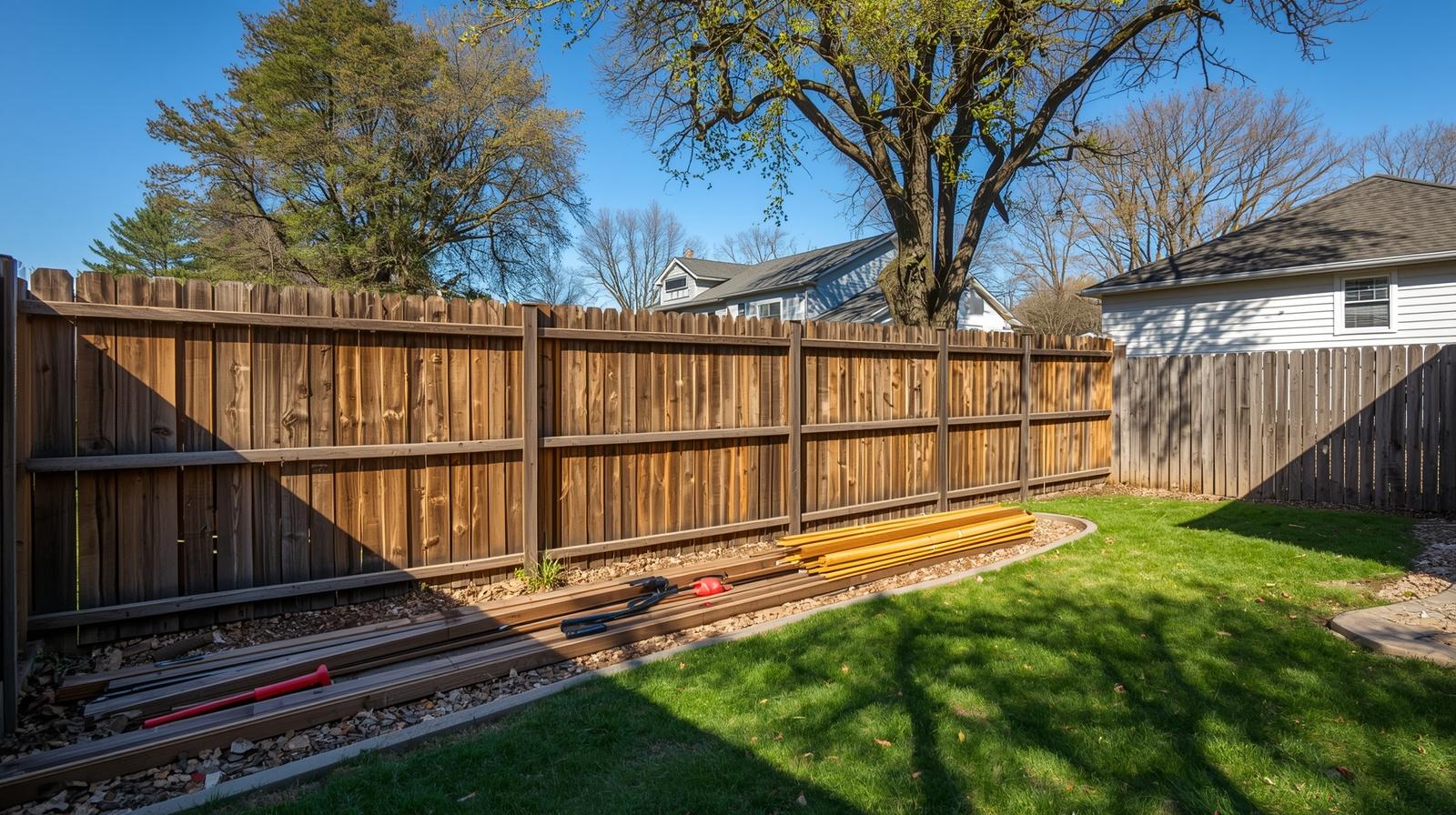
Fence replacement in Freeport, IL is often needed when an older fence has widespread damage, leaning posts, failing gates, rust, wood rot, storm damage, or no longer meets the property’s needs. The total cost depends on material choice, fence length, height, gates, site conditions, removal needs, and whether the project is residential or commercial. Careful planning helps property owners choose a durable fence that fits their security, privacy, access, and long-term maintenance goals.
Why Fence Replacement Matters for Freeport Properties
A fence does more than mark a property line. For homeowners, it can provide privacy, pet containment, curb appeal, and backyard function. For business owners, property managers, facility managers, and commercial property owners, fencing can support security, access control, traffic flow, equipment protection, and site organization.
Over time, fences in Freeport deal with Midwest weather and daily wear. Wind, snow, ice, rain, freeze-thaw cycles, rust, leaning posts, storm damage, and gate problems can all shorten a fence’s useful life. While some damage can be repaired, there comes a point when replacement becomes the more practical long-term solution.
A new fence can help improve:
Security
Privacy
Property appearance
Pet and child safety
Gate function
Access control
Commercial site organization
Long-term durability
The key is planning the project carefully before choosing materials or layout.
When Fence Replacement Makes More Sense Than Repair
Not every damaged fence needs to be replaced. If the problem is limited to one post, one panel, or one gate latch, repair may be enough. Replacement becomes more practical when damage is widespread or repairs are becoming frequent.
Signs It May Be Time to Replace Your Fence
Fence replacement may be the better option if:
Several posts are leaning or unstable
Wood boards or panels are rotting in multiple areas
Chain link fabric is rusted, loose, or damaged throughout
Gates keep sagging, dragging, or failing
Ornamental fencing has widespread rust or bent sections
Storm damage affected a large portion of the fence
The fence no longer provides enough privacy or security
The layout no longer works for the property
Repair costs are becoming too frequent
The fence looks worn, outdated, or poorly maintained
For commercial properties, a failing fence can create security and access issues. For homeowners, it can affect pets, privacy, curb appeal, and daily use of the yard.
When Repair May Still Be Enough
Fence repair may still make sense when the damage is limited and the rest of the fence is structurally sound.
Repair may be practical for:
One or two leaning posts
A damaged gate hinge or latch
A broken wood panel
A bent chain link rail
Minor rust on hardware
Isolated storm damage
Loose chain link fabric in one area
A professional evaluation can help determine whether repair will solve the issue or only delay a needed replacement.
Main Cost Factors for Fence Replacement
Fence replacement costs can vary depending on the property and project details. Understanding the major cost factors helps property owners plan more realistically.
Fence Material
Material choice is one of the biggest factors. Different materials have different costs, appearances, durability levels, and maintenance needs.
Common fence materials include:
Chain link fencing
Wood fencing
Ornamental fencing
Security fencing
Commercial-grade fencing materials
Chain link is often a practical option for security, boundaries, and commercial use. Wood is commonly used for privacy and residential spaces. Ornamental fencing provides a clean, professional appearance for homes and commercial properties. Security fencing may require stronger posts, taller heights, gates, and upgraded hardware.
Fence Length and Height
The total length of the fence affects material and labor needs. A small backyard replacement will usually be different from a large commercial property, equipment yard, or parking lot.
Height also matters. Taller fencing requires more material and stronger support. A privacy fence, pet fence, security fence, or commercial chain link fence may each require a different height depending on the property’s goals.
Gates and Access Points
Gates can significantly affect project planning. They require posts, hinges, latches, framing, and proper alignment. Commercial gates may need heavier-duty hardware than residential gates.
Gate planning should consider:
Vehicle access
Pedestrian access
Delivery routes
Lawn equipment
Emergency access
Snow and ice clearance
Locking needs
Daily use frequency
A fence replacement project is a good opportunity to improve gate placement if the old layout was inconvenient or difficult to use.
Removal of the Old Fence
Fence replacement often includes removing the existing fence. The condition and material of the old fence can affect the work involved.
Removal may include:
Taking down old panels or chain link fabric
Removing damaged posts
Clearing rusted hardware
Hauling away old materials
Preparing the area for new installation
If old posts are unstable, rotted, rusted, or set poorly, they may need special attention before the new fence is installed.
Site Conditions
Every property is different. Site conditions can affect planning and installation.
Important site factors include:
Sloped ground
Rocky soil
Drainage issues
Existing landscaping
Trees or roots
Driveways or pavement
Utility areas
Tight access points
Commercial traffic flow
For Freeport properties, drainage and freeze-thaw movement are especially important. Poor drainage can weaken posts over time, while freeze-thaw cycles can shift soil and affect fence stability.
Choosing the Right Fence Material
The best replacement fence depends on how the property is used.
Chain Link Fence Replacement
Chain link fencing is a practical choice for residential and commercial properties that need durability, visibility, and cost-effective security.
Chain link fencing works well for:
Backyards
Pet containment
Commercial lots
Storage areas
Equipment yards
Utility spaces
Parking lots
Security fencing
For commercial properties, chain link can be upgraded with taller heights, heavier gauge wire, stronger posts, privacy slats, and secure gates.
Wood Fence Replacement
Wood fencing is often chosen for privacy, curb appeal, and residential spaces. It can also be used for screening service areas, outdoor spaces, or dumpster enclosures.
Wood fencing can provide a warm, traditional look, but it requires maintenance. Moisture, snow, ice, and freeze-thaw cycles can lead to rot, warping, loose boards, and leaning sections over time.
Ornamental Fence Replacement
Ornamental fencing is a good option when appearance and boundary control both matter. It is commonly used for front-facing areas, commercial properties, apartment communities, office buildings, and homes where curb appeal is important.
Ornamental fencing can provide a clean, professional look while still offering a strong boundary.
Commercial Security Fence Replacement
Commercial security fencing may require stronger materials and more detailed planning. It may include chain link fencing, gates, access control-ready layouts, dumpster enclosures, or fencing around restricted areas.
Commercial security fence replacement may be needed for:
Warehouses
Storage yards
Fleet areas
Industrial properties
Apartment communities
Service areas
Parking lots
Utility zones
The fence should support daily operations while helping protect the property.
Planning Gates During Fence Replacement
Replacing a fence is the right time to rethink gates. A gate that was too narrow, poorly located, or frequently damaged can be improved during the replacement project.
Residential Gate Planning
Homeowners should consider access for:
Lawn equipment
Pets
Children
Backyard use
Side-yard entry
Trash bins
Sheds or garages
A properly placed gate makes the yard easier to use and helps prevent unnecessary wear.
Commercial Gate Planning
Commercial properties often need stronger gate planning because access affects daily operations.
Commercial gate planning should account for:
Delivery vehicles
Employee access
Service trucks
Maintenance equipment
Customer traffic
Emergency access
Snow removal
Security needs
Commercial gates should be built with durable posts, hinges, latches, and framing to handle frequent use.
Midwest Weather and Long-Term Durability
Fence replacement in Freeport should account for local weather. Midwest conditions can be hard on fences, especially older ones that were not installed with durability in mind.
Common weather-related issues include:
Leaning posts from freeze-thaw cycles
Rust on metal fencing and hardware
Wood rot from moisture exposure
Loose panels after wind
Storm damage from falling branches
Gate misalignment after ground movement
Snowplow damage near driveways or parking lots
Ice buildup around gates
A replacement fence should be planned with strong posts, proper materials, durable hardware, and practical gate placement. This helps reduce future repair needs and improves long-term performance.
Residential Fence Replacement in Freeport, IL
Homeowners may need fence replacement when an older fence no longer provides privacy, safety, or curb appeal.
Residential fence replacement may help with:
Privacy
Pet containment
Backyard boundaries
Pool or play areas
Gate access
Storm-damaged fences
Worn wood fencing
Rusted chain link fencing
A new fence can make a yard more functional and easier to maintain. It can also improve the look of the property from the street or neighboring lots.
Commercial Fence Replacement in Freeport, IL
Commercial fence replacement is often driven by security, access, and long-term maintenance concerns. A damaged or outdated fence can affect how a property operates.
Commercial properties may need replacement fencing for:
Security fencing
Equipment yards
Storage lots
Chain link fencing
Gates and access points
Dumpster enclosures
Parking areas
Utility zones
Ornamental fencing near public-facing areas
For business owners and property managers, replacing an old fence can improve security, appearance, and daily site function.
How to Plan a Fence Replacement Project
Good planning helps avoid delays and unexpected issues.
Before replacing a fence, property owners should think about:
Why the old fence failed
What the new fence needs to do
Which material fits the property
Where gates should be placed
Whether privacy or visibility matters
How weather affects the site
Whether commercial access is needed
Whether the layout should change
A fence replacement project is not just about putting up a new version of the old fence. It is an opportunity to improve the property’s function and durability.
Contact Rockford Fence for Fence Replacement in Freeport, IL
If your fence is leaning, rusted, rotting, storm-damaged, difficult to repair, or no longer meeting your property’s needs, Rockford Fence can help you review your options.
Rockford Fence provides fence installation, fence repair, fence replacement, chain link fencing, wood fencing, ornamental fencing, security fencing, gates, dumpster enclosures, and commercial fence solutions for residential and commercial properties.
Contact Rockford Fence for fence replacement in Freeport, IL and nearby areas.
