Fence Replacement in Loves Park, IL: How to Avoid Common Planning Problems
Fence replacement can go more smoothly when property owners plan the layout, gates, drainage, removal work, property boundaries, and material choice before installation begins. Loves Park homeowners and commercial property owners can avoid many common problems by addressing these details early instead of simply copying the old fence.
Start With Why the Existing Fence Needs Replacement
Before choosing a new fence, look at what caused problems with the old one.
Common reasons include:
Leaning posts
Widespread wood rot
Heavy corrosion
Repeated gate problems
Loose panels
Brittle chain link fabric
Storm damage
Frequent repairs
Understanding the cause can help prevent the same issue from returning.
For example, if several posts shifted because of poor drainage, installing new posts in the same conditions may eventually create similar problems.
Planning Problem: Assuming the Old Layout Is Best
One common mistake is placing the new fence exactly where the old fence stood without considering whether the layout still works.
Ask whether the current fence creates problems with:
Driveway access
Lawn equipment
Landscaping
Parking
Snow removal
Commercial deliveries
Usable yard space
Replacement is a good opportunity to improve access and make the property easier to use.
Planning Problem: Not Confirming Property Boundaries
Do not assume an existing fence line automatically matches the legal property boundary.
Review reliable property information such as:
Surveys
Plat documents
Property markers
Easements
Shared access areas
Property owners should also review applicable local requirements before changing fence height, location, or design.
Confirming these details early can help avoid having to move a newly installed section later.
Planning Problem: Choosing Material Only by Appearance
Appearance matters, but it should not be the only factor.
The fence also needs to match the property's privacy, security, maintenance, and access needs.
Wood Fencing
Wood can provide strong privacy and a traditional appearance.
It works well around many residential yards, patios, and outdoor living areas.
Maintenance should include checking for moisture, rot, warping, loose boards, and rail deterioration.
Chain Link Fencing
Chain link is practical for larger lots, pet areas, commercial properties, equipment yards, and locations where visibility is important.
It can also be repaired section by section when individual components become damaged.
Ornamental Fencing
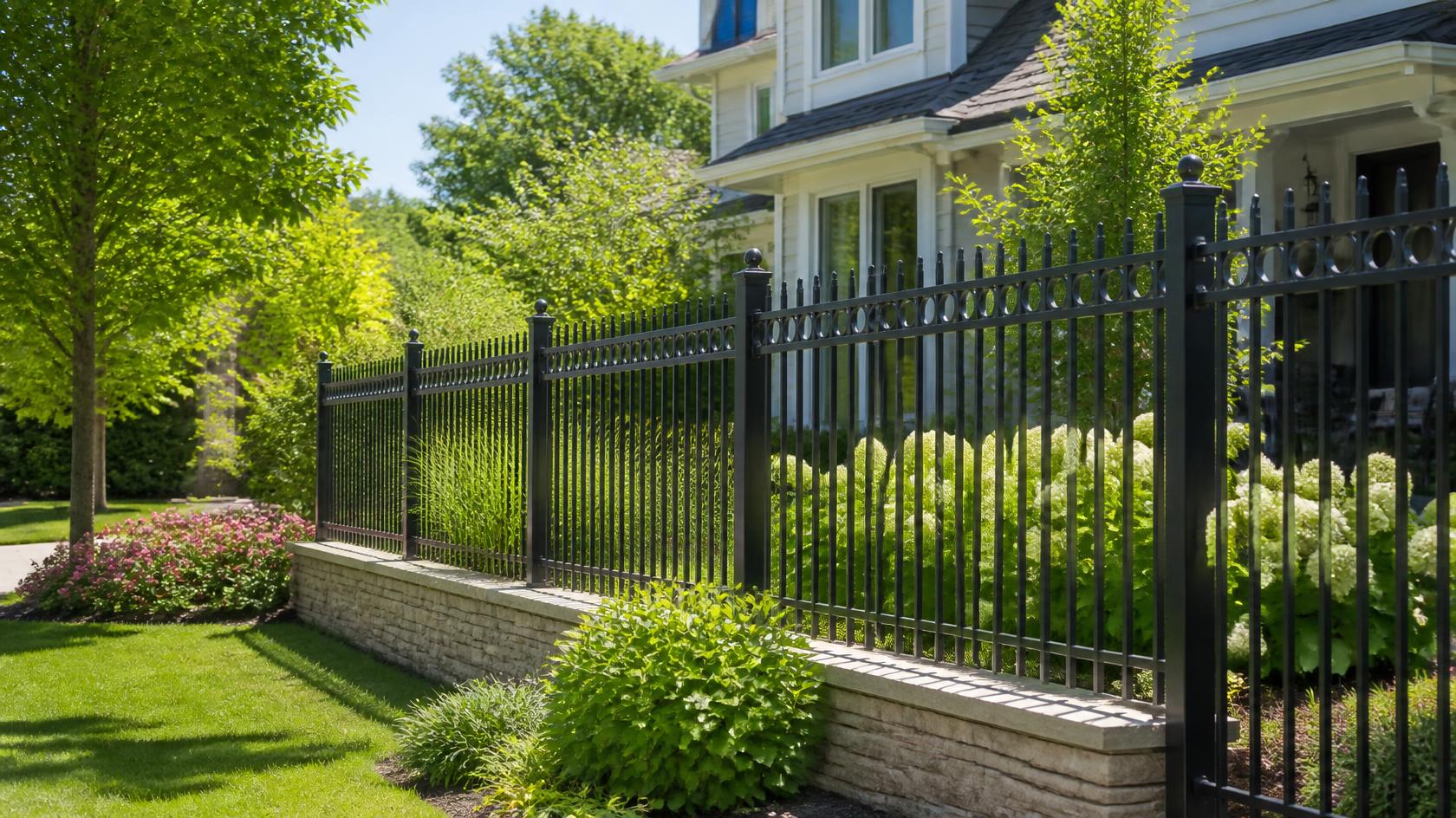
Ornamental fencing can create a more open appearance while maintaining a defined property boundary.
It may work well around front yards, walkways, pools, and business entrances.
Planning Problem: Waiting Too Long to Plan Gates
Gate placement should be decided before posts are installed.
Consider:
Number of gates
Gate width
Swing direction
Ground clearance
Lawn equipment
Trailers
Vehicle access
Snow buildup
A gate that is too narrow can create daily frustration and increase the chance of posts or frames being struck.
Commercial properties should think about delivery trucks, service vehicles, maintenance equipment, and future traffic needs.
Planning Problem: Ignoring Gate Support
Gate posts handle more movement and load than standard line posts.
A large gate needs proper support to reduce:
Sagging
Latch misalignment
Frame movement
Repeated repairs
Gate size, weight, frequency of use, and operating style should all be considered during replacement planning.
Planning Problem: Overlooking Drainage
Drainage is easy to miss when attention is focused on materials and appearance.
Before installing new posts, look for:
Standing water
Mud
Soil erosion
Low areas
Exposed old footings
Runoff toward the fence line
Northern Illinois freeze-thaw cycles can worsen movement where the ground stays saturated.
If the old fence had repeated leaning posts, drainage should be evaluated before replacement.
Planning Problem: Forgetting About Terrain
Slopes and uneven ground can affect how the new fence fits the property.
Check for:
Grade changes
Low spots
Tree roots
Erosion
Uneven ground
Terrain can influence panel alignment, ground clearance, and gate operation.
A gate placed on a steep or uneven section may drag or require additional clearance.
Planning Problem: Underestimating Old Fence Removal
Replacement often involves more removal work than expected.
The old fence may include:
Panels
Chain link fabric
Rails
Gates
Posts
Concrete footings
Hardware
Large concrete bases, tree roots, vegetation, or limited access can make removal more involved.
Knowing what needs to come out helps create a more realistic project plan.
Planning Problem: Not Thinking About Weather
Loves Park properties experience changing conditions throughout the year.
Strong Winds
Solid privacy fencing catches more wind than open chain link or ornamental styles.
Snow and Ice
Think about where snow will be plowed or stored so it is not repeatedly pushed against the fence.
Freeze-Thaw Cycles
Seasonal soil movement can affect post and gate alignment.
Heavy Rain
Drainage and erosion can reduce support around fence footings.
Material, layout, and gate planning should account for these conditions.
Planning Problem: Ignoring Future Property Use
A replacement fence may stay in place for many years.
Homeowners may later add:
A shed
Patio
Pool
Trailer
Larger lawn equipment
Commercial properties may change:
Delivery routes
Equipment
Storage areas
Parking
Access requirements
Planning for likely future use can reduce the need to modify the fence soon after installation.
Residential Fence Replacement Tips
Loves Park homeowners should think about how the fence will affect everyday use.
Consider:
Privacy
Pet containment
Yard access
Landscaping
Gate convenience
Maintenance
The replacement should improve the property rather than simply duplicate an older layout that no longer works well.
Commercial Fence Replacement Tips
Commercial properties may need additional planning around:
Vehicle gates
Parking areas
Loading zones
Equipment yards
Outdoor storage
Dumpster enclosures
If the old fence was repeatedly damaged by vehicles, the new plan may benefit from wider gates, bollards, wheel stops, or improved traffic flow.
Repair, Sectional Replacement, or Full Replacement?
Full replacement is not always necessary.
Repair may make sense when:
Damage is isolated
Most posts remain stable
Only a few boards or rails need work
Chain link fabric remains strong
Gate problems are limited
Sectional replacement may work when one area is badly deteriorated but the rest remains dependable.
Full replacement may be more practical when several structural components are failing throughout the perimeter.
Plan a Better Fence Replacement in Loves Park
Avoiding common planning problems starts with looking at the entire property before installation begins. Material, layout, gates, drainage, terrain, weather, removal work, and future access all influence how well the new fence will perform.
Rockford Fence provides residential and commercial fence installation, repair, replacement, chain link fencing, wood fencing, ornamental fencing, security fencing, gates, dumpster enclosures, and commercial fence solutions.
Contact Rockford Fence to discuss fence replacement in Loves Park, IL. The team can evaluate the existing fence and help plan a replacement that fits the property's access, privacy, security, and long-term maintenance needs.
