Fence Replacement Signs Northern Illinois Homeowners Miss
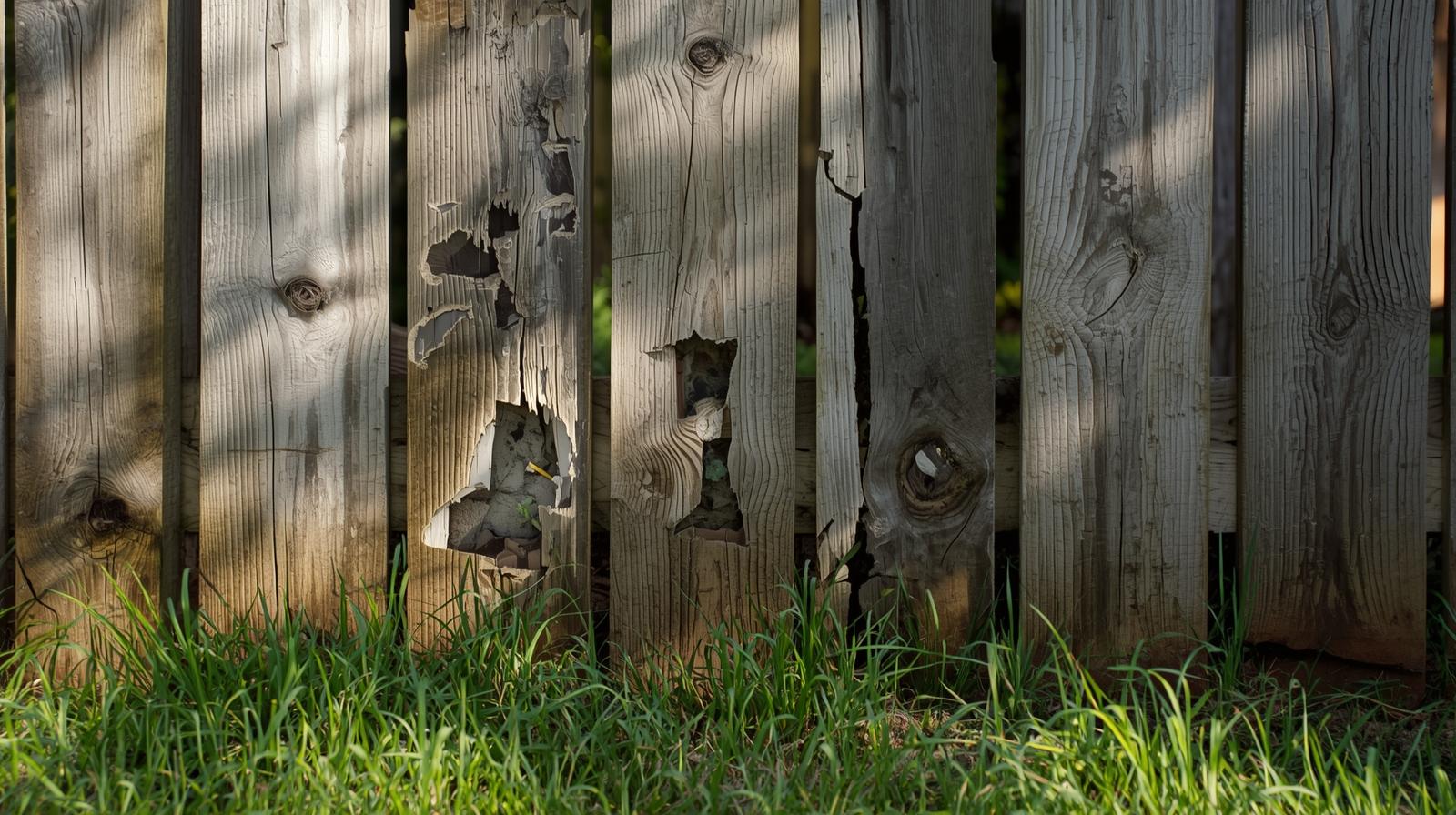
Most homeowners don’t replace a fence because it suddenly collapses. In Northern Illinois, fence failure usually happens slowly—quiet signs building up season after season until repair is no longer enough.
Between harsh winters, wet springs, humid summers, and freeze–thaw soil movement, fences in Rockford and surrounding areas age differently than they do in milder climates. The problem? Many of the most important fence replacement warning signs are easy to overlook.
This guide walks through the fence replacement signs Northern Illinois homeowners miss, explains why they matter in our local climate, and helps you decide when repair is still an option—and when replacement is the smarter long-term move.
Why Fence Problems Look Different in Northern Illinois
Northern Illinois fences face a unique combination of stressors:
Repeated freeze–thaw cycles
Clay-heavy soils that expand and contract
Spring saturation and summer humidity
Strong winds during storms
Long winters with snow and ice buildup
Because of this, fences here often fail from the ground up, not from obvious surface damage. A fence can look “okay” from a distance while its structure is already compromised.
1. Posts That Are “Slightly” Leaning—but Getting Worse
A small lean is one of the most ignored fence replacement signs.
Why homeowners miss it
The fence still stands
Gates still mostly work
The lean seems minor or unchanged
Why it matters in Northern Illinois
Leaning usually means post failure, not panel failure. In this region, that’s often caused by:
Frost heave
Saturated clay soil losing stability
Shallow or deteriorated footings
Once multiple posts begin leaning—even subtly—repairs often turn into a cycle of fixes rather than a real solution.
Rule of thumb:
If more than 20–25% of posts are leaning, replacement is usually more cost-effective than piecemeal repair.
2. Rot at the Base of Wood Posts You Can’t See
Wood fences rarely rot from the middle—they rot where the eye doesn’t linger.
Common hidden rot zones
Just below soil level
Where mulch or leaves pile up
Inside the post core beneath surface boards
Why Northern Illinois accelerates this
Wet springs keep soil damp for long periods
Snow melt sits at fence bases
Freeze–thaw opens micro-cracks that trap moisture
If you can push a screwdriver into the base of a post or see dark, spongy wood, the post is already structurally compromised—even if the rest of the fence looks fine.
3. Gates That Need “Constant Adjusting”
A gate that needs seasonal tweaking is more than an annoyance—it’s a signal.
What homeowners often assume
“Gates just do that”
“It’s the hinges”
“It’s old hardware”
What’s really happening
In Northern Illinois, frequent gate misalignment often points to:
Post movement from frost cycles
Soil shifting under one side of the opening
Structural sag across the entire fence line
If tightening hinges no longer solves the issue, the underlying support system may be failing.
4. Repeated Board or Picket Replacement
Replacing a few boards after a storm is normal. Replacing boards every year is not.
Why this matters
Frequent board failure often means:
Rails are weakening
Fasteners are pulling out
The fence frame is no longer holding consistent tension
In climates like ours, moisture intrusion plus expansion and contraction causes fasteners to loosen over time. Eventually, replacing boards becomes cosmetic—not structural.
5. Fence Sections That Feel “Soft” or Flexible
A fence should have controlled movement—not sway.
Warning signs homeowners miss
Sections that move when pushed lightly
Panels that flex independently of posts
Rails that bow under minimal pressure
This often indicates internal rot, loose fasteners, or post instability. In windy Northern Illinois areas—especially open lots or yards near roads—this can lead to sudden failure during storms.
6. Concrete Footings That Are Cracked or Heaving
Cracked concrete around fence posts is more than cosmetic damage.
What causes it locally
Water infiltration into concrete
Expansion during freezing temperatures
Soil pressure from clay expansion
Once concrete footings crack or lift, they stop doing their job: anchoring the fence against movement. Repairs here are rarely permanent without replacing the post system.
7. Rusted or Failing Hardware Across the Fence
Hardware failure often points to system-wide aging, not isolated issues.
Especially common with:
Older chain link fences
Wood fences with untreated fasteners
Gates exposed to road salt spray or runoff
If hinges, brackets, or tension bands are rusting through, it usually means moisture exposure has been ongoing for years.
8. Fence Height or Design No Longer Meets Your Needs
This one isn’t structural—but it’s still important.
Homeowners often delay replacement even when:
Privacy needs have changed
Pets or kids require better containment
Local codes or neighbor layouts have shifted
If you’re already facing repairs and the fence no longer fits your lifestyle, replacement may make more sense than restoring an outdated design.
Repair vs. Replacement: A Northern Illinois Reality Check
Ask yourself these questions:
Are multiple posts failing or leaning?
Has rot reached structural components?
Do repairs keep recurring every season?
Is the fence over 15–20 years old and weather-exposed?
Are you fixing symptoms instead of causes?
If the answer is “yes” to several of these, replacement is usually the smarter investment—especially before another Illinois winter adds more damage.
Local Insights: What Rockford-Area Homeowners Often Miss
From Rockford to surrounding Northern Illinois communities, a few patterns show up again and again:
Fences fail fastest on low or poorly drained lots
South- and west-facing wood fences age quicker due to sun exposure
Older neighborhoods often have shallow post installations that don’t meet modern frost-depth standards
Winter damage is often blamed on storms, when the real cause is long-term soil movement
By the time visible damage appears, the fence has often been struggling for years.
FAQ: Fence Replacement in Northern Illinois
How long should a fence last in Northern Illinois?
Wood: 15–20 years (with maintenance)
Vinyl: 20–30+ years
Aluminum: 25+ years
Chain link: 20+ years with proper upkeep
Weather exposure, soil conditions, and installation quality all play major roles.
Can I replace just part of my fence?
Sometimes—but mismatched aging, shifting posts, and uneven alignment can make partial replacements look and perform poorly.
Is it better to replace a fence before winter?
Often yes. A structurally weak fence is more likely to fail during freeze–thaw cycles and winter storms.
Does insurance cover fence replacement?
Only in specific cases (like storm damage). Age-related wear and soil movement usually aren’t covered.
What’s the biggest mistake homeowners make?
Waiting too long and spending money on repeated repairs that don’t address failing posts or footings.
When It’s Time to Make the Call
If your fence is showing multiple warning signs—or you’re unsure whether repair is still worth it—a professional assessment can save you time and money. Rockford Fence works with homeowners throughout Rockford and Northern Illinois to evaluate existing fences honestly and recommend solutions built for local weather and soil conditions.
Catching replacement needs early often means better planning, better materials, and fewer surprises down the road.
